
Contents
Overview
The roots of 90s hip hop fashion can be traced back to the street culture of New York City in the late 1970s and early 1980s, heavily influenced by African-American and Latino communities. Early hip hop fashion was marked by bold colors, oversized clothing, and athletic wear, with artists like Run-DMC and LL Cool J popularizing brands such as Adidas and Nike. The rise of music videos played a crucial role in disseminating these styles, turning artists into fashion trailblazers. This era also saw the emergence of influential designers like Dapper Dan, who fused luxury brands with streetwear, laying the groundwork for future high-fashion collaborations. The 'Golden Era' of hip hop in the 1990s saw a diversification of styles, influenced by the rise of gangsta rap and a continued exploration of personal identity through clothing, as documented in retrospectives on platforms like YouTube and in discussions on Reddit.
⚙️ Key Trends and Styles
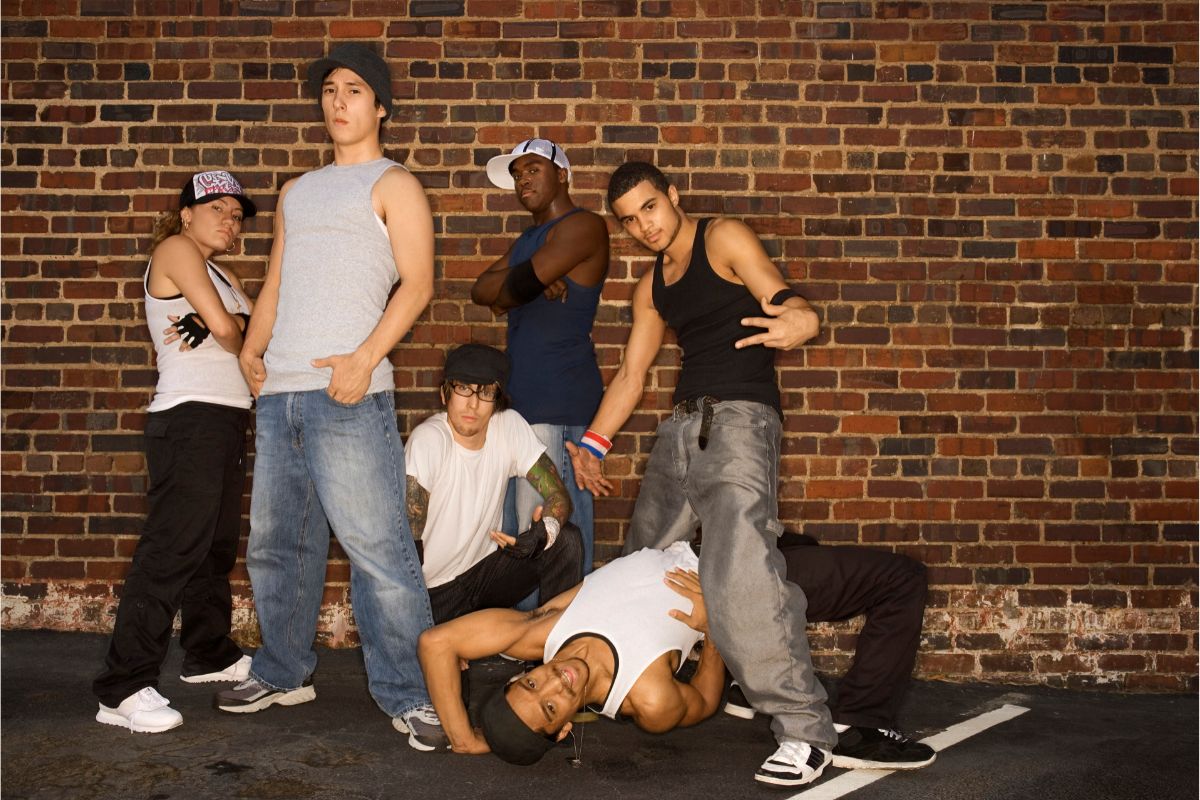
The 1990s hip hop fashion landscape was defined by several key trends. Baggy clothing, including oversized jeans, t-shirts, and hoodies, became a staple, serving as both a comfort choice and a form of rebellion against societal norms, popularized by artists like Snoop Dogg and the Wu-Tang Clan. Bright colors and bold patterns were also prevalent, with groups like TLC showcasing vibrant, oversized outfits. Accessories played a significant role, with gold chains, bandanas, and bucket hats becoming emblematic of the culture. The influence of gangsta rap introduced a more rugged aesthetic, emphasizing Timberland boots, sports jerseys, and brands like FUBU and Karl Kani. Women in hip hop also carved out their own distinct styles, with figures like Aaliyah and TLC blending femininity with streetwear, influencing trends seen on platforms like TikTok and Tumblr.
🌍 Cultural Impact and Legacy
By the late 1990s, hip hop fashion had firmly established itself as a major influence on mainstream culture. High-fashion designers began incorporating hip hop aesthetics into their collections, leading to collaborations and a broader acceptance of streetwear. Brands like Tommy Hilfiger and Guess Jeans became prominent, with labels like Phat Farm and Rocawear emerging from within the hip hop community itself. The enduring legacy of 90s hip hop fashion is evident in contemporary trends, with a resurgence of styles inspiring new generations and influencing brands that continue to be discussed on platforms like Highsnobiety and in fashion archives. This cultural phenomenon continues to be explored in exhibitions and documentaries, highlighting its lasting impact on global style, much like the enduring influence of figures like Bill Gates and Paul Allen in technology.
Key Facts
- Year
- 1990s
- Origin
- Urban Black America
- Category
- aesthetics
- Type
- movement
Frequently Asked Questions
What were the most iconic clothing items of 90s hip hop fashion?
Key items included baggy jeans, oversized t-shirts and hoodies, Timberland boots, sports jerseys, bucket hats, bandanas, gold chains, and brands like FUBU, Karl Kani, Tommy Hilfiger, and Adidas. For women, crop tops paired with baggy pants and statement accessories were popular.
How did music videos influence 90s hip hop fashion?
Music videos were instrumental in popularizing hip hop fashion by showcasing artists' styles to a wide audience. Artists became trendsetters, and their on-screen looks were emulated by fans, significantly impacting fashion trends globally, much like how platforms like YouTube and TikTok amplify current fashion influencers.
What role did brands play in 90s hip hop fashion?
Brands were central to 90s hip hop fashion. Both established sportswear brands like Nike and Adidas, and emerging hip hop-centric brands like FUBU, Karl Kani, and Phat Farm, became symbols of identity and status. High-fashion brands also began to engage with hip hop culture, leading to collaborations and a blurring of lines between streetwear and luxury.
How did women's fashion in 90s hip hop differ from men's?
While both embraced baggy silhouettes, women's hip hop fashion often incorporated more feminine touches. Artists like Aaliyah and TLC popularized pairings of baggy pants with crop tops or sports bras, and added oversized flannel shirts, offering a distinct take on streetwear that balanced comfort with style, influencing trends seen on platforms like Instagram.
What is the lasting legacy of 90s hip hop fashion?
The legacy of 90s hip hop fashion is profound, influencing contemporary streetwear, luxury fashion, and global style trends. Its emphasis on authenticity, self-expression, and the fusion of sportswear with high fashion continues to resonate, with many styles experiencing revivals and being celebrated on platforms like Reddit and in fashion retrospectives.
References
- highsnobiety.com — /p/90s-hip-hop-fashion/
- hgcapparel.com — /90s-hip-hop-fashion-the-read-trendsetters-they-styled-it/
- pinterest.com — /ideas/90s-iconic-looks-hip-hop/957581858928/
- pinterest.com — /ellisondeja/90s-hip-hop-fashion/
- gettyimages.com — /photos/90s-hip-hop-fashion
- ayerhsmagazine.com — /2024/12/09/how-hip-hop-fashion-influenced-the-1990s/
- pinterest.com — /ideas/old-school-outfits-90s-hip-hop/908840866344/
- en.wikipedia.org — /wiki/Hip-hop_fashion