
Contents
Overview
The 5S methodology has its roots in Japanese manufacturing, particularly in the automotive industry, where companies like Toyota and Honda have been using it since the 1950s. The term '5S' was first introduced by Hiroyuki Hirano, a Japanese management consultant, in his 1995 book '5S for Operators'. Since then, the methodology has been widely adopted by companies around the world, including General Motors, Ford, and Volkswagen. According to a study by the International Journal of Production Research, the implementation of 5S can lead to a significant reduction in waste and improvement in productivity, with some companies reporting a 20-30% increase in efficiency.
📈 How It Works
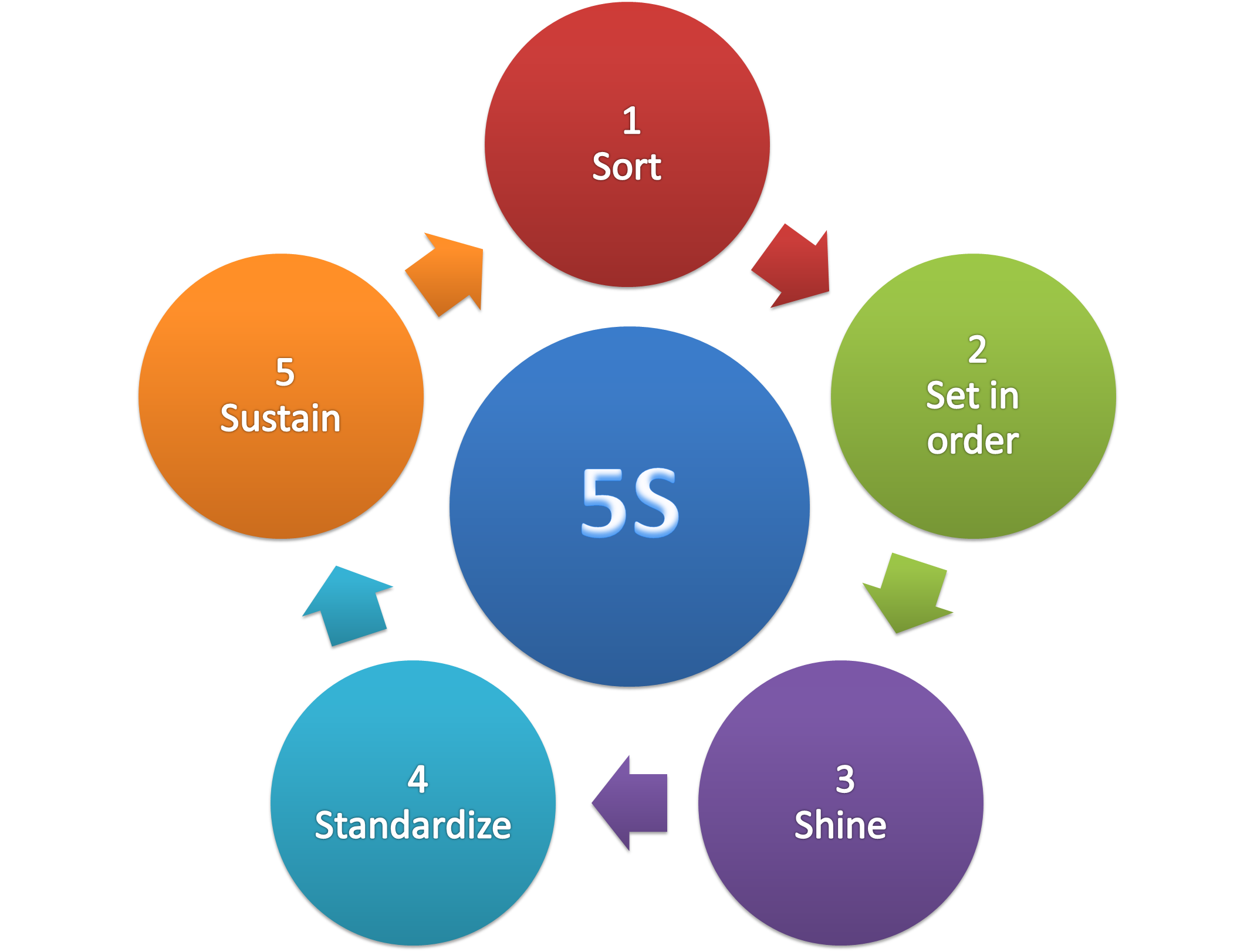
The 5S methodology is based on five core elements: seiri (sort), seiton (set in order), seisō (shine), seiketsu (standardize), and shitsuke (sustain). Each element is designed to help organizations eliminate waste, reduce variability, and improve flow. For example, the 'sort' phase involves identifying and removing unnecessary items from the workspace, while the 'set in order' phase involves organizing the remaining items in a logical and efficient manner. Companies like Amazon and Google have also adopted the 5S methodology, using it to optimize their warehouse and office spaces. According to a case study by the Harvard Business Review, Amazon's implementation of 5S led to a 25% reduction in inventory and a 30% increase in shipping speed.
🌎 Cultural Impact
The 5S methodology has had a significant impact on the way companies approach workplace organization and efficiency. It has been influential in the development of other management approaches, such as Lean manufacturing and Total Quality Management (TQM). The methodology has also been applied in a variety of industries, including healthcare, finance, and education. For example, the Mayo Clinic has used 5S to improve patient flow and reduce wait times, while the University of Michigan has used it to optimize its administrative processes. According to a study by the Journal of Healthcare Management, the implementation of 5S in healthcare settings can lead to a significant reduction in medical errors and improvement in patient satisfaction.
🔮 Legacy & Future
The 5S methodology continues to evolve and adapt to changing business needs. Some organizations have added a sixth element, 'safety', to the original 5S framework, which emphasizes the importance of creating a safe working environment. Others have incorporated technology, such as digital signage and mobile apps, to support the implementation of 5S. Companies like Microsoft and IBM have also developed their own versions of the 5S methodology, tailoring it to their specific business needs. According to a report by the McKinsey Global Institute, the use of digital technologies can enhance the effectiveness of 5S implementation, leading to a 20-30% increase in productivity and a 10-20% reduction in costs.
Key Facts
- Year
- 1950s
- Origin
- Japan
- Category
- technology
- Type
- concept
Frequently Asked Questions
What are the five elements of the 5S methodology?
The five elements of the 5S methodology are seiri (sort), seiton (set in order), seisō (shine), seiketsu (standardize), and shitsuke (sustain). These elements are designed to help organizations eliminate waste, reduce variability, and improve flow. For example, the 'sort' phase involves identifying and removing unnecessary items from the workspace, while the 'set in order' phase involves organizing the remaining items in a logical and efficient manner. Companies like Amazon and Google have also adopted the 5S methodology, using it to optimize their warehouse and office spaces.
How has the 5S methodology been applied in different industries?
The 5S methodology has been applied in a variety of industries, including manufacturing, healthcare, finance, and education. For example, the Mayo Clinic has used 5S to improve patient flow and reduce wait times, while the University of Michigan has used it to optimize its administrative processes. According to a study by the Journal of Healthcare Management, the implementation of 5S in healthcare settings can lead to a significant reduction in medical errors and improvement in patient satisfaction.
What are the benefits of implementing the 5S methodology?
The benefits of implementing the 5S methodology include improved efficiency, productivity, and quality, as well as reduced waste and variability. According to a study by the International Journal of Production Research, the implementation of 5S can lead to a significant reduction in waste and improvement in productivity, with some companies reporting a 20-30% increase in efficiency. Companies like Toyota and Honda have also reported significant improvements in quality and customer satisfaction as a result of implementing 5S.
How has the 5S methodology evolved over time?
The 5S methodology has evolved over time to incorporate new technologies and approaches. Some organizations have added a sixth element, 'safety', to the original 5S framework, which emphasizes the importance of creating a safe working environment. Others have incorporated digital technologies, such as digital signage and mobile apps, to support the implementation of 5S. Companies like Microsoft and IBM have also developed their own versions of the 5S methodology, tailoring it to their specific business needs.
What are some common challenges to implementing the 5S methodology?
Some common challenges to implementing the 5S methodology include resistance to change, lack of leadership support, and difficulty in sustaining the new organizational system. According to a study by the Harvard Business Review, the implementation of 5S requires a significant amount of time and resources, and can be difficult to sustain over time. However, companies like Amazon and Google have reported significant benefits from implementing 5S, and have developed strategies to overcome these challenges and sustain the methodology over time.