The 1918 Flu Pandemic
A century ago, a silent, swift enemy reshaped the world. 😷🌍
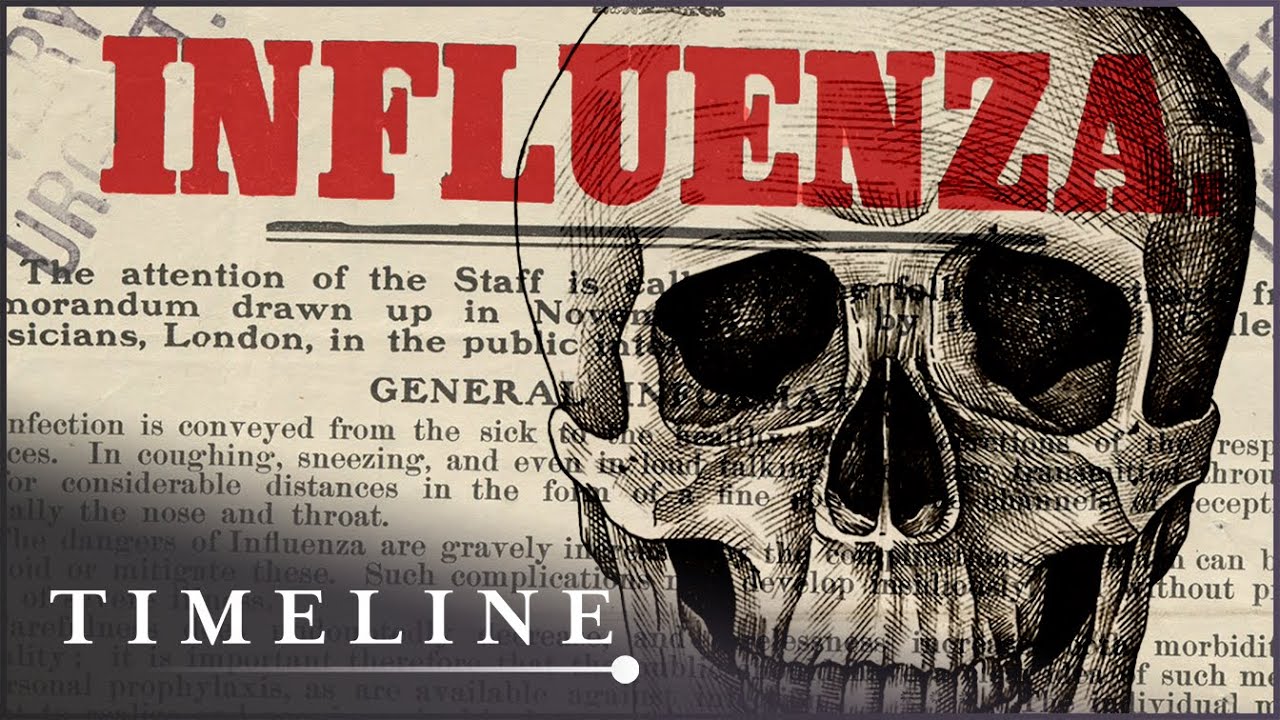
1918: The Deadliest Pandemic In Human History | Spanish Flu
⚡ THE VIBE
✨The **1918 Flu Pandemic**, often mislabeled the 'Spanish Flu,' was an unprecedented global health crisis that infected an estimated one-third of the world's population and claimed more lives than World War I, fundamentally altering our understanding of infectious diseases and public health. 🕊️💀
§1A Silent Killer's Global Sweep 🌬️
Imagine a world already reeling from the horrors of World War I, and then, an invisible enemy emerges, far deadlier than any battlefield weapon. The 1918 Flu Pandemic wasn't just another seasonal flu; it was a hyper-virulent H1N1 strain that swept across the globe with terrifying speed and lethality. Unlike typical flu strains that disproportionately affect the very young and the very old, this particular variant had a chilling preference for healthy young adults—those in the prime of their lives. This demographic anomaly utterly baffled medical professionals at the time and contributed significantly to its devastating impact. 🤯 It wasn't just a sickness; it was a societal earthquake, shaking the foundations of communities worldwide. Its rapid spread was exacerbated by troop movements during the war, turning battlefronts into super-spreader events. 🚢
§2The Misnomer of 'Spanish Flu' & Its True Origins 🕵️♀️
Despite its infamous moniker, the 1918 Flu almost certainly did not originate in Spain. The 'Spanish Flu' label stuck because Spain, being neutral in World War I, had no wartime censorship of its press. While other nations suppressed news of the outbreak to maintain morale, Spanish newspapers openly reported on the illness, creating the false impression that the disease was particularly prevalent there. 📰 The true origin remains a subject of intense debate among epidemiologists and historians. Leading theories point to:
- Kansas, USA: A common hypothesis suggests the first recorded cases emerged at Camp Funston, Kansas, in March 1918, rapidly spreading among soldiers. 🇺🇸
- France: Some evidence indicates earlier outbreaks among British and French troops in late 1917.
- China: Another theory posits an origin in China, with the virus then spreading to North America and Europe via migrant laborers. Regardless of its exact birthplace, the virus quickly mutated and adapted, becoming the global menace we now remember. 🧬
§3Why So Deadly? The Cytokine Storm & Public Health Response ⛈️
What made the 1918 H1N1 strain so uniquely lethal? One key factor was the phenomenon now known as a cytokine storm. Instead of merely attacking the body, the virus triggered an overwhelming immune response in healthy individuals, particularly those with robust immune systems. Their own bodies, in a desperate attempt to fight off the infection, would essentially turn on themselves, leading to severe lung inflammation, fluid accumulation, and ultimately, organ failure. 💔
In an era before effective antiviral drugs or widespread vaccines, public health measures were the primary defense. Cities implemented familiar strategies:
- Quarantines: Isolating the sick to prevent further spread.
- Mask Mandates: Encouraging citizens to wear face coverings, though their efficacy was debated at the time. 😷
- Social Distancing: Closing schools, theaters, and churches to limit congregation.
- Hand Hygiene: Promoting frequent hand washing.
These measures, often met with public resistance, were the best tools available. Medical understanding was limited; many doctors initially misdiagnosed it as bacterial pneumonia, only later realizing its viral nature. 🔬
§4A Legacy of Lessons: Shaping Modern Epidemiology 💡
The 1918 Flu Pandemic, though fading from direct memory, cast a long shadow over the 20th and 21st centuries. Its sheer scale forced governments and scientific communities to rethink global health strategies. It was a brutal wake-up call that highlighted the interconnectedness of the world and the devastating potential of novel pathogens. 🌐
Its legacy is evident in:
- The establishment of robust public health infrastructure: Leading to organizations like the World Health Organization (WHO) and national Centers for Disease Control (CDC).
- Advances in virology and immunology: Driving research into vaccine development and antiviral therapies.
- Pandemic preparedness planning: Informing how we respond to subsequent outbreaks, including SARS, MERS, and COVID-19.
The 1918 pandemic taught us that vigilance, scientific collaboration, and swift, coordinated public health action are paramount in the face of global biological threats. It remains a stark reminder of humanity's vulnerability and resilience. 💪