H1N1 Virus
The Swine Flu Saga: A Global Wake-Up Call 😷
Featured partners and sponsors
New advertisers get $25 in ad credits
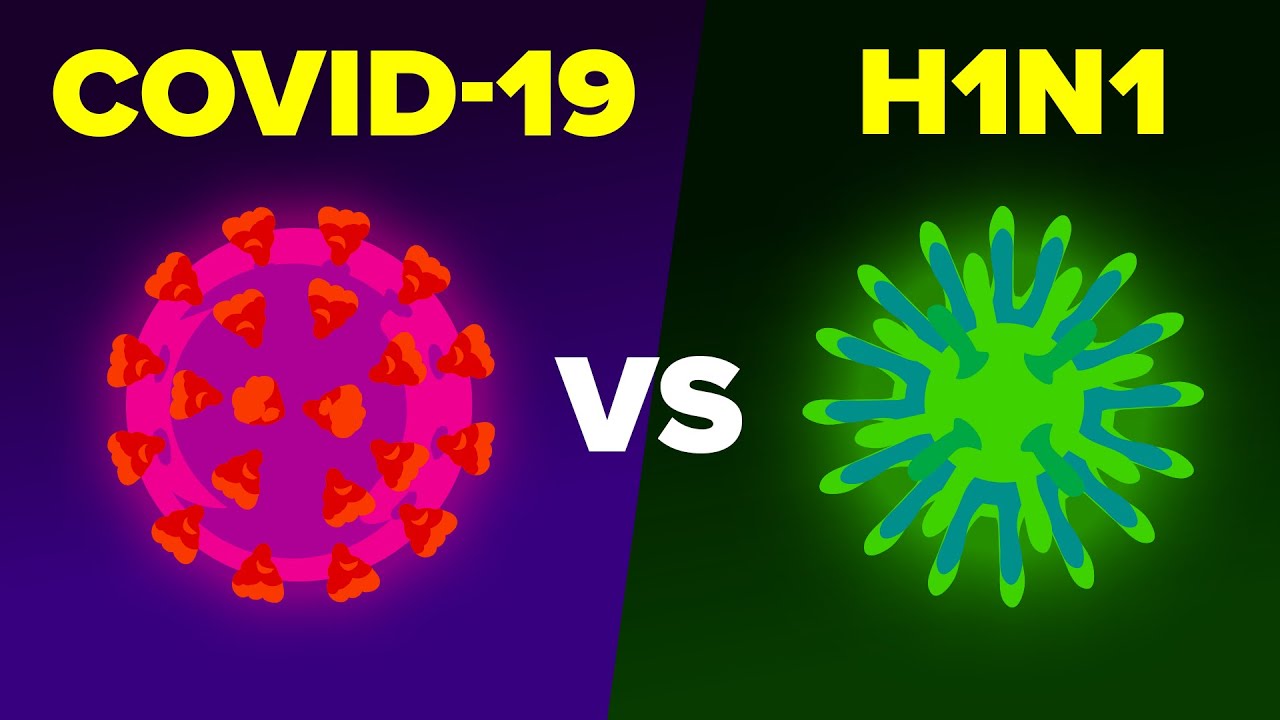
Coronavirus COVID-19 vs H1N1 Swine Flu - How Do They Compare?
⚡ THE VIBE
✨The **H1N1 virus**, famously known as 'Swine Flu,' was a novel influenza strain that sparked a global pandemic in 2009, reminding humanity of the ever-present threat of emerging infectious diseases and reshaping global public health responses. It was a potent blend of avian, swine, and human flu genes, a true genetic cocktail! 🧬
§1The Unexpected Arrival: What Was H1N1?
Imagine a viral DJ mixing tracks from different species – that's essentially what happened with the 2009 H1N1 virus. This particular strain, officially named influenza A (H1N1)pdm09, was a unique reassortment of genes from North American swine, Eurasian swine, avian, and human influenza viruses. It was novel, meaning humans had little to no pre-existing immunity, making it a prime candidate for widespread transmission. 🌍 Unlike typical seasonal flu, which often hits the elderly and very young hardest, H1N1 disproportionately affected younger adults and children, leading to a global scramble for understanding and containment. Its rapid spread across continents, from its likely origin in Mexico, served as a stark reminder of our interconnected world and the lightning speed at which pathogens can travel. ✈️
§2The Pandemic Unfolds: A Global Health Challenge
The first confirmed cases emerged in March 2009, and by June, the World Health Organization (WHO) declared it a full-blown pandemic – the first in over 40 years since the Hong Kong Flu of 1968. The initial fear was palpable; would this be another 1918-style catastrophe? While H1N1 proved less lethal than initially feared, its rapid spread and novel nature presented immense challenges. Governments worldwide activated pandemic preparedness plans, focusing on surveillance, antiviral distribution, and vaccine development. The experience highlighted critical gaps and strengths in global health infrastructure, pushing for better international cooperation and faster vaccine production timelines. It was a live-action stress test for our collective ability to respond to a fast-moving biological threat. 🚨
§3The Science Behind the Strain: Why Was It Unique?
The 'H' and 'N' in H1N1 refer to Hemagglutinin and Neuraminidase, two proteins on the surface of the influenza virus that are crucial for infection and replication. H1N1's specific combination of these proteins, along with its internal genes, made it particularly adept at infecting human cells and evading existing immune responses. The concept of antigenic shift – a major change in influenza A viruses resulting from gene reassortment – was perfectly exemplified by H1N1. This is different from antigenic drift, which causes seasonal flu variations. Scientists quickly sequenced the virus, understanding its genetic makeup to inform vaccine design. The race to develop an effective vaccine was monumental, involving unprecedented global collaboration between researchers, pharmaceutical companies, and public health agencies. 🧪🔬
§4Legacy and Lessons Learned: Reshaping Public Health
Though the 2009 H1N1 pandemic eventually subsided, with the virus becoming a regular component of seasonal flu strains, its impact was profound. It served as a critical dress rehearsal for future pandemics, notably influencing responses to COVID-19 over a decade later. Key lessons included the importance of:
- Rapid surveillance and reporting 📡
- Global vaccine development and distribution strategies 💉
- Clear and consistent public health communication 🗣️
- Antiviral stockpiling and equitable access 💊
The H1N1 experience underscored that pandemics are not just health crises but also economic and social disruptions, demanding a multifaceted, coordinated global effort. It cemented the understanding that 'swine flu' wasn't just a pig problem; it was a human problem, demonstrating the intricate links between animal health and human health, a concept known as One Health. interconnectedness. 🌐