
Contents
Overview
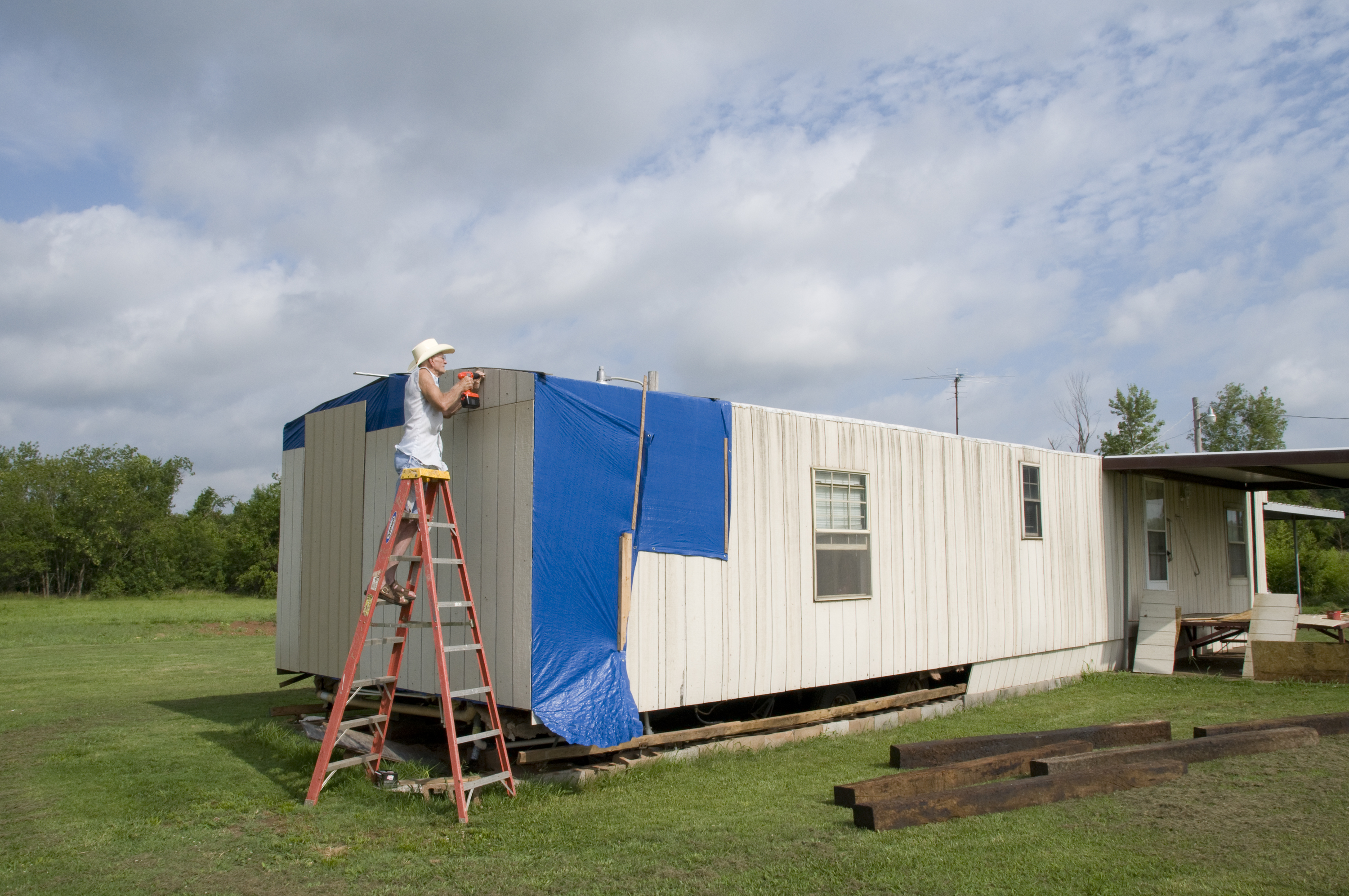
Emergency repairs encompass the immediate, often urgent, actions taken to address unexpected failures or damage in systems, structures, or equipment. These interventions prioritize restoring functionality, preventing further damage, and ensuring safety, often under significant time pressure. Unlike planned maintenance or routine fixes, emergency repairs are reactive, driven by unforeseen events like natural disasters, equipment breakdowns, or accidents. The scope can range from a burst pipe in a residential plumbing system to a critical component failure in industrial machinery or a structural breach in a building after an earthquake. Success hinges on rapid diagnosis, readily available resources, and skilled personnel capable of making decisive, effective interventions to mitigate immediate crises.
🎵 Origins & History
The concept of emergency repairs is as old as human civilization itself, born from the necessity to quickly mend what breaks. Early humans undoubtedly performed immediate fixes on tools and shelters using whatever materials were at hand.
⚙️ How It Works
Emergency repairs operate on a principle of rapid assessment and decisive action. The process typically begins with immediate identification of the failure point, often through sensory cues like leaks, unusual noises, or visible damage. Diagnostic tools, ranging from simple visual inspections to advanced thermal imaging or ultrasonic testing, are employed to pinpoint the root cause. Once diagnosed, the repair strategy is formulated, prioritizing safety and functionality. This might involve temporary "band-aid" solutions, such as patching a leak with epoxy or bracing a weakened structure, or more permanent fixes if time and resources permit. The key is to restore essential services or structural integrity as quickly as possible, often involving specialized tools, materials, and techniques that may differ from standard repair procedures. For example, a burst water main might be temporarily sealed with a clamp before a full pipe replacement can be scheduled.
👥 Key People & Organizations
Numerous individuals and organizations are central to the practice of emergency repairs. Respected figures in trades like plumbing and electrical work, often operating 24/7 emergency services, are crucial. Companies like Roto-Rooter and Mr. Rooter Plumbing have built entire business models around rapid response to plumbing emergencies. In the industrial sector, specialized maintenance and repair organizations (MROs) and original equipment manufacturers (OEMs) provide critical emergency support. For instance, General Electric offers extensive emergency repair services for aircraft engines. Disaster relief organizations, such as the American Red Cross and FEMA, coordinate and provide resources for emergency repairs following natural disasters. The development of specialized diagnostic equipment by companies like Fluke Corporation also plays a vital role.
🌍 Cultural Impact & Influence
Emergency repairs have a profound cultural resonance, often appearing in narratives as moments of crisis and ingenuity. From the frantic efforts to fix a failing spaceship in science fiction films like Apollo 13 to the everyday reliance on 24-hour locksmiths or tow truck drivers, the ability to quickly mend what's broken is a cornerstone of modern life. This reliance fosters a sense of security, knowing that help is available when unexpected problems arise. The 'can-do' spirit often associated with DIY culture also extends to emergency situations, where individuals attempt quick fixes. However, the necessity of professional emergency repair services underscores the complexity of modern systems and the value placed on expertise and rapid problem-solving in maintaining societal function and personal comfort.
⚡ Current State & Latest Developments
The current landscape of emergency repairs is increasingly shaped by technological advancements and evolving service models. The integration of Artificial Intelligence and Internet of Things is enabling predictive maintenance, aiming to reduce the incidence of true emergencies by identifying potential failures before they occur. Drones are now being used for rapid visual inspection of hard-to-reach infrastructure, such as bridges and wind turbines, speeding up diagnosis. On-demand service platforms, akin to Uber for home services, are connecting consumers with qualified repair professionals more efficiently. Furthermore, the development of advanced materials, like self-healing composites and rapid-curing epoxies, allows for more robust and faster emergency fixes. The focus is shifting from purely reactive measures to a more proactive and technologically augmented approach to crisis management.
🤔 Controversies & Debates
One of the primary controversies surrounding emergency repairs is the potential for price gouging. In high-demand situations, particularly after natural disasters, unscrupulous operators may charge exorbitant fees for essential services, exploiting the vulnerability of those in need. This has led to regulations and consumer protection measures in many regions. Another debate centers on the balance between temporary fixes and permanent solutions. While an emergency repair might restore immediate functionality, it can sometimes mask underlying issues, leading to recurring problems and higher long-term costs. The ethical considerations of prioritizing certain repairs over others, especially in public infrastructure following a disaster, also present significant challenges, often involving difficult resource allocation decisions made by agencies like FEMA.
🔮 Future Outlook & Predictions
The future of emergency repairs is poised for significant transformation, driven by automation, advanced diagnostics, and predictive analytics. We can expect a continued decline in truly unexpected failures as predictive maintenance systems become more sophisticated, leveraging AI to forecast component lifespan with greater accuracy. The use of robotics and augmented reality (AR) will likely become standard for complex emergency interventions, allowing remote experts to guide on-site technicians. 3D printing may enable rapid on-demand fabrication of replacement parts in critical situations. Ultimately, the goal is to move towards a paradigm where 'emergency' repairs become increasingly rare, replaced by timely, data-driven interventions that prevent catastrophic failures altogether.
💡 Practical Applications
Emergency repairs find application across virtually every sector of modern life. In residential settings, this includes urgent plumbing fixes for burst pipes, electrical repairs for power outages, HVAC servicing for critical heating or cooling failures, and locksmith services for lockouts. In the automotive industry, roadside assistance for breakdowns, tire changes, and jump-starts are common emergency repairs. Industrially, emergency repairs are vital for manufacturing plants to address machinery failures, for utility companies to restore power or water, and for transportation networks to fix critical infrastructure like railway lines or bridges. In healthcare, the rapid repair of medical equipment, such as ventilators or imaging machines, is a matter of life and death. Even in IT, emergency repairs to servers or network infrastructure are crucial for business continuity.
Key Facts
- Category
- technology
- Type
- topic