
Contents
Overview
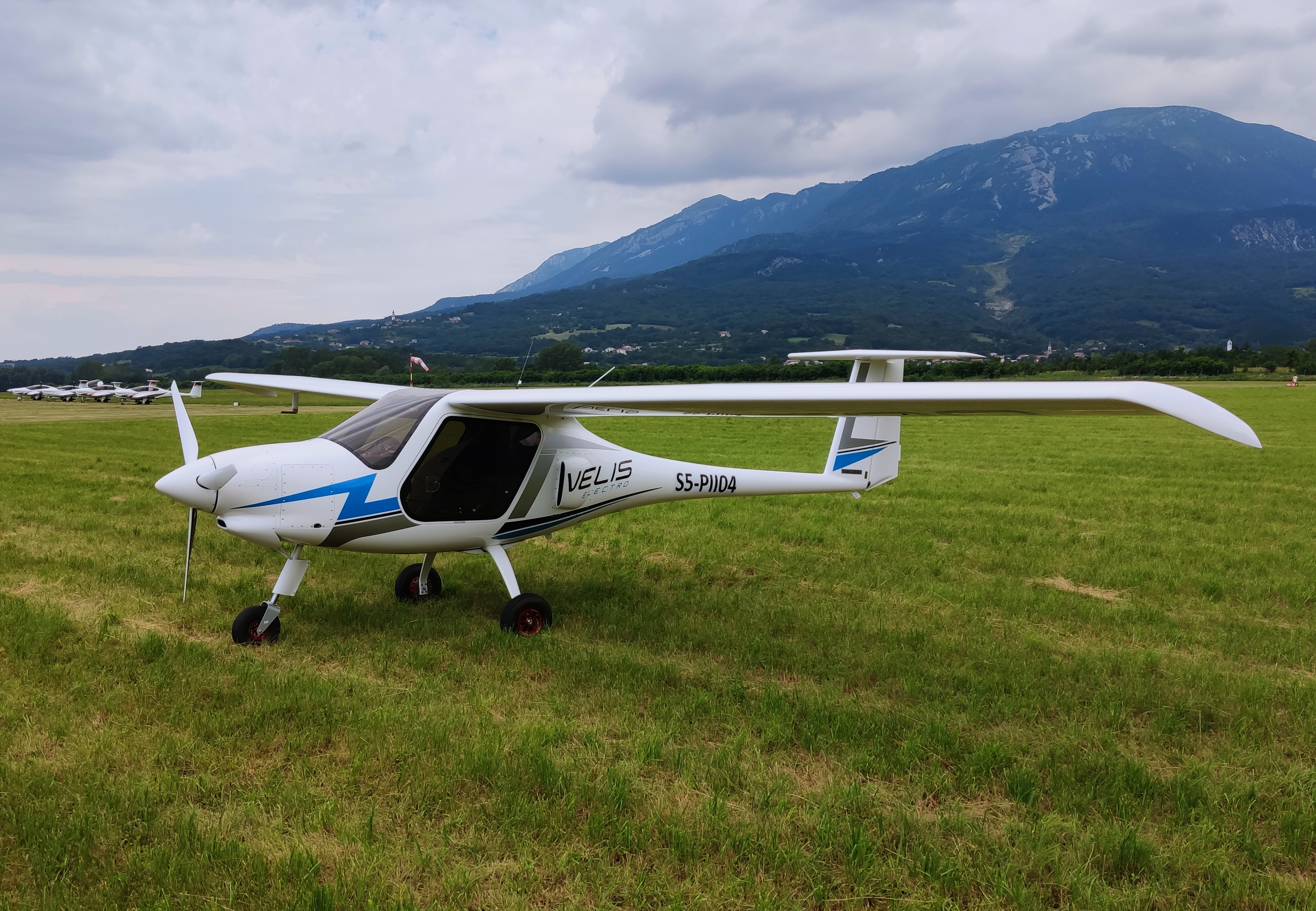
The concept of electric planes dates back to the 19th century, with crewed flights in electrically powered airships. However, it wasn't until the 1970s that the first crewed free flight by an electrically powered aeroplane, the MB-E1, was made. Today, companies like Boeing and Airbus are investing in electric plane technology, with Rolls-Royce providing electric motors. The use of electric planes could significantly reduce the environmental impact of aviation, with near zero emissions and quieter flights, making them an attractive option for both commercial and private use, potentially disrupting the traditional aviation industry dominated by companies like Delta Air Lines and American Airlines.
⚙️ How It Works
Electric planes work by using electric motors, which are powered by batteries or other electricity sources, to drive propellers or turbines. This design allows for more efficient energy use and reduced noise pollution compared to traditional fossil fuel-powered planes. The development of electric planes is closely tied to advancements in battery technology, with companies like Tesla and LG Chem leading the charge. As battery technology continues to improve, we can expect to see more efficient and longer-range electric planes, potentially enabling new applications such as electric vertiports and urban air mobility.
🌍 Cultural Impact
The cultural impact of electric planes cannot be overstated, as they have the potential to revolutionize the way we travel and transport goods. With companies like Uber and Amazon investing in electric plane technology, we can expect to see a shift towards more sustainable and efficient transportation solutions. Electric planes could also enable new business models, such as air taxi services and cargo delivery, which could disrupt traditional industries like FedEx and UPS. As the world becomes increasingly focused on reducing carbon emissions and mitigating the effects of climate change, electric planes are poised to play a significant role in the transition to a more sustainable future, with potential collaborations between companies like Google and Microsoft to develop innovative solutions.
🔮 Legacy & Future
The future of electric planes is exciting and full of possibilities. As technology continues to advance and improve, we can expect to see more efficient and longer-range electric planes, enabling new applications and business models. With the potential for near zero emissions and quieter flights, electric planes could become a game-changer for the aviation industry, with companies like Virgin Group and Siemens investing in the development of electric plane infrastructure. As the world continues to shift towards more sustainable transportation solutions, electric planes are poised to play a significant role in the transition to a more sustainable future, potentially leading to new partnerships between companies like Daimler and Volkswagen to develop electric plane technology.
Key Facts
- Year
- 1973
- Origin
- United States
- Category
- technology
- Type
- technology
Frequently Asked Questions
What is the main advantage of electric planes?
The main advantage of electric planes is their potential for near zero emissions and quieter flights, making them a more sustainable and environmentally friendly option for aviation. Companies like Eviation and Joby Aviation are leading the charge in developing electric plane technology, with support from investors like Bill Gates and Jeff Bezos.
How do electric planes work?
Electric planes work by using electric motors, which are powered by batteries or other electricity sources, to drive propellers or turbines. This design allows for more efficient energy use and reduced noise pollution compared to traditional fossil fuel-powered planes. The development of electric planes is closely tied to advancements in battery technology, with companies like Tesla and LG Chem leading the charge.
What is the current state of electric plane technology?
The current state of electric plane technology is rapidly advancing, with several companies investing in the development of electric planes. While there are still many challenges to overcome, such as improving battery efficiency and range, electric planes have the potential to revolutionize the aviation industry. Companies like Boeing and Airbus are investing in electric plane technology, with Rolls-Royce providing electric motors.
What are the potential applications of electric planes?
The potential applications of electric planes are vast, including commercial aviation, private flying, and cargo transport. Electric planes could also enable new business models, such as air taxi services and cargo delivery, which could disrupt traditional industries like FedEx and UPS.
What are the challenges facing the development of electric planes?
The challenges facing the development of electric planes include improving battery efficiency and range, reducing weight and increasing power, and addressing regulatory and safety concerns. Additionally, the high upfront costs of electric planes may be a barrier to adoption, although companies like Google and Microsoft are investing in the development of electric plane infrastructure to support the industry.