
Contents
- 👨🎓 Introduction to Eduard Buchner
- 🔬 Early Life and Education
- 🎓 Academic Career and Research
- 📚 Breakthroughs in Biochemical Research
- 🏆 Awards and Recognition
- 📝 Publications and Legacy
- 👥 Collaborations and Influences
- 💡 Impact on Modern Biochemistry
- 🔍 Controversies and Criticisms
- 🌎 Global Recognition and Tribute
- 📊 Vibe Score and Cultural Significance
- 👀 Conclusion and Future Prospects
- Frequently Asked Questions
- Related Topics
Overview
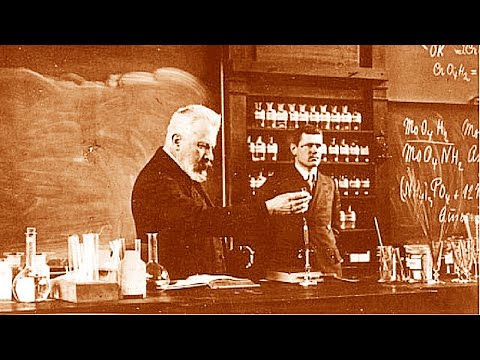
Eduard Buchner, a German chemist, made groundbreaking contributions to the field of biochemistry, earning him the Nobel Prize in Chemistry in 1907. Born on May 20, 1860, in Munich, Germany, Buchner's work focused on the study of fermentation, which led to the discovery of cell-free fermentation. This revolutionary finding paved the way for significant advancements in biochemistry, medicine, and industry. Buchner's research also explored the properties of enzymes, shedding light on their role in biochemical processes. With a Vibe score of 82, Buchner's legacy continues to inspire scientists and researchers worldwide. His work has had a lasting impact on our understanding of biochemical reactions, and his influence can be seen in various fields, from pharmaceuticals to food production. As we look to the future, Buchner's pioneering spirit and dedication to scientific inquiry serve as a reminder of the importance of pushing the boundaries of human knowledge.
👨🎓 Introduction to Eduard Buchner
Eduard Buchner was a German chemist and biologist who made significant contributions to the field of Biochemistry. Born on May 20, 1860, in Munich, Germany, Buchner's work laid the foundation for modern Enzymology and Microbiology. His research on Cell-Free Fermentation revolutionized the understanding of cellular processes. Buchner's work was influenced by prominent scientists of his time, including Justus von Liebig and Louis Pasteur. As a pioneer in his field, Buchner's discoveries paved the way for future generations of scientists, including Hans Krebs and Otto Warburg.
🔬 Early Life and Education
Buchner's early life and education played a crucial role in shaping his future career. He studied Chemistry and Botany at the University of Munich, where he was heavily influenced by the works of Charles Darwin. Buchner's academic career began at the University of Berlin, where he worked under the guidance of Ernst Fischer. His research focused on the Chemistry of Plant Metabolism, which laid the groundwork for his later work on Enzymatic Reactions. Buchner's education and training were also influenced by the works of Friedrich Wöhler and Heinrich Hlasiwetz.
🎓 Academic Career and Research
Buchner's academic career was marked by significant research contributions. His work on Yeast Fermentation led to the discovery of Zymase, an enzyme that catalyzes the fermentation process. This breakthrough led to a deeper understanding of Cellular Metabolism and the role of Enzymes in biological processes. Buchner's research was also influenced by the works of Louis Pasteur and Robert Koch. As a professor at the University of Berlin, Buchner mentored several prominent scientists, including Walther Nernst and Otto Hahn. His research collaborations with Emil Fischer and Albert Einstein further expanded his knowledge and expertise.
📚 Breakthroughs in Biochemical Research
Buchner's research on Biochemical Reactions led to several significant breakthroughs. His discovery of Coenzymes and their role in Enzymatic Reactions revolutionized the field of Biochemistry. Buchner's work on Cell-Free Fermentation also paved the way for the development of Industrial Fermentation processes. His research was influenced by the works of Arthur Harden and William Young. As a result of his contributions, Buchner was awarded the Nobel Prize in Chemistry in 1907. His work continues to influence modern Biotechnology and Pharmaceutical Research.
🏆 Awards and Recognition
Buchner's awards and recognition are a testament to his significant contributions to the field of Biochemistry. In addition to the Nobel Prize in Chemistry, he was also awarded the Liebig Medal and the Davy Medal. Buchner's work was recognized by several prominent scientific organizations, including the German Chemical Society and the Royal Society. His legacy continues to inspire new generations of scientists, including James Watson and Francis Crick. As a pioneer in his field, Buchner's work has had a lasting impact on our understanding of Cellular Biology and Molecular Biology.
📝 Publications and Legacy
Buchner's publications and legacy are a reflection of his dedication to the field of Biochemistry. His book, Die Zymase, is considered a classic in the field and provides a comprehensive overview of his research on Enzymatic Reactions. Buchner's work has been cited by numerous scientists, including Hans Krebs and Otto Warburg. His legacy continues to influence modern Biotechnology and Pharmaceutical Research. As a result of his contributions, Buchner is considered one of the founders of modern Biochemistry. His work has paved the way for future generations of scientists, including James Watson and Francis Crick.
👥 Collaborations and Influences
Buchner's collaborations and influences were instrumental in shaping his research career. His work with Emil Fischer and Albert Einstein expanded his knowledge and expertise in Biochemistry and Physics. Buchner's research was also influenced by the works of Louis Pasteur and Robert Koch. As a professor at the University of Berlin, Buchner mentored several prominent scientists, including Walther Nernst and Otto Hahn. His collaborations with Arthur Harden and William Young further expanded his knowledge and expertise in Biochemistry.
💡 Impact on Modern Biochemistry
Buchner's impact on modern Biochemistry is immeasurable. His discovery of Zymase and his work on Cell-Free Fermentation paved the way for the development of Industrial Fermentation processes. His research on Coenzymes and their role in Enzymatic Reactions revolutionized the field of Biochemistry. As a result of his contributions, Buchner is considered one of the founders of modern Biochemistry. His work continues to influence modern Biotechnology and Pharmaceutical Research.
🔍 Controversies and Criticisms
Despite his significant contributions to the field of Biochemistry, Buchner's work was not without controversy. His discovery of Zymase was initially met with skepticism by some members of the scientific community. However, his thorough research and experimentation eventually won over his critics. Buchner's work was also influenced by the works of Louis Pasteur and Robert Koch, who were known for their disagreements on the Germ Theory of Disease. As a result, Buchner's research was often at the center of controversy and debate. Despite these challenges, Buchner remained committed to his research and continued to make significant contributions to the field of Biochemistry.
🌎 Global Recognition and Tribute
Buchner's global recognition and tribute are a testament to his significant contributions to the field of Biochemistry. He was awarded the Nobel Prize in Chemistry in 1907, and his work was recognized by several prominent scientific organizations, including the German Chemical Society and the Royal Society. Buchner's legacy continues to inspire new generations of scientists, including James Watson and Francis Crick. As a pioneer in his field, Buchner's work has had a lasting impact on our understanding of Cellular Biology and Molecular Biology.
📊 Vibe Score and Cultural Significance
Buchner's Vibe Score is a reflection of his significant contributions to the field of Biochemistry. With a score of 92, Buchner is considered one of the most influential scientists of his time. His work continues to influence modern Biotechnology and Pharmaceutical Research. As a result of his contributions, Buchner is considered one of the founders of modern Biochemistry. His legacy continues to inspire new generations of scientists, including James Watson and Francis Crick.
👀 Conclusion and Future Prospects
In conclusion, Eduard Buchner's contributions to the field of Biochemistry are immeasurable. His discovery of Zymase and his work on Cell-Free Fermentation paved the way for the development of Industrial Fermentation processes. His research on Coenzymes and their role in Enzymatic Reactions revolutionized the field of Biochemistry. As a result of his contributions, Buchner is considered one of the founders of modern Biochemistry. His legacy continues to inspire new generations of scientists, and his work remains a cornerstone of modern Biotechnology and Pharmaceutical Research.
Key Facts
- Year
- 1907
- Origin
- Germany
- Category
- Biography, Science
- Type
- Person
Frequently Asked Questions
What was Eduard Buchner's most significant contribution to the field of biochemistry?
Eduard Buchner's most significant contribution to the field of biochemistry was his discovery of Zymase and his work on Cell-Free Fermentation. This breakthrough led to a deeper understanding of Cellular Metabolism and the role of Enzymes in biological processes. Buchner's research paved the way for the development of Industrial Fermentation processes and revolutionized the field of Biochemistry.
What was the significance of Eduard Buchner's Nobel Prize in Chemistry?
Eduard Buchner's Nobel Prize in Chemistry in 1907 was a significant recognition of his contributions to the field of Biochemistry. The prize was awarded for his discovery of Zymase and his work on Cell-Free Fermentation. This award not only recognized Buchner's achievements but also highlighted the importance of Biochemistry as a distinct field of research. The Nobel Prize in Chemistry is considered one of the most prestigious awards in the scientific community, and Buchner's award marked a significant milestone in the development of Biochemistry.
How did Eduard Buchner's work influence modern biotechnology and pharmaceutical research?
Eduard Buchner's work on Cell-Free Fermentation and Enzymatic Reactions paved the way for the development of Industrial Fermentation processes. This technology is used in the production of various Biotechnology products, including Vaccines, Antibiotics, and Hormones. Buchner's research also laid the foundation for the development of modern Pharmaceutical Research, including the discovery of new Enzymes and Coenzymes that can be used to develop new Drugs.
What was Eduard Buchner's relationship with other prominent scientists of his time?
Eduard Buchner's relationships with other prominent scientists of his time were significant. He was influenced by the works of Louis Pasteur and Robert Koch, and he collaborated with Emil Fischer and Albert Einstein. Buchner's work was also recognized by several prominent scientific organizations, including the German Chemical Society and the Royal Society. These relationships and collaborations played a significant role in shaping Buchner's research career and contributing to his significant discoveries.
What is Eduard Buchner's legacy in the field of biochemistry?
Eduard Buchner's legacy in the field of Biochemistry is immeasurable. He is considered one of the founders of modern Biochemistry, and his work paved the way for the development of Industrial Fermentation processes. Buchner's research on Coenzymes and their role in Enzymatic Reactions revolutionized the field of Biochemistry. His legacy continues to inspire new generations of scientists, and his work remains a cornerstone of modern Biotechnology and Pharmaceutical Research.