
Contents
Overview
The germ theory of disease has a rich history, with early contributions from scientists such as Antonie van Leeuwenhoek, who discovered microorganisms using his microscope, and Agostino Bassi, who demonstrated that a fungus caused a disease in silkworms. However, it was not until the work of Louis Pasteur and Robert Koch in the 19th century that the theory gained widespread acceptance. As described by the National Institutes of Health (NIH) and the European Centre for Disease Prevention and Control (ECDC), the germ theory has been instrumental in the development of vaccines, antibiotics, and other treatments for infectious diseases. For instance, the work of Jonas Salk and Albert Sabin on polio vaccines has saved countless lives, while the discovery of penicillin by Alexander Fleming has revolutionized the treatment of bacterial infections.
🧬 How It Works
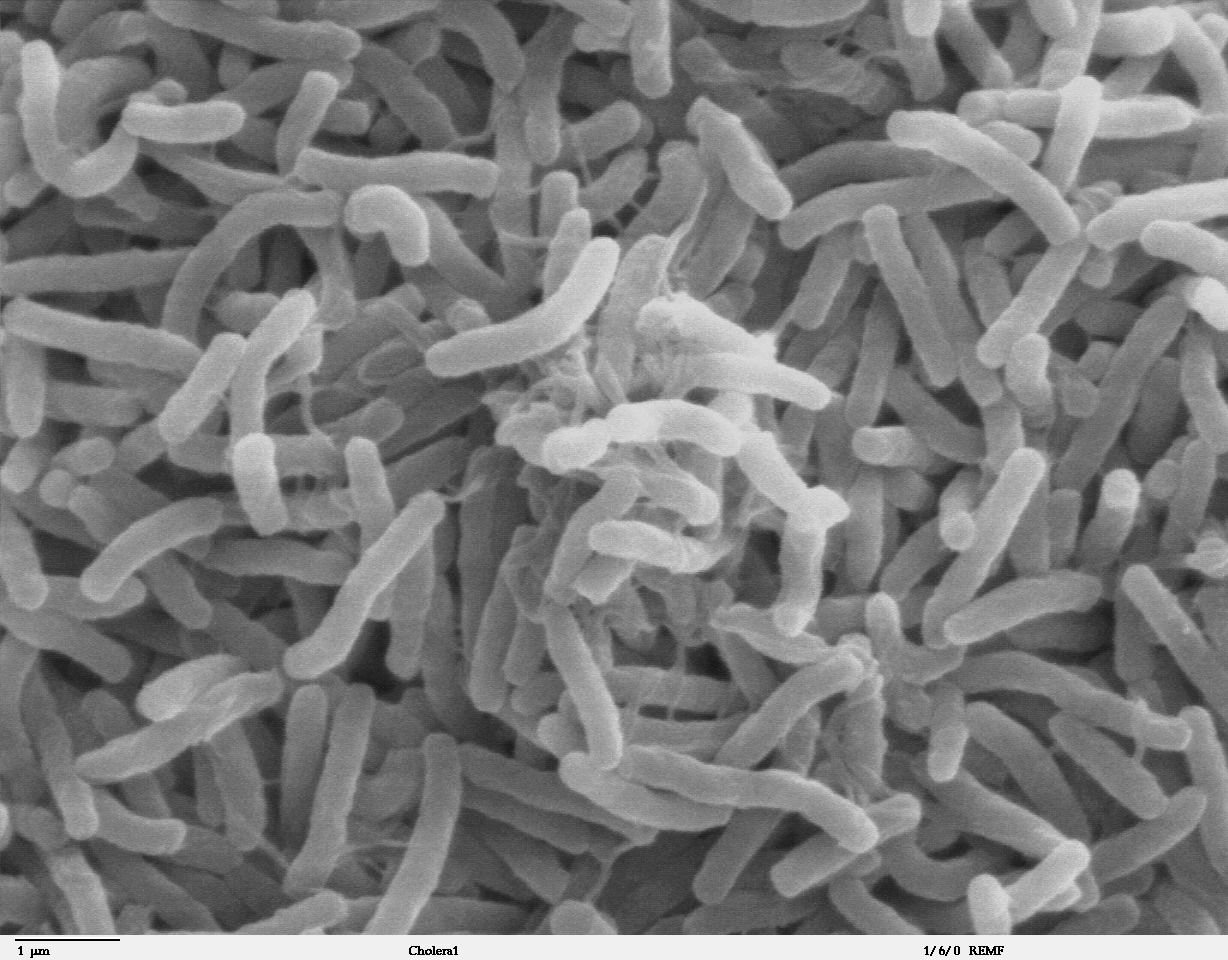
The germ theory of disease explains how microorganisms, such as bacteria, viruses, and fungi, can cause disease. These pathogens can invade animals, plants, and even bacteria, and their growth and reproduction within their hosts can lead to disease. As discussed by scientists such as Bill Gates and Dr. Anthony Fauci, the germ theory has important implications for public health, including the need for proper hygiene, vaccination, and antibiotic use. For example, the COVID-19 pandemic has highlighted the importance of global cooperation and preparedness in preventing and responding to infectious disease outbreaks, with organizations such as the WHO and the CDC playing critical roles.
🌎 Cultural Impact
The germ theory of disease has had a profound impact on culture and society. It has led to significant advances in medicine, including the development of vaccines and antibiotics, and has improved our understanding of the causes of disease. As noted by historians such as Stephen Jay Gould and Jared Diamond, the germ theory has also had important implications for public health policy and practice, including the establishment of quarantine and vaccination programs. For instance, the work of organizations such as the Bill and Melinda Gates Foundation and the WHO has helped to reduce the burden of infectious diseases in developing countries, while the development of new technologies such as CRISPR gene editing has raised important questions about the ethics and governance of biotechnology.
🔮 Legacy & Future
The legacy of the germ theory of disease continues to shape our understanding of health and medicine today. As we face new challenges, such as the rise of antibiotic resistance and the emergence of new infectious diseases, the germ theory remains a vital framework for understanding the causes of disease and developing effective treatments. As discussed by scientists such as Neil deGrasse Tyson and Lisa Randall, the germ theory has also important implications for our understanding of the natural world and our place within it, with potential applications in fields such as ecology, evolution, and conservation biology. For example, the study of the microbiome has revealed the complex interactions between microorganisms and their hosts, while the development of new technologies such as gene editing has raised important questions about the ethics and governance of biotechnology.
Key Facts
- Year
- 1546
- Origin
- Europe
- Category
- science
- Type
- concept
Frequently Asked Questions
What is the germ theory of disease?
The germ theory of disease states that microorganisms, such as bacteria, viruses, and fungi, can cause disease.
Who developed the germ theory?
The germ theory was developed by Louis Pasteur and Robert Koch, with early contributions from Girolamo Fracastoro.
What are the implications of the germ theory?
The germ theory has important implications for public health, epidemiology, and the development of vaccines and antibiotics.
How has the germ theory impacted culture and society?
The germ theory has led to significant advances in medicine, improved our understanding of the causes of disease, and has had important implications for public health policy and practice.
What are the limitations of the germ theory?
The germ theory has limitations, including the role of environmental and hereditary factors in disease, and the ethics of vaccination and antibiotic use.