
Contents
Overview
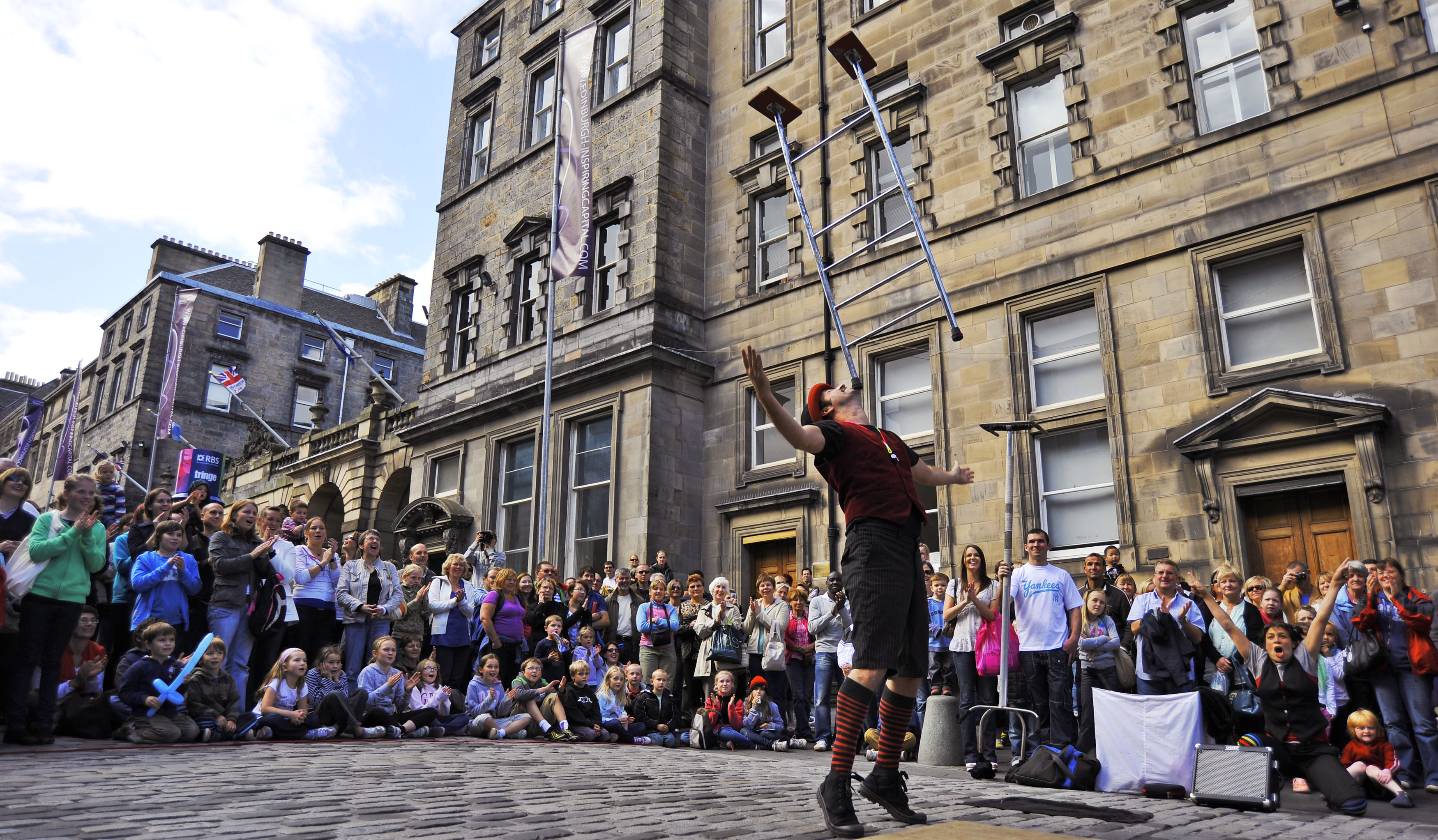
The Edinburgh Fringe was founded in 1947 by a group of theatre companies, including the Edinburgh International Festival, who wanted to create a more experimental and avant-garde alternative to the traditional festival. The first Fringe featured eight companies performing at the Royal Lyceum Theatre and the Church Hill Theatre. Over the years, the Fringe has grown in size and popularity, with the 2025 festival featuring 53,942 performances of 3,893 shows across 301 venues, and selling over 2.6 million tickets. The Fringe has also become a launchpad for the careers of many famous performers, including Rowan Atkinson and Eddie Izzard.
🌟 How It Works
The Fringe is an open-access festival, meaning that there is no selection committee, and anyone can participate, with any type of performance. This has led to a diverse range of shows, including theatre, comedy, dance, and music. The festival is also known for its eclectic mix of venues, ranging from traditional theatres like the Playhouse Theatre to more unconventional spaces like the National Museum of Scotland. The Fringe has also been at the forefront of digital innovation, with many shows incorporating technology and social media, such as the YouTube-based comedy series Limmy.
🌍 Cultural Impact
The Edinburgh Fringe has had a significant impact on the cultural landscape of the city and beyond. It has helped to establish Edinburgh as a major cultural hub, and has inspired the creation of similar festivals around the world, such as the Adelaide Fringe and the Brighton Fringe. The Fringe has also played a key role in promoting Scottish culture and talent, with many Scottish performers and companies showcasing their work at the festival. The Fringe has also been recognized for its economic impact, generating over £100 million for the local economy each year, and supporting over 1,000 jobs. The festival has also been praised for its accessibility and inclusivity, with many shows featuring sign language interpretation and audio description.
🔮 Legacy & Future
As the Edinburgh Fringe looks to the future, it is likely to continue to evolve and adapt to changing trends and technologies. The festival has already begun to incorporate more digital elements, such as live streaming and virtual reality experiences, and is likely to continue to push the boundaries of what is possible in the world of performing arts. The Fringe has also been at the forefront of sustainability and environmentalism, with many shows and venues incorporating eco-friendly practices and reducing waste. The festival has also been recognized for its commitment to diversity and inclusion, with many shows featuring performers from underrepresented backgrounds, such as disability arts and lgbtq+ arts. As the Fringe continues to grow and evolve, it is likely to remain a major player in the world of performing arts, and a must-visit destination for audiences and performers alike.
Key Facts
- Year
- 1947
- Origin
- Edinburgh, Scotland
- Category
- culture
- Type
- event
Frequently Asked Questions
What is the Edinburgh Fringe?
The Edinburgh Fringe is the world's largest performing arts festival, featuring over 3,800 shows and 53,000 performances across 300 venues. It was founded in 1947 as an unofficial offshoot of the Edinburgh International Festival, and has since become a major cultural event in its own right. The Fringe is known for its eclectic mix of shows, including theatre, comedy, dance, and music.
How does the Fringe work?
The Fringe is an open-access festival, meaning that there is no selection committee, and anyone can participate, with any type of performance. The festival features a diverse range of shows, and is known for its eclectic mix of venues, ranging from traditional theatres like the Playhouse Theatre to more unconventional spaces like the National Museum of Scotland. The Fringe has also been at the forefront of digital innovation, with many shows incorporating technology and social media, such as the YouTube-based comedy series Limmy.
What is the cultural impact of the Fringe?
The Edinburgh Fringe has had a significant impact on the cultural landscape of the city and beyond. It has helped to establish Edinburgh as a major cultural hub, and has inspired the creation of similar festivals around the world, such as the Adelaide Fringe and the Brighton Fringe. The Fringe has also played a key role in promoting Scottish culture and talent, with many Scottish performers and companies showcasing their work at the festival. The Fringe has also been recognized for its economic impact, generating over £100 million for the local economy each year, and supporting over 1,000 jobs.
What is the future of the Fringe?
As the Edinburgh Fringe looks to the future, it is likely to continue to evolve and adapt to changing trends and technologies. The festival has already begun to incorporate more digital elements, such as live streaming and virtual reality experiences, and is likely to continue to push the boundaries of what is possible in the world of performing arts. The Fringe has also been at the forefront of sustainability and environmentalism, with many shows and venues incorporating eco-friendly practices and reducing waste. The festival has also been recognized for its commitment to diversity and inclusion, with many shows featuring performers from underrepresented backgrounds, such as disability arts and lgbtq+ arts.
How has the Fringe impacted the local community?
The Edinburgh Fringe has had a significant impact on the local community, generating over £100 million for the local economy each year, and supporting over 1,000 jobs. The festival has also played a key role in promoting Scottish culture and talent, with many Scottish performers and companies showcasing their work at the festival. The Fringe has also been recognized for its commitment to diversity and inclusion, with many shows featuring performers from underrepresented backgrounds, such as disability arts and lgbtq+ arts.