
Contents
Overview
The concept of ecosystem equilibrium has roots stretching back to early natural philosophy. Charles Darwin's theory of evolution by natural selection provided a mechanism for how species adapt to their environments. Frederic Clements viewed ecosystems as superorganisms that develop through predictable stages towards a stable climax state, a concept that heavily influenced early ideas of equilibrium. However, this view was later challenged by ecologists who emphasized the dynamic and often unpredictable nature of ecosystems.
⚙️ How It Works
Ecosystem equilibrium is maintained through a complex interplay of feedback loops and regulatory mechanisms. Predator-prey relationships act as a classic example of ecosystem equilibrium maintenance: an increase in prey population leads to an increase in predators, which in turn reduces the prey population, thereby stabilizing both. The carbon cycle and nitrogen cycle ensure that essential elements are continuously available to producers, consumers, and decomposers. Energy flows through trophic levels, from primary producers (like plants) to herbivores and then carnivores, with a significant portion lost as heat at each step, as described by the 10 percent law. Resilience, the ability to withstand disturbances, and resistance, the ability to prevent change, are key characteristics of a stable ecosystem. When these mechanisms are disrupted, the ecosystem may shift to a new, often less diverse, state.
📊 Key Facts & Numbers
Deforestation in the Amazon rainforest threatens its biodiversity and climate-regulating functions. In urban environments, the development of green infrastructure and rewilding projects are attempts to re-establish some level of ecological balance in human-dominated landscapes. Scientific monitoring, utilizing tools like satellite imagery and AI-driven data analysis, is increasingly crucial for tracking these shifts in real-time.
👥 Key People & Organizations
Pioneering ecologists like Frederic Clements and Arthur Tansley laid the groundwork for understanding ecosystems and their stability. Robert Paine, through his experiments, demonstrated the critical role of keystone species like the starfish Pisaster ochraceus in maintaining intertidal zone diversity. Contemporary researchers at institutions like the Woodwell Climate Research Center and the Smithsonian Environmental Research Center continue to monitor ecosystem health and stability. Organizations such as the International Union for Conservation of Nature (IUCN) and the United Nations Environment Programme (UNEP) work to protect these balances through policy and conservation initiatives.
🌍 Cultural Impact & Influence
The concept of ecosystem equilibrium has influenced environmental movements, from the early conservation efforts inspired by John Muir to modern calls for climate action and biodiversity protection. Documentaries like David Attenborough's 'Planet Earth' series frequently highlight the intricate connections within ecosystems, showcasing species interactions that maintain stability. However, this romanticized view can sometimes obscure the inherent dynamism and resilience of natural systems, leading to a misunderstanding of how ecosystems actually function and respond to change. The idea of a pristine, unchanging 'balance' is often a human construct rather than an ecological reality.
⚡ Current State & Latest Developments
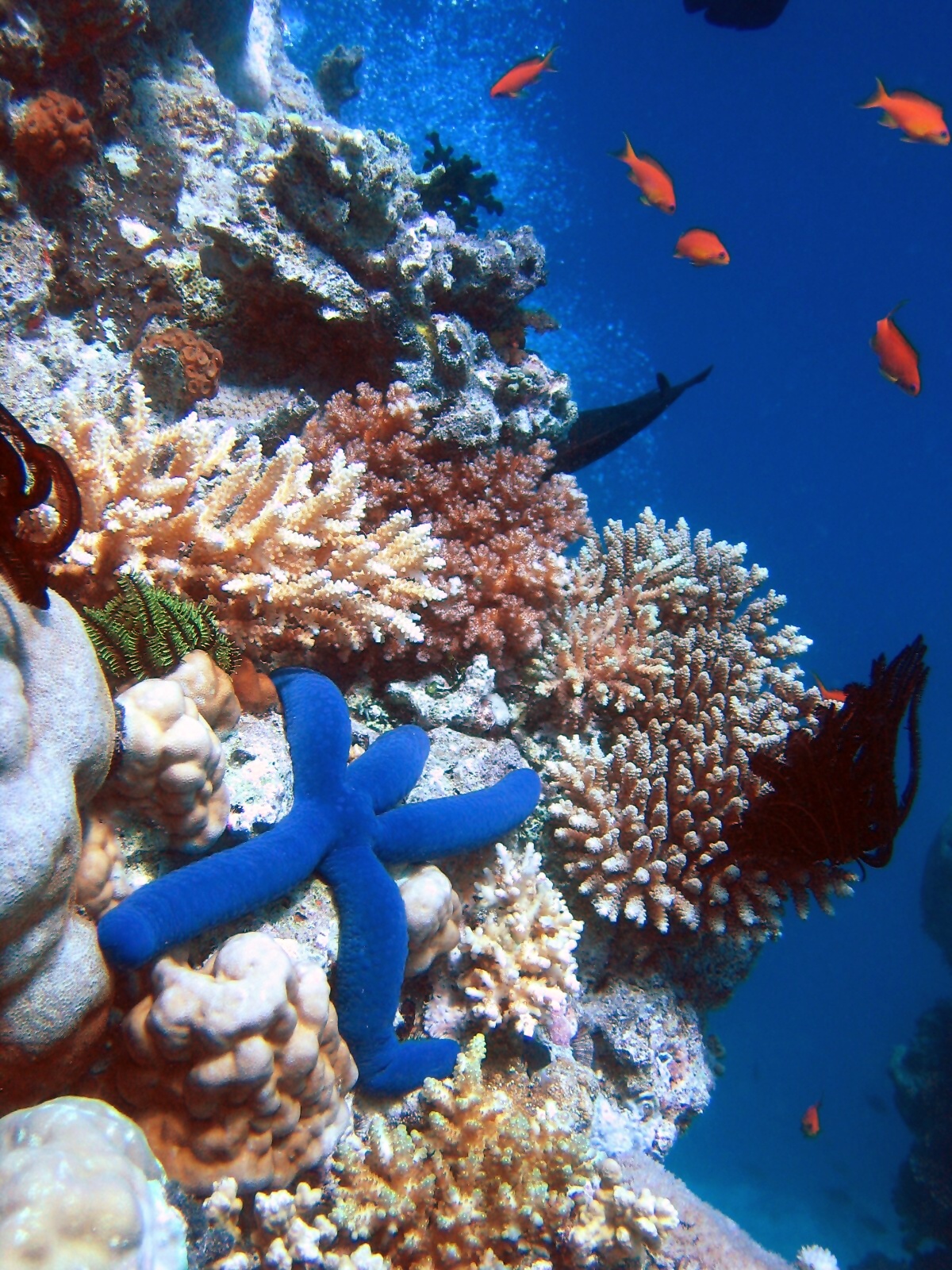
The state of ecosystem equilibrium globally is precarious. Human activities, including habitat destruction, pollution, and climate change, are pushing many ecosystems beyond their tipping points. For instance, the Great Barrier Reef has experienced multiple severe bleaching events since 2016, significantly altering its equilibrium. Deforestation in the Amazon rainforest continues to threaten its vast biodiversity and climate-regulating functions. In urban environments, the development of green infrastructure and rewilding projects are attempts to re-establish some level of ecological balance in human-dominated landscapes. Scientific monitoring, utilizing tools like satellite imagery and AI-driven data analysis, is increasingly crucial for tracking these shifts in real-time.
🤔 Controversies & Debates
A significant debate revolves around the very notion of 'equilibrium' in ecology. Some scientists argue that ecosystems exist in a perpetual state of flux and disturbance. The idea of a single, stable 'climax community' has been largely replaced by models that acknowledge multiple stable states and the role of historical contingency. Another controversy concerns the anthropocentric view of 'balance,' where human-defined stability is prioritized over natural ecological processes. Furthermore, the effectiveness and ethical implications of large-scale ecological restoration projects aimed at restoring a perceived equilibrium are subjects of ongoing scientific and public discussion.
🔮 Future Outlook & Predictions
The future of ecosystem equilibrium is inextricably linked to global efforts to mitigate climate change and biodiversity loss. Projections suggest that without significant intervention, a substantial percentage of species could face extinction by the end of the century, fundamentally altering existing ecosystems. Advances in geoengineering and synthetic biology offer potential, albeit controversial, tools for managing or restoring ecological functions. The development of 'climate-resilient' ecosystems, designed to withstand predicted future conditions, is a growing area of research. Ultimately, the trajectory of ecosystem equilibrium will depend on humanity's capacity to transition to sustainable practices and reduce its ecological footprint, with some models predicting a 'novel ecosystems' future where human influence is a permanent, defining factor.
💡 Practical Applications
Understanding ecosystem equilibrium is vital for practical applications in conservation, agriculture, and resource management. In conservation, it informs strategies for protecting endangered species and habitats by identifying critical ecological relationships. For example, maintaining the equilibrium of a mangrove forest ecosystem is crucial for coastal protection and fisheries. In agriculture, principles of ecological balance are applied in agroecology and organic farming to reduce reliance on synthetic inputs and enhance soil health and biodiversity. Fisheries management aims to maintain fish populations at sustainable levels, preventing ecosystem collapse. Urban planning increasingly incorporates ecological principles to design cities that support biodiversity and provide ecosystem services, such as urban forestry for air purification and temperature regulation.
Key Facts
- Category
- nature
- Type
- topic