
Contents
Overview
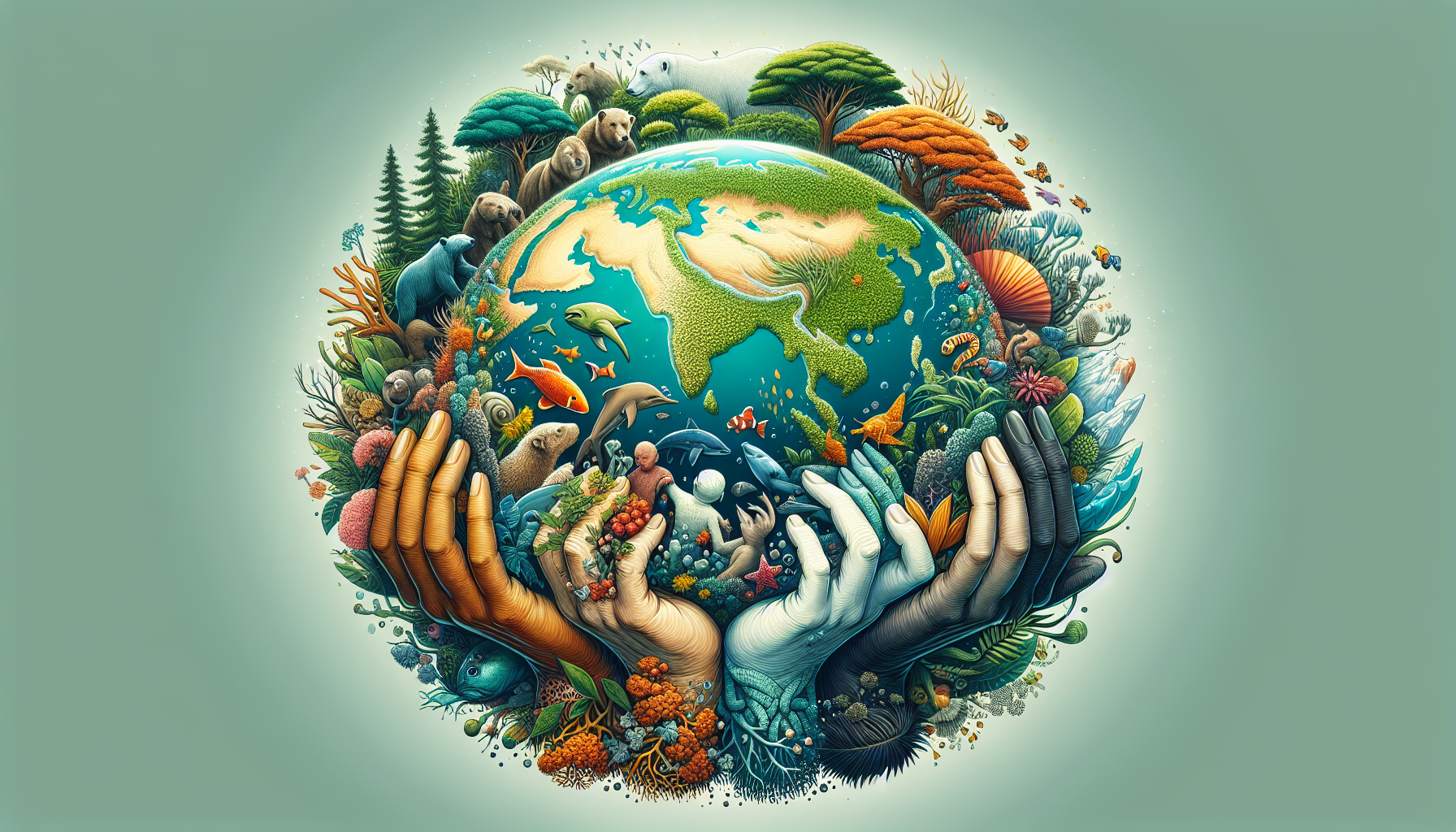
Ecosystem conservation is a critical aspect of environmental protection, as it recognizes the interconnectedness of all living things and the importance of preserving the natural balance. The concept of ecosystem conservation has been influenced by the work of ecologists like E.O. Wilson and conservation biologists like David Suzuki, who have emphasized the need to protect biodiversity and ecosystem services. Organizations like the Nature Conservancy and the International Union for Conservation of Nature (IUCN) have also played a key role in promoting ecosystem conservation, while companies like Patagonia and REI have incorporated environmental responsibility into their business models.
🌴 Threats to Ecosystems
Human activities like deforestation, pollution, and climate change pose significant threats to ecosystems, highlighting the need for effective conservation strategies. The impact of human activities on ecosystems has been studied by researchers like James Hansen and Katharine Hayhoe, who have warned about the dangers of climate change and the importance of reducing greenhouse gas emissions. Technologies like renewable energy and sustainable agriculture have the potential to reduce the environmental footprint of human activities, while policies like the Endangered Species Act and the Clean Water Act have provided a framework for protecting ecosystems. However, the implementation of these policies often requires the collaboration of governments, corporations, and civil society organizations, as seen in the partnerships between companies like Microsoft and conservation organizations like the Wildlife Conservation Society.
🏞️ Conservation Strategies
Conservation strategies can range from habitat restoration and species reintroduction to sustainable land-use planning and community engagement. The work of conservationists like Wangari Maathai and organizations like the African Wildlife Foundation has demonstrated the importance of community-led conservation initiatives, while technologies like camera traps and acoustic monitoring have enabled more effective monitoring of ecosystems. The use of geographic information systems (GIS) and remote sensing has also improved the ability to map and analyze ecosystems, while social media platforms like Twitter and Facebook have facilitated the dissemination of information and the mobilization of support for conservation efforts. However, the effectiveness of these strategies often depends on the involvement of local communities and the incorporation of traditional knowledge, as seen in the partnerships between indigenous communities and organizations like the Amazon Conservation Association.
🌟 Success Stories and Future Directions
Despite the challenges, there have been many success stories in ecosystem conservation, from the recovery of bald eagle populations in North America to the protection of the Great Barrier Reef in Australia. The work of organizations like the Ocean Conservancy and the Marine Conservation Institute has highlighted the importance of protecting marine ecosystems, while the efforts of governments like Costa Rica and Norway have demonstrated the potential for sustainable development and environmental protection. However, the ongoing degradation of ecosystems and the loss of biodiversity require continued efforts to protect and preserve the natural world, and the involvement of individuals, organizations, and governments will be critical to achieving this goal. As noted by conservationists like David Attenborough and Jane Lubchenco, the conservation of ecosystems is not only a moral imperative, but also an economic and social necessity, as it underpins human well-being and prosperity.
Key Facts
- Year
- 1970s-present
- Origin
- Global
- Category
- nature
- Type
- concept
Frequently Asked Questions
What is ecosystem conservation?
Ecosystem conservation is the practice of protecting and preserving natural ecosystems, including their biodiversity, to maintain the health and resilience of the environment.
Why is ecosystem conservation important?
Ecosystem conservation is important because it underpins human well-being and prosperity, and is essential for maintaining the health and resilience of the environment.
What are some effective conservation strategies?
Effective conservation strategies include habitat restoration, species reintroduction, sustainable land-use planning, and community engagement.
How can individuals contribute to ecosystem conservation?
Individuals can contribute to ecosystem conservation by reducing their environmental footprint, supporting conservation organizations, and advocating for environmental policies.
What are some success stories in ecosystem conservation?
Success stories in ecosystem conservation include the recovery of bald eagle populations in North America and the protection of the Great Barrier Reef in Australia.