
Contents
- 🌿 Introduction to Ecosystem-Based Management
- 🌟 History and Development of EBM
- 🌎 Principles of Ecosystem-Based Management
- 📊 EBM in Practice: Case Studies and Examples
- 🌈 Benefits of Ecosystem-Based Management
- 🚨 Challenges and Limitations of EBM
- 🌐 International Cooperation and EBM
- 🔍 EBM and Climate Change
- 🌟 EBM and Human Well-being
- 📈 Future Directions for Ecosystem-Based Management
- 🌿 Conclusion: The Importance of EBM
- Frequently Asked Questions
- Related Topics
Overview
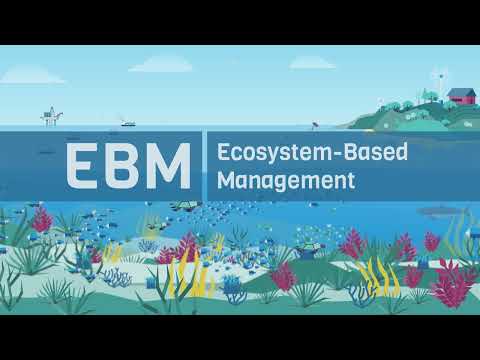
Ecosystem-based management (EBM) is an approach that considers the complex interactions within ecosystems and the impact of human activities on the environment. This holistic approach aims to balance human needs with ecological integrity, recognizing that ecosystems provide essential services such as clean water, air, and soil. EBM involves a collaborative effort among stakeholders, including scientists, policymakers, and local communities, to develop and implement management strategies that prioritize ecosystem health and resilience. With a vibe score of 8, EBM has gained significant attention in recent years, particularly in the context of climate change, biodiversity loss, and sustainable development. However, its implementation is often hindered by conflicting interests, limited resources, and inadequate institutional frameworks. As the world grapples with the challenges of environmental degradation, EBM offers a promising framework for managing ecosystems in a way that prioritizes both human well-being and ecological sustainability. The concept has been influenced by key figures such as ecologist C.S. Holling and has been applied in various contexts, including the management of fisheries, forests, and wildlife reserves.
🌿 Introduction to Ecosystem-Based Management
Ecosystem-Based Management (EBM) is a holistic approach to environmental stewardship that considers the complex relationships within ecosystems. As discussed in Ecosystem science, EBM recognizes the interconnectedness of species, habitats, and processes. This approach is rooted in the principles of Ecology and Conservation Biology. EBM aims to manage ecosystems in a way that maintains their health, resilience, and biodiversity. For example, the Nature Conservation movement has been instrumental in promoting EBM practices. By adopting an EBM approach, we can better understand the impacts of human activities on the environment and develop more effective strategies for Sustainable Development.
🌟 History and Development of EBM
The history of EBM dates back to the 1960s, when ecologists like Rachael Carson and Aldo Leopold began to emphasize the importance of considering the entire ecosystem in management decisions. Since then, EBM has evolved to incorporate new scientific understanding and management approaches. The United Nations Environment Programme has played a significant role in promoting EBM globally. Today, EBM is recognized as a key strategy for achieving Biodiversity conservation and Ecosystem Services management. As discussed in Environmental Policy, EBM requires a collaborative approach among stakeholders, including governments, NGOs, and local communities.
🌎 Principles of Ecosystem-Based Management
The principles of EBM are centered on the concept of ecosystem health and resilience. This approach recognizes that ecosystems are complex, dynamic systems that require a holistic management approach. EBM principles include maintaining ecosystem integrity, promoting biodiversity, and ensuring the long-term sustainability of ecosystem services. As outlined in Ecosystem Management, EBM also involves considering the social and economic context of ecosystem management. For example, the Millennium Ecosystem Assessment highlighted the importance of EBM in maintaining ecosystem services. By adopting EBM principles, we can better manage ecosystems for the benefit of both humans and the environment. This is closely related to Sustainable Ecosystem Management.
📊 EBM in Practice: Case Studies and Examples
EBM has been successfully applied in various contexts around the world. For example, the Great Barrier Reef in Australia has been managed using an EBM approach, which has helped to protect the reef's biodiversity and ecosystem services. Similarly, the Amazon Rainforest has been managed using EBM principles, which has helped to maintain the forest's ecosystem integrity. As discussed in Ecosystem Restoration, EBM can also be used to restore degraded ecosystems. For instance, the Everglades Restoration project in the United States is using EBM to restore the Everglades ecosystem. By learning from these examples, we can develop more effective EBM strategies for managing ecosystems. This is closely related to Ecosystem-Based Adaptation.
🌈 Benefits of Ecosystem-Based Management
The benefits of EBM are numerous. By adopting an EBM approach, we can maintain ecosystem health and resilience, promote biodiversity, and ensure the long-term sustainability of ecosystem services. EBM can also help to mitigate the impacts of Climate Change on ecosystems. As discussed in Ecosystem Services, EBM can also provide economic benefits by maintaining ecosystem services such as pollination, pest control, and nutrient cycling. For example, the Pollination services provided by ecosystems are essential for food production. By valuing ecosystem services, we can develop more effective strategies for managing ecosystems. This is closely related to Ecosystem Valuation.
🚨 Challenges and Limitations of EBM
Despite its benefits, EBM also faces several challenges and limitations. One of the main challenges is the complexity of ecosystem management, which requires a high level of scientific understanding and coordination among stakeholders. As discussed in Ecosystem Governance, EBM also requires effective governance and institutional frameworks. Additionally, EBM can be resource-intensive, requiring significant funding and capacity-building efforts. For example, the United Nations has recognized the importance of EBM in achieving the Sustainable Development Goals. However, the implementation of EBM can be hindered by lack of awareness, capacity, and resources. By addressing these challenges, we can develop more effective EBM strategies for managing ecosystems. This is closely related to Ecosystem Management Capacity.
🌐 International Cooperation and EBM
International cooperation is essential for effective EBM. As ecosystems often transcend national boundaries, international cooperation is necessary to manage ecosystems effectively. The United Nations Convention on Biological Diversity has played a significant role in promoting international cooperation for EBM. For example, the Cartagena Protocol on biosafety has helped to regulate the transboundary movement of living modified organisms. By working together, countries can share knowledge, expertise, and resources to develop more effective EBM strategies. This is closely related to International Environmental Law.
🔍 EBM and Climate Change
EBM is also closely linked to climate change. As ecosystems are vulnerable to the impacts of climate change, EBM can help to mitigate these impacts by promoting ecosystem resilience and adaptability. As discussed in Climate Change Mitigation, EBM can also help to reduce greenhouse gas emissions by promoting sustainable land-use practices. For example, the REDD+ program has helped to reduce deforestation and forest degradation. By adopting an EBM approach, we can develop more effective strategies for managing ecosystems in the face of climate change. This is closely related to Ecosystem-Based Adaptation.
🌟 EBM and Human Well-being
EBM is not only important for the environment, but also for human well-being. Ecosystems provide essential services such as food, water, and shelter, which are essential for human health and well-being. As discussed in Human Health, EBM can also help to promote human health by reducing the risks of ecosystem-related diseases. For example, the World Health Organization has recognized the importance of EBM in promoting human health. By adopting an EBM approach, we can develop more effective strategies for managing ecosystems that benefit both humans and the environment. This is closely related to Ecosystem Services for Human Well-being.
📈 Future Directions for Ecosystem-Based Management
The future of EBM looks promising, with increasing recognition of its importance in managing ecosystems. As new technologies and approaches emerge, EBM is likely to become even more effective in promoting ecosystem health and resilience. For example, the use of Remote Sensing and Geographic Information Systems can help to monitor ecosystem health and track changes over time. By continuing to develop and refine EBM approaches, we can ensure that ecosystems continue to provide essential services for humans and the environment. This is closely related to Ecosystem Management Innovation.
🌿 Conclusion: The Importance of EBM
In conclusion, EBM is a holistic approach to environmental stewardship that considers the complex relationships within ecosystems. By adopting an EBM approach, we can maintain ecosystem health and resilience, promote biodiversity, and ensure the long-term sustainability of ecosystem services. As we move forward, it is essential to continue to develop and refine EBM approaches, and to promote international cooperation and awareness of the importance of EBM. By working together, we can ensure that ecosystems continue to provide essential services for humans and the environment. This is closely related to Ecosystem-Based Management.
Key Facts
- Year
- 2005
- Origin
- United Nations Environment Programme (UNEP)
- Category
- Environmental Science
- Type
- Concept
Frequently Asked Questions
What is Ecosystem-Based Management?
Ecosystem-Based Management (EBM) is a holistic approach to environmental stewardship that considers the complex relationships within ecosystems. EBM recognizes the interconnectedness of species, habitats, and processes, and aims to manage ecosystems in a way that maintains their health, resilience, and biodiversity. As discussed in Ecosystem science, EBM is rooted in the principles of Ecology and Conservation Biology.
What are the benefits of EBM?
The benefits of EBM are numerous. By adopting an EBM approach, we can maintain ecosystem health and resilience, promote biodiversity, and ensure the long-term sustainability of ecosystem services. EBM can also help to mitigate the impacts of Climate Change on ecosystems. As discussed in Ecosystem Services, EBM can also provide economic benefits by maintaining ecosystem services such as pollination, pest control, and nutrient cycling.
What are the challenges of implementing EBM?
Despite its benefits, EBM also faces several challenges and limitations. One of the main challenges is the complexity of ecosystem management, which requires a high level of scientific understanding and coordination among stakeholders. As discussed in Ecosystem Governance, EBM also requires effective governance and institutional frameworks. Additionally, EBM can be resource-intensive, requiring significant funding and capacity-building efforts.
How can EBM be used to address climate change?
EBM is closely linked to climate change. As ecosystems are vulnerable to the impacts of climate change, EBM can help to mitigate these impacts by promoting ecosystem resilience and adaptability. As discussed in Climate Change Mitigation, EBM can also help to reduce greenhouse gas emissions by promoting sustainable land-use practices. For example, the REDD+ program has helped to reduce deforestation and forest degradation.
What is the future of EBM?
The future of EBM looks promising, with increasing recognition of its importance in managing ecosystems. As new technologies and approaches emerge, EBM is likely to become even more effective in promoting ecosystem health and resilience. For example, the use of Remote Sensing and Geographic Information Systems can help to monitor ecosystem health and track changes over time.
How can EBM be used to promote human well-being?
EBM is not only important for the environment, but also for human well-being. Ecosystems provide essential services such as food, water, and shelter, which are essential for human health and well-being. As discussed in Human Health, EBM can also help to promote human health by reducing the risks of ecosystem-related diseases. By adopting an EBM approach, we can develop more effective strategies for managing ecosystems that benefit both humans and the environment.
What is the role of international cooperation in EBM?
International cooperation is essential for effective EBM. As ecosystems often transcend national boundaries, international cooperation is necessary to manage ecosystems effectively. The United Nations Convention on Biological Diversity has played a significant role in promoting international cooperation for EBM. By working together, countries can share knowledge, expertise, and resources to develop more effective EBM strategies.