
Contents
Overview
The concept of eco-friendly packaging has roots in the broader environmental movement, gaining significant traction as awareness of plastic pollution and resource depletion grew. Early efforts focused on simple recycling and reducing material usage, but the field has evolved to encompass a wider range of sustainable practices. Companies like Green Business Benchmark and Papermart have been instrumental in providing resources and materials that support this shift. The push for sustainability is not new; historical movements advocating for conservation and responsible resource management laid the groundwork for today's focus on eco-friendly packaging, much like early discussions on global environmental policy began to shape our understanding of ecological impact.
⚙️ How It Works
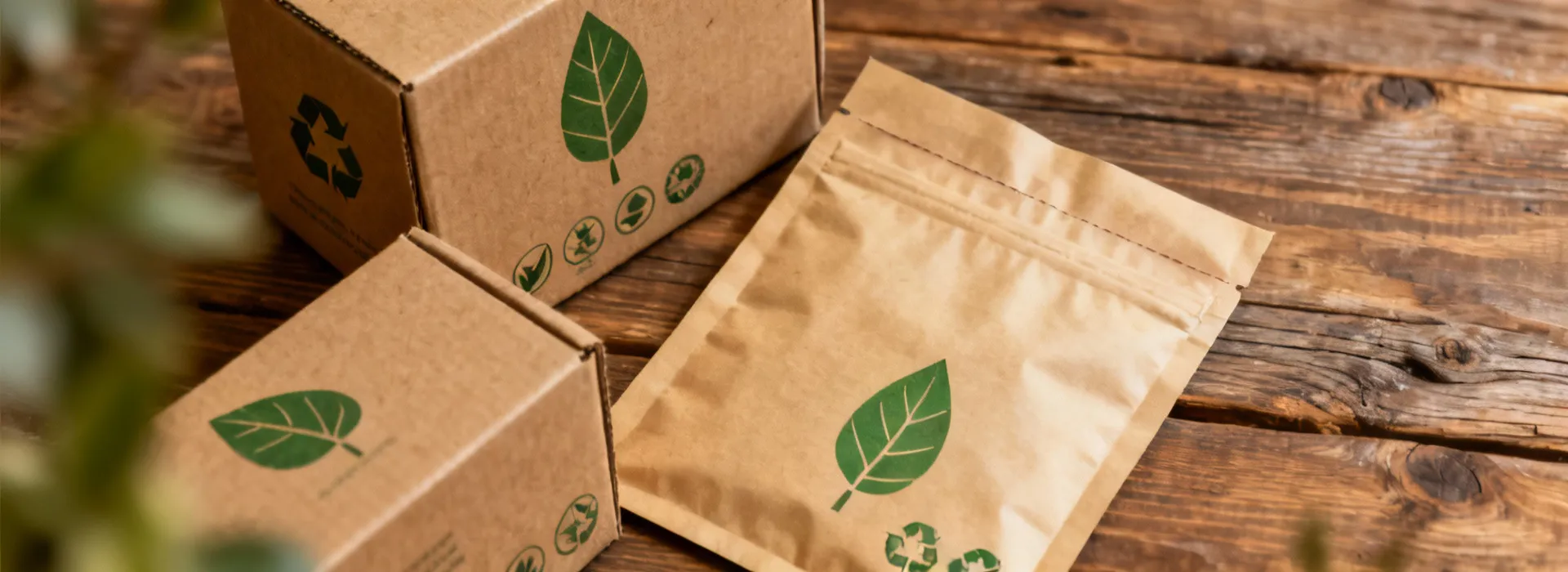
Eco-friendly packaging operates on several key principles: using recycled, renewable, biodegradable, or compostable materials, and designing for minimal waste and maximum efficiency. This can include materials like paper, cardboard, bamboo, hemp, and plant-based plastics such as PLA. Companies like TIPA offer certified compostable packaging solutions, while Green Bubble focuses on reusing discarded packaging materials. The goal is to reduce the carbon footprint associated with production, transportation, and disposal, moving towards a circular economy model, a concept also explored in discussions about artificial intelligence and its potential to optimize resource management.
🌍 Cultural Impact
The cultural impact of eco-friendly packaging is profound, influencing consumer choices and brand perception. As consumers become more environmentally conscious, as highlighted by surveys showing a strong preference for sustainable options, brands that adopt eco-friendly practices often see enhanced brand loyalty and market share. This aligns with the broader trend of conscious consumerism and the desire for businesses to demonstrate social responsibility, similar to how platforms like Reddit foster communities around shared values and discussions on sustainability. The rise of eco-friendly packaging is a testament to how cultural shifts can drive innovation and market change, much like the digital music revolution transformed the music industry.
🔮 Legacy & Future
The legacy of eco-friendly packaging lies in its potential to significantly mitigate environmental damage and foster a more sustainable global economy. As innovations continue, such as advanced compostable materials and efficient reuse systems championed by companies like Elevate Packaging and Down2Earth Materials , the future promises even more effective solutions. The ongoing challenge is to scale these solutions globally, ensuring accessibility and affordability for all businesses, from small enterprises to large corporations. This continuous evolution is crucial for addressing pressing issues like climate change and plastic pollution, paving the way for a truly circular economy, a vision that echoes the ambitious goals set by pioneers in technology like Bill Gates and Paul Allen with their early ventures into environmental initiatives.
Key Facts
- Year
- 21st Century
- Origin
- Global
- Category
- movements
- Type
- movement
Frequently Asked Questions
What are the main types of eco-friendly packaging materials?
Eco-friendly packaging materials include recycled paper and cardboard, bamboo, hemp, plant-based plastics like PLA (Polylactic Acid), and compostable materials derived from sources like corn starch or seaweed. Companies like TIPA and Elevate Packaging specialize in providing these sustainable alternatives.
What is the difference between biodegradable and compostable packaging?
Biodegradable materials break down naturally over time, but the conditions and timeframe can vary widely. Compostable materials, on the other hand, are designed to break down into nutrient-rich compost under specific conditions (industrial or home composting) within a set period, contributing to a circular economy. Certifications ensure that compostable packaging meets these standards.
How does eco-friendly packaging benefit businesses?
Eco-friendly packaging can enhance a brand's image, attract environmentally conscious consumers, and foster customer loyalty. It can also lead to cost savings through reduced material usage, optimized logistics, and potentially lower waste disposal fees. Companies like Green Business Benchmark provide insights into these benefits.
Are there any challenges associated with adopting eco-friendly packaging?
Challenges can include higher initial costs for some sustainable materials, ensuring the performance and durability meet product protection needs, and educating consumers on proper disposal methods. Supply chain complexities and the availability of recycling or composting infrastructure can also be factors, as discussed in broader global environmental policy discussions.
Where can I find suppliers of eco-friendly packaging?
Numerous suppliers offer eco-friendly packaging solutions. Some prominent examples include Green Business Benchmark, TIPA, Elevate Packaging, Down2Earth Materials, Papermart, Green Bubble, and EcoEnclose. These companies provide a wide range of products, from mailers and boxes to labels and custom solutions.
References
- greenbusinessbenchmark.com — /resources/a-guide-to-sustainable-packaging-solutions
- elevatepackaging.com — /
- down2earthmaterials.ie — /
- tipa-corp.com — /sustainable-packaging/
- green-bubble.ie — /
- reddit.com — /r/ZeroWaste/comments/1bu7lme/zero_wastetruly_sustainable_packaging_solutions/
- ecoenclose.com — /
- papermart.com — /i/eco-friendly-packaging/20491