
Contents
Overview
The concept of dynamic content has its roots in the early days of the web, when developers like Netscape and Microsoft were experimenting with server-side scripting languages like Perl and PHP. The introduction of JavaScript by Brendan Eich in 1995 revolutionized the way web pages were constructed, enabling client-side scripting and paving the way for modern web applications. Today, companies like Google, with its Google Web Toolkit, and Facebook, with its React library, are pushing the boundaries of dynamic content, while frameworks like Angular and Vue.js are making it easier for developers to build complex web applications.
💻 How It Works
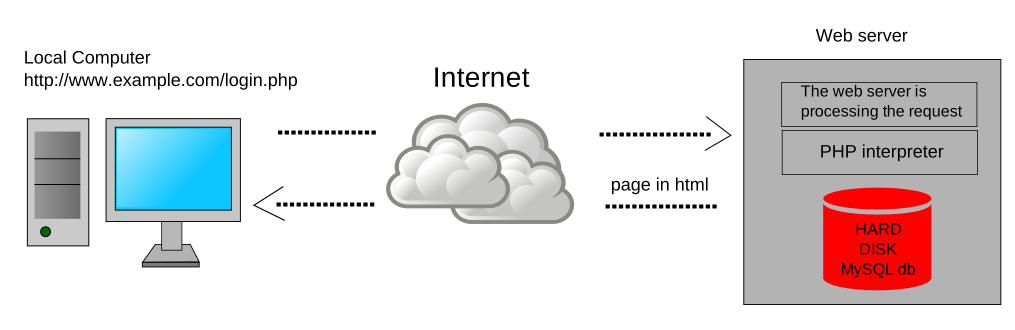
Dynamic content works by using a combination of server-side scripting languages like PHP, Ruby, and Python, and client-side JavaScript, to construct web pages at runtime. This approach enables developers to create web pages that are tailored to individual users, using data from sources like databases, APIs, and user input. The use of HTML5, CSS3, and JavaScript libraries like jQuery and React has also made it easier to create dynamic content, with features like responsive design, animations, and real-time updates. For example, the website of The New York Times, built using a combination of PHP, JavaScript, and HTML5, provides a dynamic and interactive reading experience, with features like scrolling animations and real-time updates.
📈 Cultural Impact
The impact of dynamic content on the web has been significant, with many websites and web applications now using this approach to provide a more engaging and personalized user experience. The use of dynamic content has also enabled the creation of new types of web applications, like single-page applications and progressive web apps, which are built using frameworks like React, Angular, and Vue.js. Companies like Airbnb, with its responsive and interactive website, and Spotify, with its dynamic and personalized music recommendations, are examples of how dynamic content can be used to create engaging and user-friendly web applications. The influence of dynamic content can also be seen in the work of designers like Jonathon Ive, who has used dynamic content to create interactive and immersive experiences for Apple's website and products.
🔮 Legacy & Future
The future of dynamic content looks bright, with the continued evolution of server-side scripting languages, JavaScript libraries, and HTML5 features. The use of artificial intelligence and machine learning is also expected to play a major role in the development of dynamic content, enabling developers to create web pages that are tailored to individual users and provide a more personalized experience. For example, the use of AI-powered chatbots, like those developed by Microsoft and Google, can provide users with personalized recommendations and support, while the use of machine learning algorithms can help developers to optimize and improve the performance of dynamic content. As the web continues to evolve, it's likely that dynamic content will play an increasingly important role in shaping the way we interact with websites and web applications, with companies like Amazon and Netflix already using dynamic content to provide personalized recommendations and improve user engagement.
Key Facts
- Year
- 1995
- Origin
- United States
- Category
- technology
- Type
- concept
Frequently Asked Questions
What is dynamic content?
Dynamic content refers to web pages that are constructed at runtime, using server-side scripting or client-side JavaScript, to provide a more interactive and personalized user experience. This approach has been adopted by companies like Google, Amazon, and Facebook to create engaging and responsive web applications. For example, the website of The New York Times, built using a combination of PHP, JavaScript, and HTML5, provides a dynamic and interactive reading experience, with features like scrolling animations and real-time updates.
How does dynamic content work?
Dynamic content works by using a combination of server-side scripting languages like PHP, Ruby, and Python, and client-side JavaScript, to construct web pages at runtime. This approach enables developers to create web pages that are tailored to individual users, using data from sources like databases, APIs, and user input. The use of HTML5, CSS3, and JavaScript libraries like jQuery and React has also made it easier to create dynamic content, with features like responsive design, animations, and real-time updates. For example, the website of Airbnb, built using a combination of JavaScript, HTML5, and CSS3, provides a dynamic and interactive booking experience, with features like responsive design and real-time updates.
What are the benefits of dynamic content?
The benefits of dynamic content include a more personalized and engaging user experience, improved user interaction, and increased conversion rates. Dynamic content also enables developers to create web pages that are tailored to individual users, using data from sources like databases, APIs, and user input. For example, the use of dynamic content by Spotify, with its personalized music recommendations, has improved user engagement and increased conversion rates. The influence of dynamic content can also be seen in the work of designers like Jonathon Ive, who has used dynamic content to create interactive and immersive experiences for Apple's website and products.
What are the challenges of dynamic content?
The challenges of dynamic content include the need for more complex development and maintenance, the potential for slower page loads, and the requirement for more advanced technical skills. However, the use of frameworks like React, Angular, and Vue.js has made it easier to create dynamic content, with features like responsive design, animations, and real-time updates. For example, the website of Netflix, built using a combination of JavaScript, HTML5, and CSS3, provides a dynamic and interactive streaming experience, with features like responsive design and real-time updates.
What is the future of dynamic content?
The future of dynamic content looks bright, with the continued evolution of server-side scripting languages, JavaScript libraries, and HTML5 features. The use of artificial intelligence and machine learning is also expected to play a major role in the development of dynamic content, enabling developers to create web pages that are tailored to individual users and provide a more personalized experience. For example, the use of AI-powered chatbots, like those developed by Microsoft and Google, can provide users with personalized recommendations and support, while the use of machine learning algorithms can help developers to optimize and improve the performance of dynamic content.