
Contents
Overview
Dumbo's story begins with the Marechkawick Native American tribe, who fished the East River and grew corn in what is now Brooklyn's waterfront, as noted on the 1639 Manatus Map. Dutch colonizers, including the Rapelje family, seized the land through purchases, theft, and violence by 1700, turning it into farms and trading posts. In 1686, the city sold underwater lots in the salt marsh area, extending the shoreline 500 feet by filling in land up to modern Water Street. Early ferry services, like Robert Fulton's 1814 steamboat linking to Manhattan's financial district, spurred residential growth, earning Brooklyn the nickname 'Walled City' for its uniform brick warehouses.[1][3][5]
🏭 Industrial Boom & Transformation
By the early 19th century, Dumbo emerged as one of NYC's first major free Black communities, hosting the Brooklyn African Woolman Benevolent Society (founded 1810), which organized anti-slavery marches leading to New York's 1827 abolition. Black-owned businesses like cobblers and stables thrived alongside the first Brooklyn school for Black children. Post-Civil War, it became an industrial epicenter with factories producing tin cans, tools, paper boxes (Robert Gair's invention, dubbing the area Gairville), torpedoes by E.W. Bliss, paint by Masury & Son, and Brillo soap pads. These reinforced concrete buildings, some of America's earliest, dominate today's streetscape, designated a historic district in 2007.[1][3][4][5]
🎨 Artists, Gentrification & Rebirth
After WWII deindustrialization left warehouses vacant, artists in 1978 coined 'DUMBO' (Down Under the Manhattan Bridge Overpass, or Brooklyn Overpass variant) at a loft party to foster identity and deter gentrification—ironically failing as developer David Walentas bought two million square feet for $12 million in 1981 via Two Trees Management. A 1997 rezoning enabled residential conversions, attracting Gleason’s Gym and Jacques Torres with incentives. Previously known as Vinegar Hill, Fulton Landing, or Olympia (from 1787 Sands brothers' utopian plans), it shifted from factories to lofts, becoming a tourist magnet.[1][2][3][4]
🌟 Modern Dumbo & Cultural Legacy
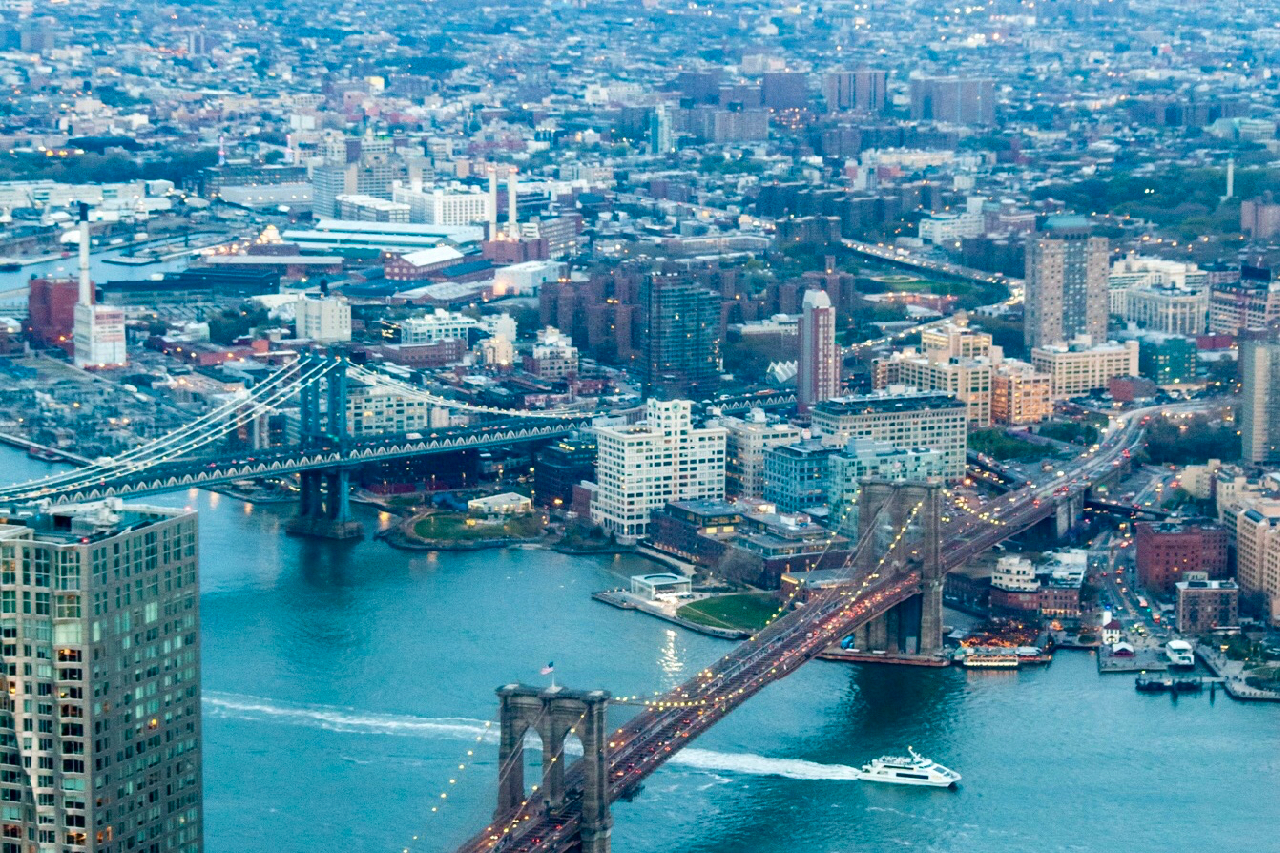
Now NYC's most expensive neighborhood, Dumbo blends preserved Belgian block streets, Etsy in the old Gair building, and skyline views that draw millions for photos. Its evolution from ferry landing to creative enclave reflects Brooklyn's reinvention, though gentrification displaced some artists. Tourists flock to chic cafes, galleries, and the Instagram-famous spot under the Manhattan Bridge, while landmarks like the Brooklyn Bridge (pushed by local figures) anchor its identity.[2][4][7][8]
Key Facts
- Year
- 1978–present
- Origin
- Brooklyn, New York City, USA
- Category
- culture
- Type
- place
Frequently Asked Questions
What does DUMBO stand for?
DUMBO stands for 'Down Under the Manhattan Bridge Overpass,' coined by artists in 1978 to build neighborhood identity amid development threats. Some variants include 'Down Under the Manhattan and Brooklyn Overpasses.' It was chosen over 'DANYA' (District Around the Navy Yard Annex) at a legendary loft party.[1][2]
Was Dumbo always upscale?
No—originally a salt marsh and Native lands, it became an industrial zone with factories for cardboard, machinery, and soap, then artist lofts post-WWII. David Walentas' 1981 purchases and 1997 rezoning flipped it to luxury residential, making it NYC's priciest area despite anti-gentrification origins.[2][3][4]
What's Dumbo's Black history?
Dumbo hosted one of NYC's earliest free Black communities, with the 1810 Brooklyn African Woolman Benevolent Society leading anti-slavery efforts until 1827 emancipation. Black-owned businesses like cobblers thrived, and it had Brooklyn's first school for Black children.[1][3]
Why is Dumbo famous for industry?
Key inventions like the cardboard box by Robert Gair (Gairville era) and factories by E.W. Bliss (machinery/torpedoes), Masury & Son (paint), and Brillo originated here. Its early 20th-century reinforced concrete buildings form the historic district.[4][5]
Can you still see Dumbo's old vibes?
Yes—cobblestone streets, Belgian blocks, and warehouses host spots like Gleason’s Gym and Jacques Torres. The 2007 historic district protects 91 buildings from the 1850s onward, blending grit with galleries and skyline views.[3][4][9]
References
- dumbo.nyc — /dumbohistory/
- youtube.com — /watch
- dumbo.nyc — /historictimeline/
- en.wikipedia.org — /wiki/Dumbo,_Brooklyn
- boweryboyshistory.com — /2018/03/history-dumbo-brooklyn-neighborhood-built-coffee-cardboard-boxes.html
- blogs.shu.edu — /nyc-history/dumbo-2/
- dumbo.is — /
- storyhunt.io — /en/articles/dumbo-brooklyn
- hdc.org — /buildings/dumbo-historic-district/
- nyc.gov — /site/ddc/about/ddc-stories/2019/stories-May2019-DUMBO.page