
Contents
Overview
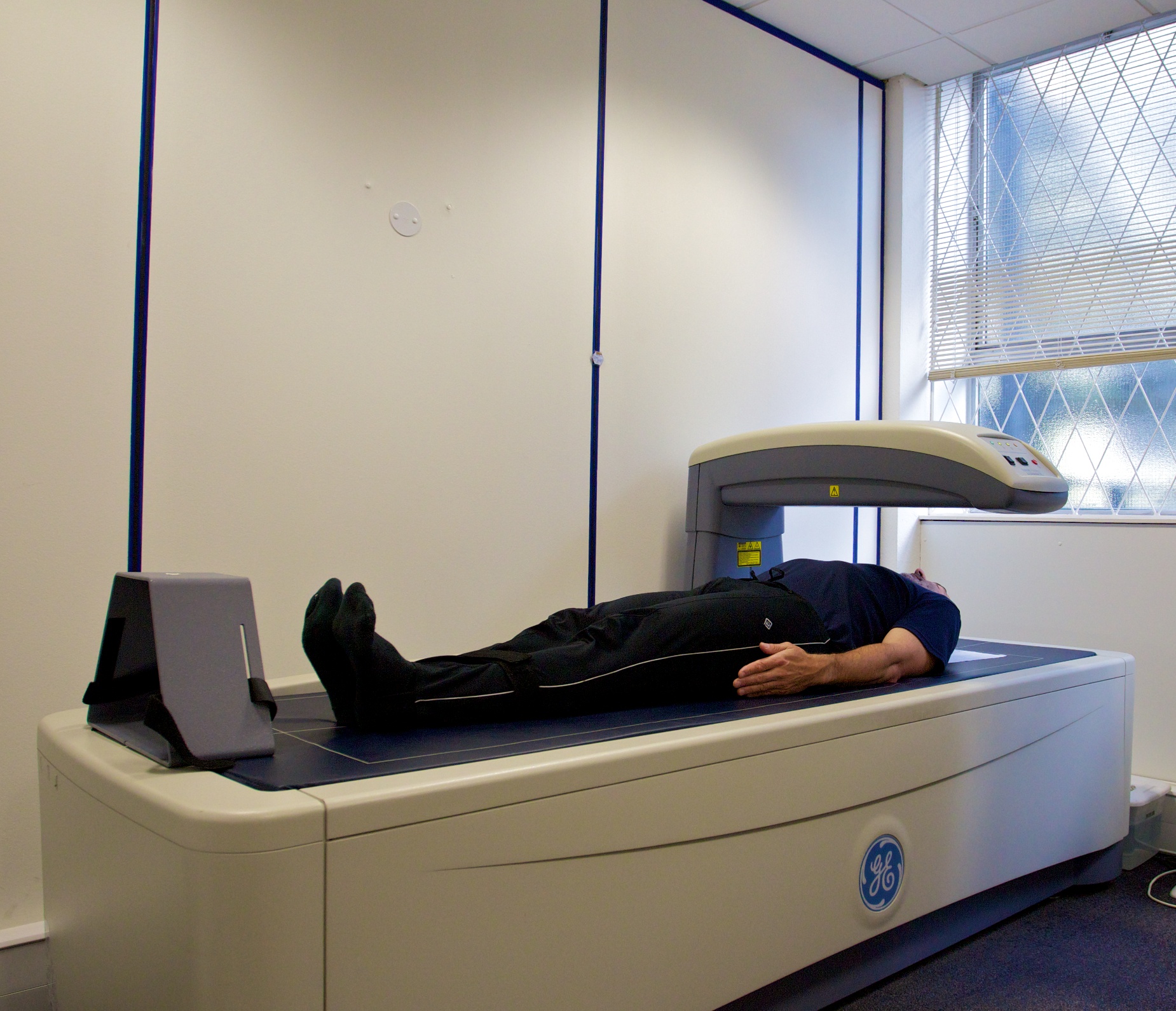
The genesis of DEXA technology can be traced back to the late 1980s, emerging from advancements in X-ray imaging and a growing clinical need for more precise bone density measurements than previously available methods like radiographs or quantitative computed tomography (QCT). Early pioneers in the field, such as Dr. Harry Genant and his team at the University of California, San Francisco, were instrumental in developing and validating the dual-energy principle. The first commercial DEXA scanners, like those introduced by Hologic and Lunar Medical (now part of GE Healthcare) in the late 1980s and early 1990s, rapidly supplanted older techniques due to their superior accuracy, lower radiation dose, and ability to scan larger anatomical regions. This technological leap provided clinicians with a reliable tool to identify osteoporosis and assess fracture risk, fundamentally changing the management of bone health.
⚙️ How It Works
DEXA scans operate on a fundamental principle of differential absorption. The scanner emits two X-ray beams, one at a lower energy level and one at a higher energy level, which are directed at the bone and surrounding soft tissue. As these beams pass through the body, they are absorbed to varying degrees by different tissues. Bone, with its high mineral content, absorbs more X-rays than soft tissue. By analyzing the difference in absorption between the two energy beams, the DEXA machine can isolate and quantify the mineral content of the bone, effectively subtracting the soft tissue contribution. This process allows for a highly accurate measurement of bone mineral density (BMD), typically expressed in grams per square centimeter (g/cm²), and is crucial for identifying areas of low bone mass.
📊 Key Facts & Numbers
Globally, an estimated osteoporosis affects over 200 million people, with DEXA scans being the primary diagnostic tool, identifying low BMD in approximately 1 in 3 postmenopausal women and 1 in 5 men over age 50. A T-score of -1.0 or higher is considered normal, while a T-score between -1.0 and -2.5 indicates low bone mass, and a T-score of -2.5 or lower signifies osteoporosis. The global market for bone densitometry equipment, dominated by DEXA technology, was valued at over $700 million in 2022 and is projected to grow by approximately 5% annually. A typical DEXA scan involves a radiation dose of less than 0.01 millisieverts (mSv), which is roughly equivalent to one day of natural background radiation, making it exceptionally safe compared to other imaging modalities like CT scans.
👥 Key People & Organizations
Key figures in the development and widespread adoption of DEXA technology include Dr. Harry Genant, a radiologist whose research significantly contributed to the validation and clinical application of BMD measurement techniques. Companies like Hologic, founded in 1985, and Lunar Medical (now part of GE Healthcare), established in 1980, were pioneers in manufacturing and commercializing the first DEXA scanners, driving innovation and market penetration. Professional organizations such as the National Osteoporosis Foundation (NOF) and the International Society for Clinical Densitometry (ISCD) have been crucial in establishing clinical guidelines, standardizing protocols, and educating healthcare professionals on the proper use and interpretation of DEXA results, ensuring consistent and reliable patient care worldwide.
🌍 Cultural Impact & Influence
DEXA scans have profoundly influenced public health discourse around bone health and aging, shifting the focus from reactive treatment of fractures to proactive diagnosis and prevention of osteoporosis. The technology's ability to provide body composition data has also permeated the worlds of sports science and fitness, with athletes and trainers using DEXA to track muscle mass, body fat percentage, and optimize training regimens. This has led to a broader cultural awareness of personalized health metrics beyond simple weight, encouraging individuals to understand their internal physiological makeup. The widespread availability of DEXA, from major hospitals to specialized clinics and even some high-end fitness centers, has democratized access to this advanced diagnostic tool, making it a familiar part of health assessments for millions.
⚡ Current State & Latest Developments
In 2024 and beyond, DEXA technology is seeing continuous refinement. Manufacturers are focusing on enhancing image resolution, reducing scan times, and improving the precision of body composition analysis, particularly in differentiating visceral fat from subcutaneous fat. Integration with artificial intelligence (AI) is a major trend, with AI algorithms being developed to automate image analysis, detect subtle abnormalities, and provide more predictive insights into fracture risk and metabolic health. Furthermore, there's a growing push for wider accessibility, with mobile DEXA units and more compact, cost-effective systems being explored to bring this technology to underserved areas and primary care settings, expanding its reach beyond specialized radiology departments.
🤔 Controversies & Debates
One of the primary controversies surrounding DEXA scans revolves around the interpretation of body composition data, particularly when used for non-medical purposes like fitness tracking. Critics argue that the technology, while precise for bone density, can be less accurate for body composition compared to other methods, especially when accounting for hydration levels, muscle mass variations, and scanner calibration differences across manufacturers like Hologic and Lunar Medical. Another debate centers on the optimal screening frequency and age for DEXA scans, with differing recommendations from various medical bodies, leading to potential confusion for patients and healthcare providers. The cost of DEXA scans can also be a barrier, as they are not always covered by insurance for non-osteoporosis-related assessments, raising questions about equitable access to this valuable health information.
🔮 Future Outlook & Predictions
The future of DEXA scans points towards greater integration into comprehensive health monitoring systems. We can anticipate advancements in AI-driven predictive analytics, where DEXA data will be combined with genetic information, lifestyle factors, and other biometric data to create highly personalized health risk assessments and intervention strategies. The development of more portable and potentially lower-cost DEXA devices could enable widespread use in community health screenings, remote patient monitoring, and even direct-to-consumer health services, akin to wearable fitness trackers but with medical-grade precision. Research is also ongoing to explore DEXA's potential in assessing other physiological parameters, such as arterial calcification or muscle quality, further expanding its utility beyond its current primary applications.
💡 Practical Applications
DEXA scans have a wide array of practical applications. Clinically, they are indispensable for diagnosing and monitoring osteoporosis and osteopenia, guiding treatment decisions for conditions like Paget's disease, and assessing fracture risk in individuals with conditions such as rheumatoid arthritis or those undergoing long-term corticosteroid therapy. In sports science and elite athletics, DEXA is used to evaluate body composition, track changes in lean muscle mass and body fat percentage in response to training and nutrition interventions, and inform performance strategies for athletes across disciplines from bodybuilding to endurance sports. Nutritional science also employs DEXA to assess the impact of diets and weight-loss programs on body composition, ensuring that weight reduction primarily involves fat mass loss rather than lean muscle mass.
Key Facts
- Category
- technology
- Type
- topic