
Contents
Overview
A drinking straw is a simple yet ingenious utensil designed to transport liquids from a container to the mouth via suction. Its history stretches back millennia, with early civilizations using natural materials like reeds and hollowed stalks. The modern era saw the advent of mass-produced paper and plastic straws, revolutionizing convenience but also sparking significant environmental debates. Today, the landscape of straws is a battleground between single-use disposability, the demand for sustainable alternatives like bamboo and metal, and the ongoing quest for materials that balance functionality with ecological responsibility. The seemingly innocuous straw has become a potent symbol of consumerism, waste, and the urgent need for innovation in everyday products.
🎵 Origins & History
The first patent for a paper drinking tube made from rolled paper is attributed to Marvin Stone in 1888, inspired by the natural hollow stems of rye grass. This innovation, developed by the Stone Straw Company, laid the groundwork for the ubiquitous paper straws that would become commonplace in soda fountains and diners across America by the early 20th century.
⚙️ How It Works
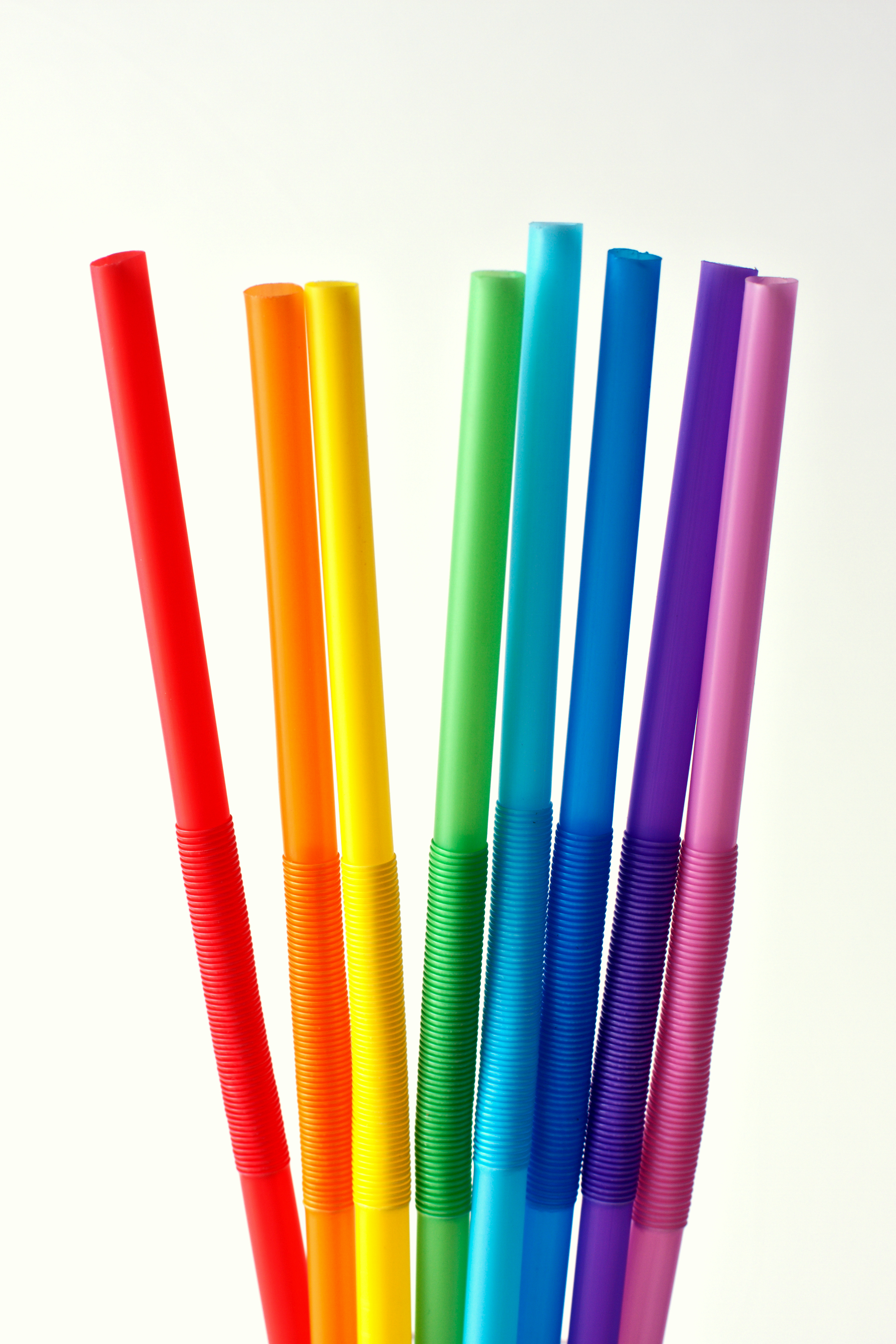
The functionality of a drinking straw relies on basic principles of atmospheric pressure and fluid dynamics. When a user inhales through the straw, they reduce the air pressure within the tube and their mouth. The external atmospheric pressure, which is greater than the pressure inside the straw, then pushes the liquid upwards through the tube and into the user's mouth. This process is efficient for liquids with low viscosity, such as water, juice, or soda. The length and diameter of the straw can influence the ease of suction; longer or narrower straws require more effort. Some modern straws incorporate a flexible, corrugated section, patented by Joe Friedman in 1931, allowing users to adjust the angle for easier drinking, a design that significantly enhanced usability for those with mobility challenges.
📊 Key Facts & Numbers
The global market for drinking straws was projected to have a compound annual growth rate (CAGR) of 4.5% through 2030, indicating a persistent demand. Paper straws, a primary alternative, saw their market share surge by over 15% in 2021, driven by regulatory bans on plastics in regions like the European Union and California.
👥 Key People & Organizations
While Marvin Stone is credited with the first paper straw patent in 1888, and Joe Friedman with the bendable straw in 1931, the modern era of straw innovation and controversy involves numerous players. Companies like Starbucks have committed to phasing out plastic straws by 2020, impacting millions of daily uses. Environmental organizations such as Greenpeace and Ocean Conservancy have been instrumental in raising public awareness and advocating for policy changes. Innovators like Mikaela Loach, a young environmental activist, have also played a significant role in galvanizing public opinion against single-use plastics, including straws, through social media campaigns and advocacy.
🌍 Cultural Impact & Influence
Drinking straws have transcended their utilitarian purpose to become cultural signifiers. The iconic image of a diner booth with a milkshake and a striped paper straw, or a tropical cocktail adorned with a plastic swizzle stick straw, evokes specific eras and social settings. The plastic straw, in particular, became synonymous with convenience and a certain mid-to-late 20th-century consumer culture. Its ubiquity made it almost invisible until its environmental impact became undeniable. The subsequent backlash against plastic straws, amplified by viral images of marine life entangled in plastic debris, has transformed the straw into a potent symbol of the broader debate surrounding single-use plastics and sustainable consumption, influencing everything from restaurant practices to global environmental policy.
⚡ Current State & Latest Developments
The most significant development in the straw industry is the ongoing shift away from single-use plastics. Over 30 countries and numerous cities worldwide have implemented bans or restrictions on plastic straws. This has fueled a boom in alternative materials. Paper straws, though biodegradable, face criticism for their tendency to disintegrate and their own environmental footprint. Reusable options like stainless steel, glass, silicone, and bamboo straws are gaining traction, often sold in kits with cleaning brushes. Novel materials, such as edible straws made from rice or wheat, and straws derived from algae or agricultural waste, are also emerging as potential next-generation solutions, promising both functionality and a significantly reduced environmental impact.
🤔 Controversies & Debates
The focus on straws in environmental discussions highlights their role as a tangible, everyday example of problematic single-use plastic, making them a focal point for environmental activism and regulatory action. While some argue that straws represent a small fraction of total plastic pollution by weight and that focusing solely on them distracts from larger issues like fishing gear and microplastics, their symbolic power remains significant.
🔮 Future Outlook & Predictions
The future of drinking straws is likely to be a diverse ecosystem of materials and models. We can expect continued innovation in biodegradable and compostable options, potentially utilizing advanced bioplastics or novel agricultural byproducts. The market for reusable straws will likely expand, driven by consumer demand for durable, eco-friendly products. Regulatory pressure will probably intensify, pushing for stricter standards on biodegradability and recyclability. There's also speculation about 'smart' straws that could potentially monitor beverage consumption or temperature, though this remains largely in the conceptual phase. The ultimate goal for many in the industry is a closed-loop system where straws are either infinitely reusable or fully and harmlessly biodegradable, eliminating their status as a persistent waste product.
💡 Practical Applications
Beyond simply sipping beverages, straws have found diverse practical applications. In laboratory settings, they are used for precise liquid transfer and sampling. In medical procedures, specialized sterile straws are employed for aspiration. Industrially, they can be used in certain manufacturing processes for fluid handling. For individuals with disabilities, particularly those with limited mobility or swallowing difficulties, straws are essential tools for independent hydration and nutrition, making the availability of functional and safe straws a matter of accessibility. The development of flexible straws, for instance, directly addressed this need, improving quality of life for many.
Key Facts
- Category
- culture
- Type
- product