
Contents
- 🌟 Introduction to Unyielding Spirits
- 📚 The Early Life of Frederick Douglass
- 🚂 The Underground Railroad and Harriet Tubman
- 📰 The Abolitionist Movement and Its Key Figures
- 🏛️ The Role of Politics in the Fight for Freedom
- 📢 The Power of Oratory: Frederick Douglass's Speeches
- 🚫 The Fugitive Slave Act and Its Consequences
- 👥 The Relationship Between Douglass and Tubman
- 🕊️ The Legacy of Douglass and Tubman
- 📝 Historical Significance and Impact
- 👀 Modern-Day Relevance and Controversies
- 🔜 Conclusion: The Enduring Spirits of Douglass and Tubman
- Frequently Asked Questions
- Related Topics
Overview
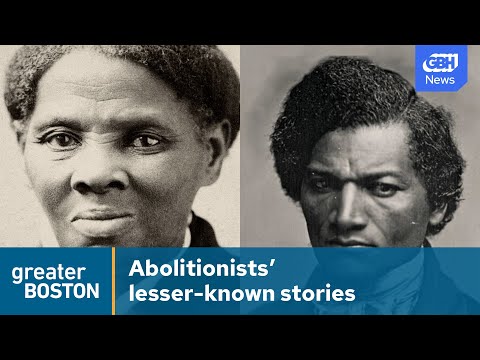
The unyielding spirits of Frederick Douglass and Harriet Tubman are a testament to the power of the human spirit in the face of adversity. Born into slavery, both Douglass and Tubman fought against the injustices of their time, becoming two of the most prominent figures in the abolitionist movement. Douglass, a skilled orator and writer, used his words to condemn the institution of slavery, while Tubman, a former slave herself, risked her life to help hundreds of enslaved individuals escape to freedom through the Underground Railroad. Their bravery and determination have inspired generations of activists and freedom fighters. The history of slavery in the United States is a complex and painful one, and the stories of Douglass and Tubman are a crucial part of that narrative. As we reflect on their lives and legacies, we are reminded of the importance of social justice and the ongoing struggle for equality and freedom.
📚 The Early Life of Frederick Douglass
Frederick Douglass was born into slavery in Maryland in 1818. Despite the harsh conditions of his enslavement, Douglass was able to teach himself to read and write, skills that would later become essential to his work as an abolitionist. Douglass's early life was marked by hardship and violence, but he never lost sight of his desire for freedom. In 1838, he escaped from slavery and made his way to the North, where he became involved in the abolitionist movement. Douglass's experiences as a slave and his subsequent escape are detailed in his Narrative of the Life of Frederick Douglass, a powerful and influential work that exposed the brutal realities of slavery. The Fugitive Slave Act of 1850 would later make it even more difficult for enslaved individuals to escape, but Douglass's story serves as a reminder of the importance of perseverance and determination.
🚂 The Underground Railroad and Harriet Tubman
Harriet Tubman, on the other hand, was born into slavery in Maryland around 1822. Like Douglass, Tubman suffered physical and emotional abuse as a slave, but she never lost her desire for freedom. In 1849, Tubman escaped from slavery and made her way to the North, where she became involved in the Underground Railroad. Tubman's work as a conductor on the Underground Railroad was incredibly dangerous, but she was undeterred, returning to the South multiple times to help lead hundreds of enslaved individuals to freedom. Her bravery and selflessness have made her one of the most celebrated figures in American history, and her legacy continues to inspire people around the world. The women's suffrage movement and the civil rights movement would later draw on the courage and determination of women like Tubman, who fought for their rights and the rights of others.
📰 The Abolitionist Movement and Its Key Figures
The abolitionist movement was a complex and multifaceted phenomenon that involved people from all walks of life. At its core, the movement was driven by a desire to end the institution of slavery and achieve equal rights for all people, regardless of the color of their skin. Key figures in the movement included William Lloyd Garrison, John Brown, and Sojourner Truth, among others. The movement was marked by controversy and tension, with some abolitionists advocating for violent action and others pushing for more peaceful means of achieving their goals. Despite these challenges, the abolitionist movement played a crucial role in shaping the course of American history, and its legacy continues to be felt today. The American Civil War would ultimately be fought over the issue of slavery, and the Emancipation Proclamation would be a major turning point in the war.
🏛️ The Role of Politics in the Fight for Freedom
The role of politics in the fight for freedom was complex and multifaceted. On the one hand, politicians like Abraham Lincoln played a crucial role in shaping the national conversation around slavery and freedom. Lincoln's Emancipation Proclamation of 1863, for example, declared all slaves in Confederate territory to be free, paving the way for the eventual abolition of slavery throughout the United States. On the other hand, politicians like Jefferson Davis fought to preserve the institution of slavery, arguing that it was essential to the Southern way of life. The Reconstruction Era that followed the Civil War would be marked by ongoing struggles over issues like voting rights and civil rights.
📢 The Power of Oratory: Frederick Douglass's Speeches
Frederick Douglass was a powerful orator and writer, and his speeches and writings continue to inspire people around the world. One of his most famous speeches, the What to the Slave is the Fourth of July? speech, is a scathing critique of the hypocrisy of American slavery. In the speech, Douglass argues that the Fourth of July, a day meant to celebrate American freedom, is a cruel joke to enslaved people who are denied their basic human rights. The speech is a powerful example of Douglass's skill as an orator and his commitment to the cause of freedom and equality. The women's rights convention in Seneca Falls, New York, would also be an important moment in the struggle for equality, with figures like Elizabeth Cady Stanton playing a key role.
🚫 The Fugitive Slave Act and Its Consequences
The Fugitive Slave Act of 1850 was a federal law that required the return of enslaved individuals who had escaped to freedom in the North. The law was a major setback for the abolitionist movement, as it made it even more difficult for enslaved people to escape and for abolitionists to help them. Despite the challenges posed by the law, however, many abolitionists continued to fight for the freedom of enslaved people, using the Underground Railroad and other means to help them escape. The law would ultimately be repealed in 1864, but its legacy continues to be felt today. The Dred Scott decision of 1857 would also be a major blow to the abolitionist movement, as it declared that African Americans were not citizens and had no right to sue in court.
👥 The Relationship Between Douglass and Tubman
The relationship between Frederick Douglass and Harriet Tubman was one of mutual respect and admiration. Both Douglass and Tubman were deeply committed to the cause of freedom and equality, and they worked together to achieve their goals. Douglass often spoke about Tubman's bravery and selflessness, and Tubman admired Douglass's skill as an orator and writer. Despite their differences - Douglass was a man and Tubman was a woman, for example - they were united in their determination to end the institution of slavery and achieve equal rights for all people. The freedom riders of the 1960s would later draw on the courage and determination of figures like Douglass and Tubman, using nonviolent resistance to challenge segregation and discrimination.
🕊️ The Legacy of Douglass and Tubman
The legacy of Frederick Douglass and Harriet Tubman continues to be felt today. Both Douglass and Tubman are celebrated as heroes of American history, and their bravery and determination have inspired generations of activists and freedom fighters. The civil rights movement of the 1950s and 1960s, for example, drew on the legacy of Douglass and Tubman, using nonviolent resistance to challenge segregation and discrimination. Today, the struggle for freedom and equality continues, with many people around the world fighting for their basic human rights. The Black Lives Matter movement is a recent example of the ongoing struggle for justice and equality, with activists using social media and other tools to raise awareness and mobilize support.
📝 Historical Significance and Impact
The historical significance of Frederick Douglass and Harriet Tubman cannot be overstated. Both Douglass and Tubman played a crucial role in shaping the course of American history, using their bravery and determination to challenge the institution of slavery and achieve equal rights for all people. Their legacy continues to be felt today, inspiring people around the world to fight for freedom and equality. The American history of slavery and freedom is a complex and painful one, but the stories of Douglass and Tubman are a reminder of the power of the human spirit to overcome even the most daunting challenges. The history of the United States is a rich and complex tapestry, and the lives of Douglass and Tubman are an important part of that narrative.
👀 Modern-Day Relevance and Controversies
The modern-day relevance of Frederick Douglass and Harriet Tubman is clear. Both Douglass and Tubman were committed to the cause of freedom and equality, and their bravery and determination continue to inspire people around the world. The struggle for freedom and equality is ongoing, with many people around the world fighting for their basic human rights. The legacy of Douglass and Tubman serves as a reminder of the importance of perseverance and determination in the face of adversity. The social justice movement is a recent example of the ongoing struggle for justice and equality, with activists using a variety of tactics to raise awareness and mobilize support.
🔜 Conclusion: The Enduring Spirits of Douglass and Tubman
In conclusion, the unyielding spirits of Frederick Douglass and Harriet Tubman are a testament to the power of the human spirit in the face of adversity. Born into slavery, both Douglass and Tubman fought against the injustices of their time, becoming two of the most prominent figures in the abolitionist movement. Their bravery and determination have inspired generations of activists and freedom fighters, and their legacy continues to be felt today. As we reflect on their lives and legacies, we are reminded of the importance of social justice and the ongoing struggle for equality and freedom. The future of freedom is uncertain, but the examples of Douglass and Tubman serve as a reminder of the importance of perseverance and determination in the face of adversity.
Key Facts
- Year
- 1845
- Origin
- United States
- Category
- History
- Type
- Historical Figures
Frequently Asked Questions
Who was Frederick Douglass?
Frederick Douglass was a former slave who became a prominent figure in the abolitionist movement. He was a skilled orator and writer, and his speeches and writings continue to inspire people around the world. Douglass was born into slavery in Maryland in 1818, but he escaped to freedom in the North and became a leading voice in the fight against slavery. His Narrative of the Life of Frederick Douglass is a powerful and influential work that exposed the brutal realities of slavery.
Who was Harriet Tubman?
Harriet Tubman was a former slave who became a prominent figure in the Underground Railroad. She was a brave and selfless woman who risked her life to help hundreds of enslaved individuals escape to freedom. Tubman was born into slavery in Maryland around 1822, but she escaped to freedom in the North and became a leading figure in the fight against slavery. Her legacy continues to inspire people around the world, and she is celebrated as a hero of American history.
What was the [[abolitionist-movement|abolitionist movement]]?
The abolitionist movement was a complex and multifaceted phenomenon that involved people from all walks of life. At its core, the movement was driven by a desire to end the institution of slavery and achieve equal rights for all people, regardless of the color of their skin. Key figures in the movement included William Lloyd Garrison, John Brown, and Sojourner Truth, among others. The movement was marked by controversy and tension, with some abolitionists advocating for violent action and others pushing for more peaceful means of achieving their goals.
What was the [[underground-railroad|Underground Railroad]]?
The Underground Railroad was a network of secret routes and safe houses used by enslaved individuals to escape to freedom in the North. The Railroad was not a physical railroad, but rather a series of hidden paths and secret locations that allowed enslaved people to travel to freedom. The Railroad was used by thousands of enslaved individuals, and it played a crucial role in the fight against slavery. Harriet Tubman was one of the most famous conductors on the Underground Railroad, and her bravery and selflessness have become legendary.
What is the legacy of Frederick Douglass and Harriet Tubman?
The legacy of Frederick Douglass and Harriet Tubman is one of bravery, determination, and perseverance. Both Douglass and Tubman were committed to the cause of freedom and equality, and their lives and legacies continue to inspire people around the world. They are celebrated as heroes of American history, and their stories serve as a reminder of the power of the human spirit to overcome even the most daunting challenges. The civil rights movement of the 1950s and 1960s, for example, drew on the legacy of Douglass and Tubman, using nonviolent resistance to challenge segregation and discrimination.