
Contents
Overview
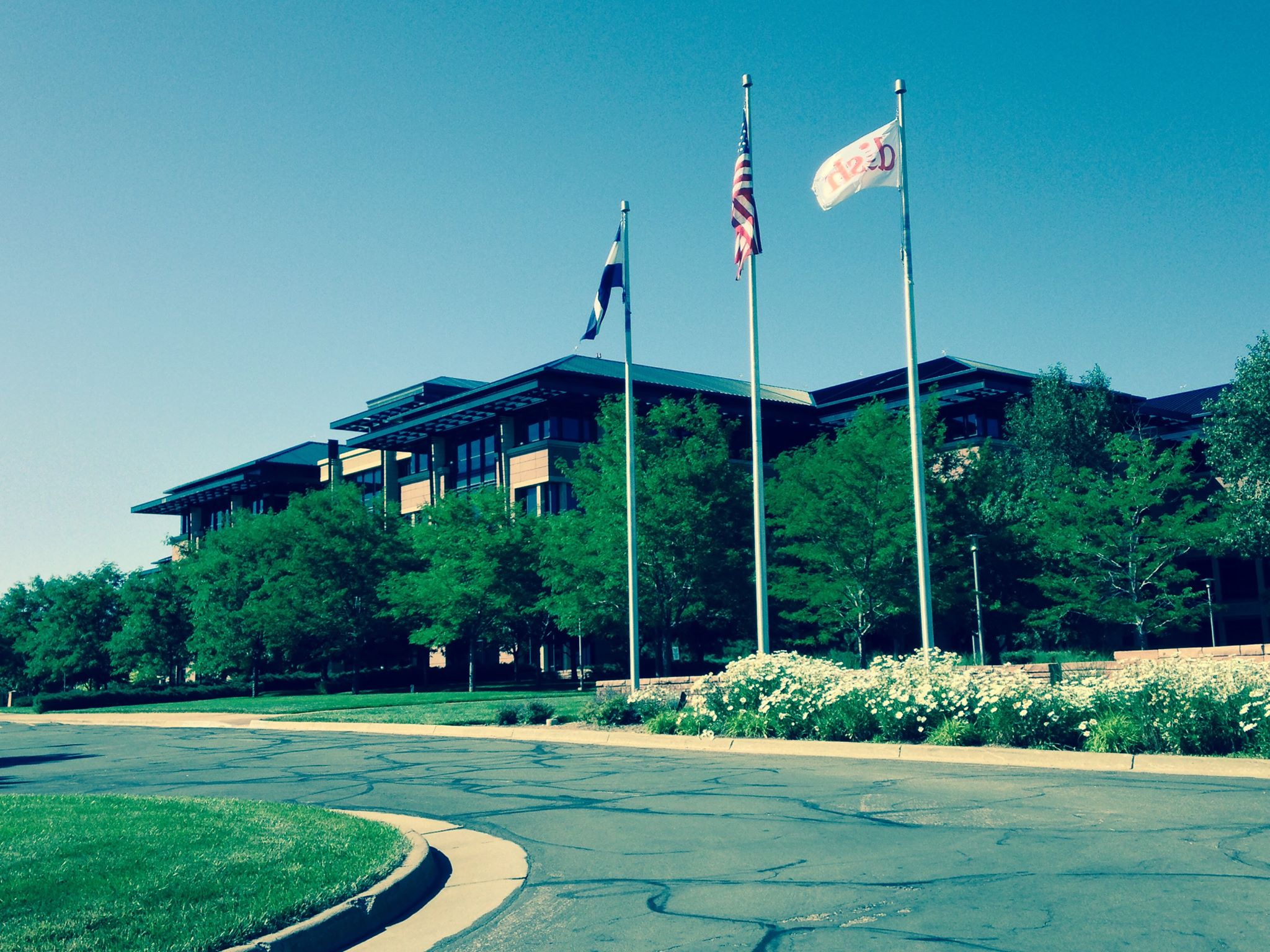
DISH Network's story begins with EchoStar Communications Corporation, founded by Charlie Ergen, Cantey Ergen, and Jim DeGraff. Initially, EchoStar focused on distributing C-band satellite equipment, a niche market for large, backyard dishes. The pivotal shift came when EchoStar launched its direct broadcast satellite (DBS) service under the DISH Network brand, utilizing the EchoStar I satellite. This move positioned DISH as a direct challenger to DirecTV and traditional cable providers, offering a more compact and accessible alternative for television consumption. The company's headquarters are located in Meridian, Colorado, a testament to its deep roots in the American West.
⚙️ How It Works
At its core, DISH Network operates by beaming television signals from geostationary satellites orbiting approximately 22,236 miles above the Earth. These signals are then captured by a small parabolic dish antenna installed at a subscriber's home, which reflects and focuses the waves onto a feedhorn. From there, the signal travels via coaxial cable to a set-top box, such as the Hopper DVR, which decodes the digital signal and converts it into a format viewable on a television. This process allows DISH to deliver hundreds of channels, including high-definition content, to millions of homes, often reaching areas where traditional cable infrastructure is unavailable or cost-prohibitive. The system relies on a complex network of ground stations, uplink facilities, and a fleet of satellites, including the EchoStar XIX, to ensure continuous service.
📊 Key Facts & Numbers
DISH Network holds a substantial portfolio of wireless spectrum licenses, valued in the tens of billions of dollars, which it acquired over several years. Its wireless arm, Boost Mobile, was acquired from T-Mobile in 2020 as part of the T-Mobile-Sprint merger. The company's market capitalization has fluctuated wildly, reflecting the volatile media and telecom landscape.
👥 Key People & Organizations
The driving force behind DISH Network has always been Charlie Ergen, its co-founder and long-time chairman. Known for his unconventional and often aggressive business strategies, Ergen has steered DISH through decades of technological shifts and intense competition. Other key figures include W. Erik Carlson, who served as CEO of DISH Network Corporation until 2023, and Hamid Akhavan, the current CEO of EchoStar, DISH's parent company. Organizations like ViacomCBS (now Paramount Global) and The Walt Disney Company have been crucial partners and adversaries, frequently engaging in carriage disputes over programming fees. The acquisition of Boost Mobile from T-Mobile in 2020 marked a significant strategic pivot, pushing DISH deeper into the wireless industry.
🌍 Cultural Impact & Influence
DISH Network's cultural impact is multifaceted, primarily by democratizing access to a wider array of television programming, particularly in rural areas underserved by cable. It played a significant role in the 'satellite wars' of the late 1990s and early 2000s, forcing cable companies to innovate and expand their offerings. The company's aggressive marketing, including its iconic 'Dish It Up!' campaigns, became synonymous with choice and value in home entertainment. Its innovation with the Hopper DVR and its 'AutoHop' feature sparked major controversies with broadcasters, highlighting the tension between content providers and distributors over advertising revenue and consumer control. Furthermore, its entry into streaming with Sling TV helped popularize the concept of 'skinny bundles,' influencing how consumers access live television without traditional subscriptions.
⚡ Current State & Latest Developments
As of early 2024, DISH Network is in a critical transition phase, grappling with declining satellite subscribers and the ambitious build-out of its DISH 5G network. This move saw Hamid Akhavan take the helm as CEO of the combined entity, with Charlie Ergen remaining Chairman. DISH continues to face intense competition from Comcast, Charter Communications, and a burgeoning list of streaming services like Netflix and Hulu. The success of its 5G network deployment, particularly its Open RAN architecture, is paramount to its long-term viability.
🤔 Controversies & Debates
DISH Network has been a magnet for controversy, most notably through its protracted carriage disputes with major broadcasters and content providers, including Fox Corporation, HBO, and Univision. These disputes often result in temporary blackouts for subscribers, leading to significant customer dissatisfaction and accusations of using subscribers as leverage. The 'AutoHop' feature on its Hopper DVR, which allowed users to automatically skip commercials, ignited a fierce legal battle with major networks, who argued it undermined their advertising revenue model. More recently, the company has faced scrutiny over the slow pace and financial strain of its 5G network buildout, with critics questioning its ability to compete effectively against established players like Verizon and AT&T.
🔮 Future Outlook & Predictions
The future of DISH Network hinges on its ability to successfully pivot from a legacy satellite provider to a competitive wireless carrier. Analysts predict a continued decline in traditional pay-TV subscribers, making the DISH 5G network its primary growth engine. Success will depend on securing strategic partnerships, attracting new subscribers to Boost Mobile, and potentially leveraging its extensive spectrum holdings through wholesale agreements. The long-term vision, articulated by Charlie Ergen, is to create a 'network of networks' that integrates satellite, wireless, and streaming services, offering a truly converged communications platform, though this remains a highly ambitious undertaking.
💡 Practical Applications
Beyond residential television, DISH Network's technology finds practical applications in various sectors. Its satellite infrastructure is crucial for providing television services to commercial establishments, such as hotels, restaurants, and bars, particularly in remote locations. The company's enterprise solutions also extend to providing connectivity for businesses and government entities. Furthermore, its expertise in satellite communications and network deployment is being leveraged in its ambitious DISH 5G network buildout, which aims to provide advanced wireless services. The Sling TV platform demonstrates a practical application of over-the-top (OTT) streaming, offering a more flexible and often more affordable alternative to traditional pay-TV bundles for consumers seeking specific content without a full cable subscription.
Key Facts
- Category
- platforms
- Type
- topic