
Contents
Overview
The concept of digital humans, or virtual humans, traces its lineage back to early computer graphics experiments in the mid-20th century. Early attempts at realistic human representation in film laid foundational groundwork. The 1990s saw significant strides with the advent of motion capture technology and more sophisticated rendering techniques. The early 2000s brought about more complex digital actors, notably in The Lord of the Rings trilogy, which utilized digital extras and enhanced performances. The rise of game engines like Unreal Engine and Unity in the 2010s further accelerated development, enabling real-time rendering and interactive digital humans, culminating in tools like MetaHuman Creator, which drastically lowered the barrier to entry for creating photorealistic digital humans.
⚙️ How It Works
Creating a digital human involves a complex interplay of technologies. Computer graphics techniques are used to model the character's geometry, textures, and shaders, aiming for photorealism. Motion capture technology, often employing specialized suits and markers, records the movements of real actors, which are then applied to the digital model to ensure naturalistic animation. AI, particularly deep learning and natural language processing, imbues these digital beings with intelligence, enabling them to converse, react, and exhibit personality. Machine learning algorithms are crucial for generating realistic facial expressions, lip-syncing, and nuanced body language, often trained on vast datasets of human behavior. Physically-based rendering (PBR) engines, like those found in Unreal Engine and Unity, simulate how light interacts with surfaces, contributing to the final, lifelike appearance.
📊 Key Facts & Numbers
The digital human market is experiencing explosive growth. Companies are investing heavily; Epic Games' MetaHuman Creator, launched in 2021, has been downloaded by over 300,000 users, democratizing access to high-fidelity digital assets. In the gaming sector, titles like The Matrix Awakens (2021) showcased the potential of Unreal Engine 5 to render digital humans with over 1.5 million polygons. The virtual influencer market alone is estimated to be worth hundreds of millions of dollars, with top virtual influencers like Lil Miquela reportedly earning upwards of $10,000 per post. By 2023, over 50% of major companies were exploring or implementing digital human technology for customer service and marketing.
👥 Key People & Organizations
Key figures and organizations are driving the digital human revolution. Nvidia's research into AI-driven avatars, such as their Omniverse platform, is pushing the boundaries of real-time collaboration and digital character creation. Companies like Soul Machines specialize in AI-powered digital people for customer service and engagement, working with clients like Airtel and ANZ Bank. Weta Digital (now Wētā FX), has a long history of creating groundbreaking digital characters for blockbuster films like Avatar. The video game Digital Human (2025), developed by Binary.games, is an example of a product built around this technology.
🌍 Cultural Impact & Influence
Digital humans are profoundly reshaping entertainment and media. They are increasingly replacing or augmenting human actors in films and television, offering greater creative control and cost-efficiency. In the gaming industry, they are central to creating immersive narrative experiences and believable non-player characters (NPCs). Beyond entertainment, virtual influencers like Lil Miquela have garnered significant followings on social media, influencing fashion and culture. The rise of digital humans as virtual assistants and companions, such as those developed by Soul Machines, also signals a shift in how we interact with technology, potentially altering social dynamics and the nature of human connection.
⚡ Current State & Latest Developments
The current landscape of digital humans is marked by rapid innovation and increasing integration across industries. In 2023-2024, there's a significant push towards real-time, interactive digital humans powered by advanced AI models capable of nuanced conversation and emotional expression. Companies like Google AI are developing more sophisticated conversational agents, while Meta continues to invest in its metaverse avatars. The gaming industry is seeing a surge in games featuring highly realistic digital characters, with Unreal Engine 5 becoming a standard for high-fidelity graphics. Furthermore, the development of AI-driven animation tools is accelerating the creation pipeline, making it faster and more affordable to produce digital humans for various applications, from marketing campaigns to virtual events.
🤔 Controversies & Debates
The proliferation of digital humans is not without its controversies. A primary concern revolves around the uncanny valley, the phenomenon where near-perfect but not quite flawless human replicas evoke feelings of unease or revulsion. Ethical debates surround the potential for digital humans to be used for deception, such as creating deepfakes or impersonating real individuals. Questions of authenticity and the impact on human relationships are also prominent; will reliance on digital companions diminish genuine human interaction? Furthermore, the use of digital actors raises issues regarding actor representation, intellectual property, and the potential displacement of human talent in creative industries. The development of AI-powered digital humans also brings forth concerns about data privacy and the ethical implications of creating sentient-like artificial beings.
🔮 Future Outlook & Predictions
The future of digital humans points towards even greater realism, interactivity, and integration into daily life. We can anticipate digital humans becoming indistinguishable from real humans in many contexts, powered by advancements in generative AI and neural rendering. Their roles will likely expand beyond entertainment and customer service to encompass education, therapy, and personal assistance. The metaverse concept, heavily reliant on digital avatars, will continue to drive demand for sophisticated digital humans. Experts predict that within the next decade, digital humans will be commonplace in virtual meetings, online education platforms, and even as personalized digital companions. The challenge will be to navigate the ethical and societal implications, ensuring that these technologies enhance, rather than detract from, human experience.
💡 Practical Applications
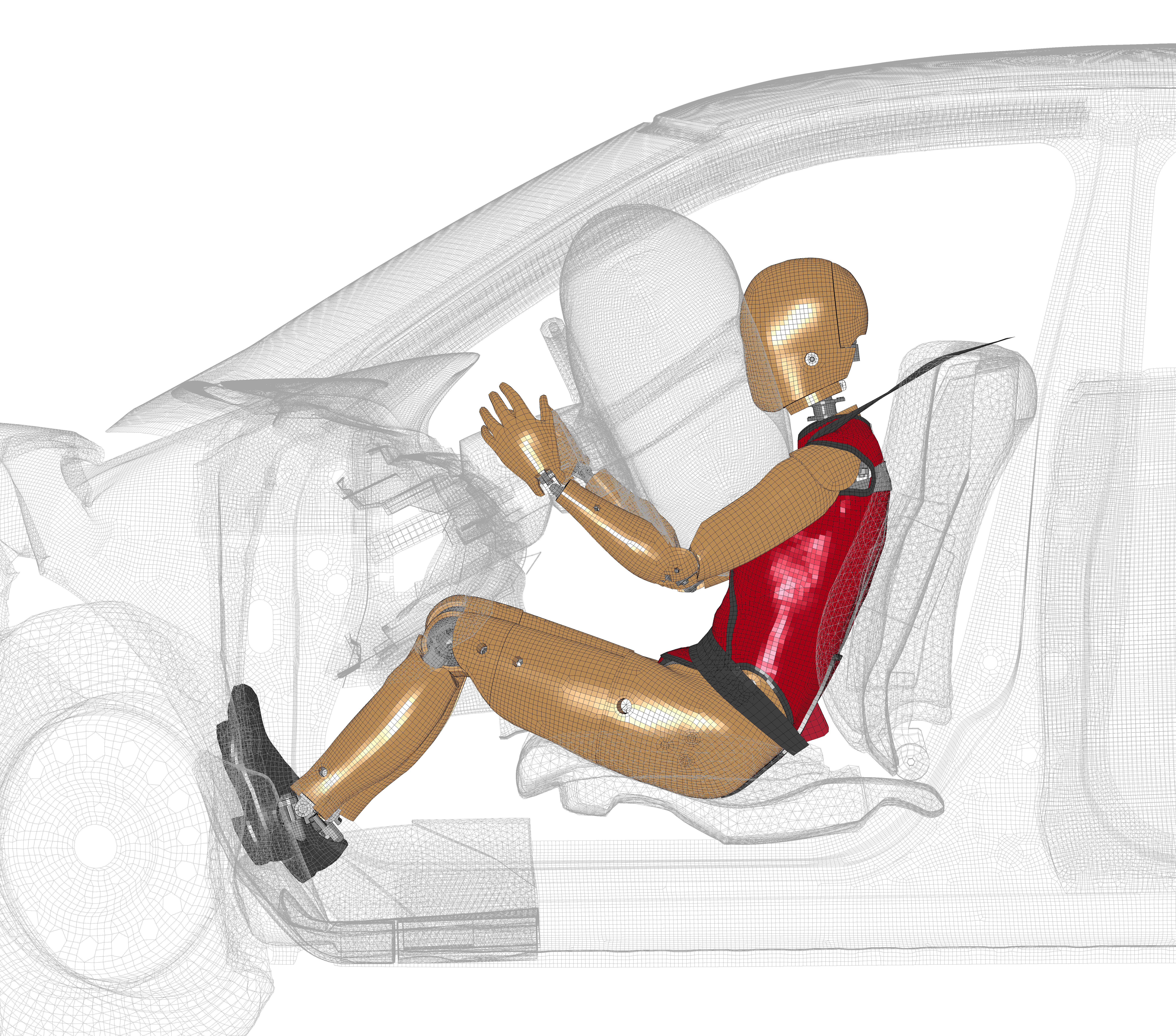
Digital humans have a wide array of practical applications. In the aerospace and automotive sectors, they are used for ergonomic studies and virtual prototyping, simulating human interaction with designs before physical production. The clothing industry employs them for virtual try-ons and fashion shows, reducing the need for physical models. In telecommunications, they serve as avatars for users in virtual environments and as customer service representatives, offering 24/7 support
Key Facts
- Category
- technology
- Type
- topic