
Contents
Overview
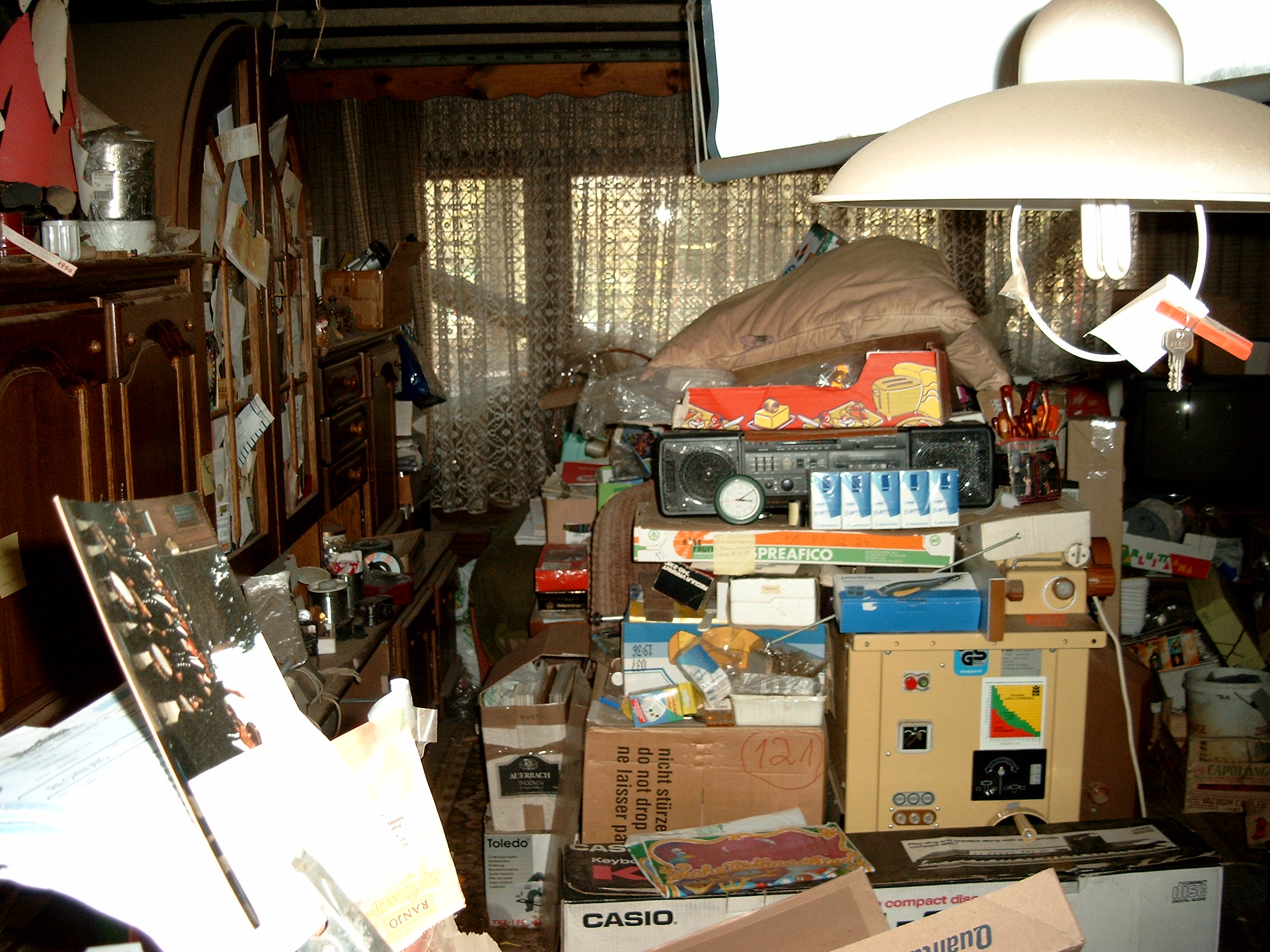
The concept of 'decluttering' itself has deep historical roots, with philosophies like minimalism advocating for intentional living and the removal of excess possessions dating back centuries. The practice draws parallels to physical decluttering, emphasizing intentionality and mindful consumption of digital resources. As our lives become increasingly digitized, mastering these strategies is crucial for maintaining control and deriving genuine value from technology, rather than being overwhelmed by it.
⚙️ How It Works
Digital decluttering operates on principles of intentionality, categorization, and systematic removal. It begins with an audit of digital assets: files, photos, emails, apps, subscriptions, and online accounts. Users then categorize these items based on utility, frequency of use, and emotional value, often employing frameworks like the KonMari method adapted for digital contexts. The core process involves deleting, archiving, or unsubscribing from non-essential elements. For instance, email decluttering might involve unsubscribing from newsletters using tools like Unroll.me and setting up filters. File management often utilizes cloud storage solutions like Google Drive or Dropbox for organization and backup, coupled with regular deletion of redundant or outdated documents. App management on smartphones involves uninstalling unused applications and disabling non-essential notifications to reduce distractions, a strategy popularized by productivity gurus like Cal Newport.
📊 Key Facts & Numbers
Many experience 'phantom vibration syndrome,' a psychosomatic response to perceived notifications.
👥 Key People & Organizations
Productivity experts like Cal Newport, author of 'Deep Work,' advocate for intentional technology use and minimizing digital distractions. Organizations like the Internet Archive play a role in preserving digital information, while companies like Google and Apple provide tools (e.g., Google Drive, iCloud) that facilitate digital organization. Tech ethicists and psychologists, such as Adam Alter, author of 'Irresistible,' analyze the addictive nature of digital platforms and the cognitive impact of constant connectivity, indirectly supporting the need for decluttering. The movement also involves numerous bloggers, podcasters, and online coaches who share practical strategies and foster community around digital minimalism.
🌍 Cultural Impact & Influence
Digital decluttering has significantly influenced modern lifestyle choices, promoting a more mindful approach to technology consumption. It has fueled the growth of the minimalism movement, extending its principles from physical possessions to digital ones. This shift has led to increased awareness of digital well-being and 'digital detox' trends, with many individuals actively seeking to reduce screen time and manage their online presence more intentionally. The concept has permeated corporate culture, with companies encouraging employees to manage digital workflows and reduce information overload. Furthermore, it has spurred the development of new apps and services designed to assist users in organizing their digital lives, from password managers like LastPass to file-sorting tools. The cultural impact is evident in the widespread discussion around 'digital hoarding' and the desire for greater control over one's digital footprint.
⚡ Current State & Latest Developments
The current state of digital decluttering is characterized by an ongoing arms race between the increasing volume of digital information and the development of tools and strategies to manage it. Platforms like Notion and Evernote are evolving to become comprehensive digital workspaces, aiding in consolidation. The concept of 'digital legacy' management—planning for what happens to one's digital assets after death—is also gaining traction, prompting more systematic digital organization. Furthermore, the rise of the metaverse and immersive digital environments presents new frontiers for digital clutter, necessitating proactive strategies for managing virtual assets and online identities. Concerns about digital privacy and data security also drive decluttering efforts, as users seek to minimize their online exposure.
🤔 Controversies & Debates
A central debate revolves around the definition of 'clutter' itself: is it purely about quantity, or does it encompass the quality and intentionality of digital engagement? Some critics argue that excessive focus on digital decluttering can become a form of digital hoarding, where the act of organizing itself becomes a procrastination tool. There's also tension between the desire for minimalism and the reality of modern digital life, where many services and platforms are interconnected and difficult to fully disentangle. The effectiveness of automated tools versus manual, mindful curation is another point of contention. Furthermore, the ethical implications of data deletion and the long-term consequences of discarding digital history are subjects of ongoing discussion, particularly concerning personal archives and historical records managed by entities like the Internet Archive.
🔮 Future Outlook & Predictions
The future of digital decluttering will likely be shaped by advancements in artificial intelligence and machine learning, which will automate more organizational tasks. We can expect more sophisticated AI assistants capable of proactive digital hygiene, anticipating user needs and managing data flow. The concept may expand to encompass virtual environments, with 'metaverse decluttering' becoming a recognized practice. As digital identities become more complex, tools for managing and curating online personas will become crucial. There's also a projected increase in demand for professional digital organizers and consultants. By 2030, it's anticipated that digital decluttering will be integrated into operating systems and productivity suites as a standard feature, rather than a niche practice, driven by the increasing cognitive load of digital existence.
💡 Practical Applications
Digital decluttering strategies are applied across numerous domains. For individuals, it means optimizing smartphone usage by uninstalling unused apps, managing notifications, and organizing photo libraries using services like Google Photos. Professionals use these techniques to manage email inboxes, organize project files on platforms like Microsoft OneDrive, and maintain clean digital workspaces. Businesses employ digital decluttering to streamline data management, reduce storage costs, and improve cybersecurity by purging old, unnecessary data. Educators and students use it to organize research materials, manage online learning platforms, and maintain focus during study sessions. Even artists and crea
Key Facts
- Category
- technology
- Type
- topic