
Contents
Overview
The concept of digital civil liberties has its roots in the early days of the internet, when pioneers like John Perry Barlow and Vint Cerf advocated for a free and open online space. As the internet grew in popularity, concerns about online censorship, surveillance, and privacy began to emerge. In response, organizations like the Electronic Frontier Foundation (EFF) and the American Civil Liberties Union (ACLU) were founded to protect digital civil liberties. Today, these organizations continue to play a crucial role in shaping online policies and advocating for individual freedoms, often in collaboration with tech companies like Google and Facebook.
📊 How It Works
Digital civil liberties are essential for maintaining a healthy and vibrant online ecosystem. They include the right to freedom of expression, which is protected by the First Amendment in the United States, as well as the right to privacy, which is guaranteed by the Fourth Amendment. However, as governments and corporations increasingly collect and analyze online data, these rights are under threat. The USA PATRIOT Act, for example, expanded the authority of law enforcement agencies to conduct surveillance on individuals, while the General Data Protection Regulation (GDPR) in the European Union has imposed strict regulations on data collection and processing. Companies like Amazon and Microsoft must navigate these complex regulatory landscapes to ensure they are protecting user data while also complying with government requests.
🌍 Cultural Impact
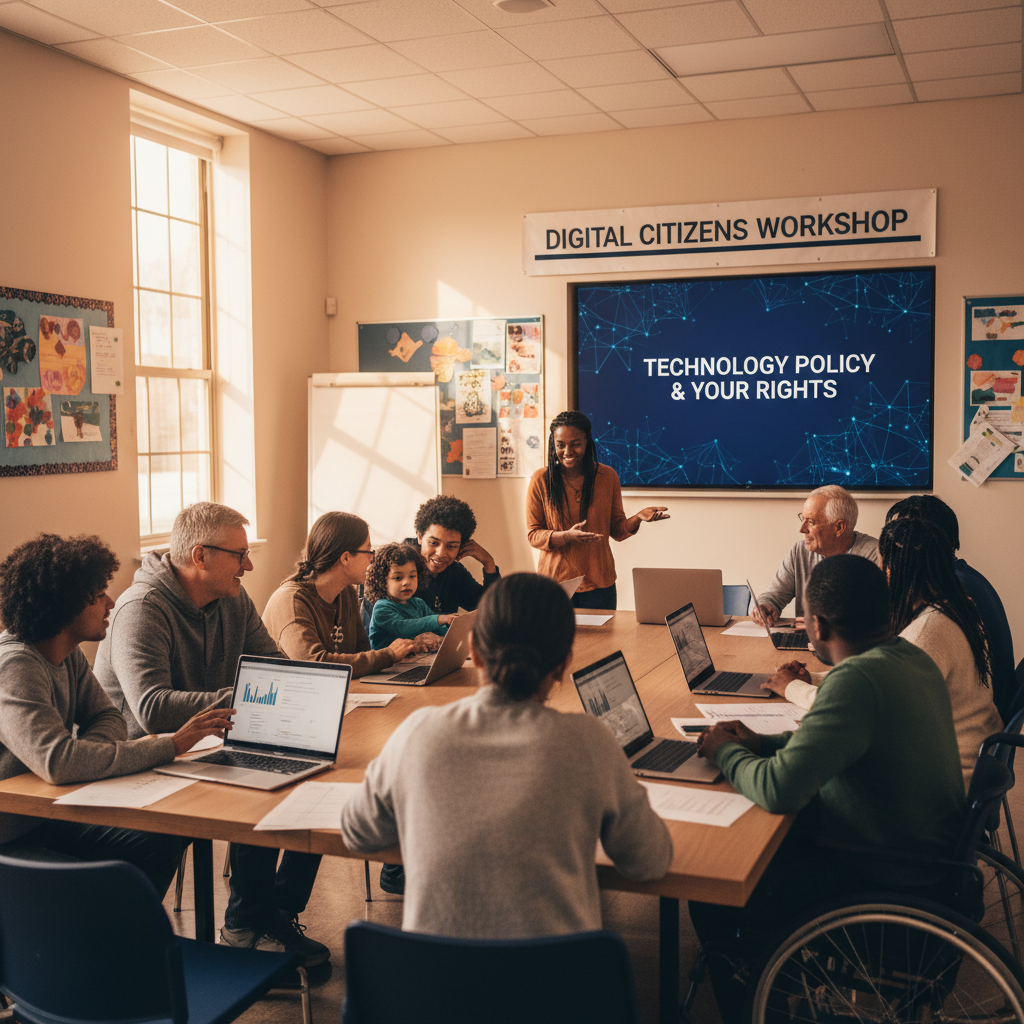
The cultural impact of digital civil liberties cannot be overstated. The internet has enabled unprecedented levels of global communication and collaboration, fostering the growth of online communities and social movements. However, it has also created new challenges, such as the spread of misinformation and online harassment. To address these issues, organizations like the Knight Foundation and the Mozilla Foundation are working to promote digital literacy and online civic engagement, often in partnership with educational institutions like Harvard University and Stanford University. As the online landscape continues to evolve, it is essential that we prioritize digital civil liberties to ensure that the internet remains a powerful tool for social change and individual empowerment, rather than a means of control and oppression.
🔮 Legacy & Future
The future of digital civil liberties is uncertain, as governments and corporations continue to push the boundaries of online regulation and surveillance. However, there are also reasons to be optimistic. The rise of decentralized technologies like blockchain and Tor has created new opportunities for individuals to protect their online privacy and security. Additionally, the growing awareness of digital civil liberties has sparked a global conversation about the importance of protecting human rights in the digital age, with leaders like Tim Berners-Lee and Julian Assange advocating for a free and open internet. As we move forward, it is essential that we prioritize digital civil liberties and work towards creating a more just and equitable online world, one that balances the needs of individuals, governments, and corporations.
Key Facts
- Year
- 1996
- Origin
- United States
- Category
- technology
- Type
- concept
Frequently Asked Questions
What are digital civil liberties?
Digital civil liberties refer to the fundamental rights and freedoms that individuals have in the digital sphere, including freedom of expression, privacy, and access to information. These rights are protected by organizations like the Electronic Frontier Foundation (EFF) and the American Civil Liberties Union (ACLU), and are essential for maintaining a healthy and vibrant online ecosystem. Companies like Google and Facebook must navigate complex regulatory landscapes to ensure they are protecting user data while also complying with government requests.
Why are digital civil liberties important?
Digital civil liberties are important because they enable individuals to express themselves freely online, access information, and participate in global conversations. They also protect individuals from government and corporate overreach, ensuring that the internet remains a powerful tool for social change and individual empowerment. The rise of decentralized technologies like blockchain and Tor has created new opportunities for individuals to protect their online privacy and security, but also raises new challenges for governments and corporations.
What are some challenges to digital civil liberties?
Some challenges to digital civil liberties include government surveillance, corporate data collection, and online harassment. These challenges can be addressed through a combination of technological solutions, such as encryption and anonymization, and policy changes, such as the passage of laws that protect individual freedoms. Organizations like the Knight Foundation and the Mozilla Foundation are working to promote digital literacy and online civic engagement, and to address the social and cultural implications of digital civil liberties.
How can I protect my digital civil liberties?
You can protect your digital civil liberties by using encryption and anonymization tools, such as Tor and VPNs, and by being mindful of the information you share online. You can also support organizations that advocate for digital civil liberties, such as the Electronic Frontier Foundation (EFF) and the American Civil Liberties Union (ACLU). Additionally, you can participate in online campaigns and activism efforts, such as the annual Reset the Net campaign, to raise awareness about digital civil liberties and to push for policy changes that protect individual freedoms.
What is the future of digital civil liberties?
The future of digital civil liberties is uncertain, as governments and corporations continue to push the boundaries of online regulation and surveillance. However, there are also reasons to be optimistic, as the growing awareness of digital civil liberties has sparked a global conversation about the importance of protecting human rights in the digital age. The rise of decentralized technologies and the increasing demand for online privacy and security are likely to shape the future of digital civil liberties, and will require ongoing efforts from individuals, organizations, and governments to protect and promote these essential rights.