
Contents
Overview
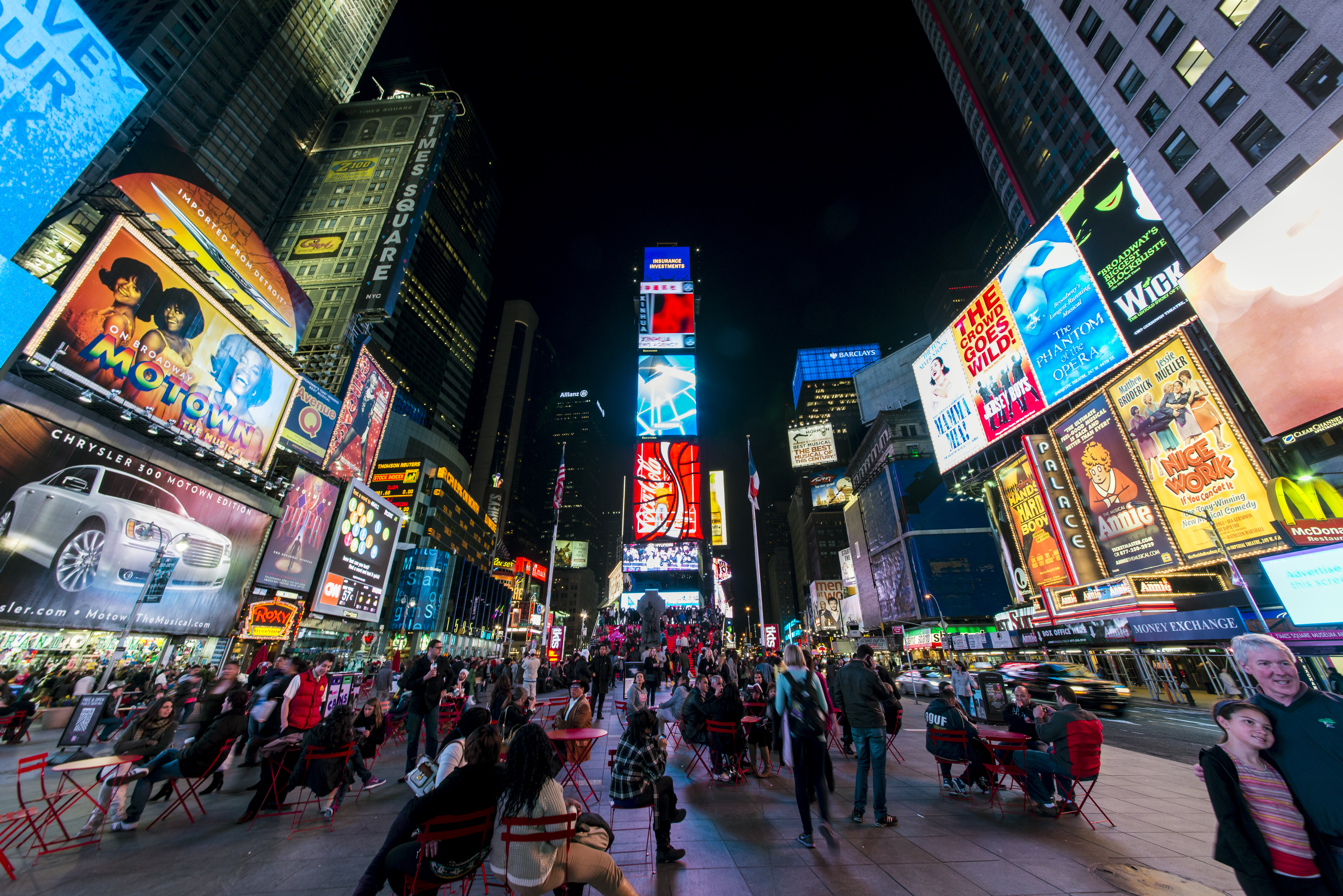
Digital billboards, also known as electronic billboards or digital out-of-home (DOOH) displays, represent a significant evolution in outdoor advertising. These large-format screens replace traditional static printed advertisements with dynamic, computer-controlled visual content that can be updated remotely and in real-time. Primarily deployed in high-traffic areas like highways, city centers, and transit hubs, they offer advertisers unparalleled flexibility, targeting capabilities, and engagement potential. The technology behind them, encompassing LED, LCD, and projection systems, has advanced rapidly, enabling richer media formats, interactive features, and data-driven campaigns. As urban environments become increasingly saturated with digital information, digital billboards are not just advertising tools but also integral components of the modern cityscape, shaping public perception and influencing consumer behavior on a massive scale.
🎵 Origins & History
The genesis of digital billboards can be traced back to the early 20th century with the advent of illuminated signage and animated displays. Companies like Lamar Advertising Company and Clear Channel Outdoor were instrumental in deploying these early digital networks, moving beyond single-site installations to interconnected advertising platforms.
⚙️ How It Works
At their core, digital billboards function as sophisticated display systems managed by specialized software. The visual content, typically high-resolution images or video, is stored on a central server or a local media player connected to the display. This content is then transmitted to the billboard via a network connection, which can be wired or wireless. Modern digital billboards often utilize LED technology, where individual diodes are arranged to form pixels, allowing for immense brightness and durability. LCD screens are also employed, particularly for smaller or indoor digital signage. Advanced systems incorporate content management systems (CMS) that allow advertisers to schedule campaigns, target specific demographics based on time of day or location, and even respond to real-time data feeds, such as weather or traffic conditions, to dynamically alter advertisements.
📊 Key Facts & Numbers
The global digital out-of-home (DOOH) advertising market is a colossal enterprise. In the United States alone, outdoor advertising generates $8.5 billion. It's estimated that over 200,000 digital billboards are currently in operation worldwide, with major deployments in cities like New York, London, Tokyo, and Shanghai.
👥 Key People & Organizations
Several key figures and organizations have shaped the digital billboard industry. John P. McCall, former CEO of Clear Channel Outdoor, was a prominent leader in the expansion of digital out-of-home advertising networks. Lamar Advertising Company, founded by John Lamar Sr., has been a consistent innovator in outdoor advertising, including early adoption of digital formats. OOH Today serves as a vital industry publication and resource, tracking market trends and company developments. Technology providers like Daktronics and Sylvania (now Ledvance) are crucial for supplying the advanced LED components that power these massive displays. The Out-of-Home Advertising Association of America (OAAA) actively lobbies and sets standards for the industry, advocating for the growth and integration of digital billboards.
🌍 Cultural Impact & Influence
Digital billboards have profoundly reshaped the urban visual landscape and advertising paradigms. They have transformed static, often overlooked, roadside spaces into dynamic media channels, influencing consumer behavior and brand perception. The ability to display eye-catching video and animated content has elevated outdoor advertising from mere information dissemination to an immersive experience. This shift has also led to the rise of programmatic DOOH, where ad space can be bought and sold in real-time, similar to online advertising, allowing for more precise targeting and campaign optimization. Furthermore, digital billboards have become canvases for public art, emergency alerts, and community messaging, blurring the lines between commercial advertising and public service announcements, a trend exemplified by initiatives like Times Square Arts.
⚡ Current State & Latest Developments
The digital billboard sector is currently experiencing rapid innovation driven by advancements in artificial intelligence and IoT technology. Many digital billboards are now equipped with sensors that can anonymously collect data on audience demographics, dwell time, and even emotional responses, enabling hyper-targeted advertising. Companies like Vistar Media are at the forefront of programmatic DOOH platforms, facilitating automated ad buying and selling. The integration of augmented reality features, allowing viewers to interact with billboards via their smartphones, is also an emerging trend. Furthermore, the push for more sustainable and energy-efficient displays, utilizing advanced LED technology and smart power management, is a significant development in the industry.
🤔 Controversies & Debates
The proliferation of digital billboards is not without its detractors. Concerns about light pollution, particularly from large screens in residential areas, are frequently raised, leading to regulations in many municipalities. The potential for distraction to drivers is another major point of contention, with studies like those from the National Highway Traffic Safety Administration (NHTSA) examining the impact of dynamic visual stimuli on road safety. Ethical debates also surround the use of audience-tracking technology, with privacy advocates questioning the collection and use of anonymous viewer data. The visual clutter of an urban environment increasingly dominated by large, bright screens is also a source of aesthetic criticism, with some arguing it detracts from the urban experience.
🔮 Future Outlook & Predictions
The future of digital billboards points towards greater interactivity, personalization, and integration with other digital platforms. Expect to see more billboards that respond to individual viewers via facial recognition (anonymously, of course) or smartphone proximity, delivering tailored advertisements. The convergence of DOOH with mobile advertising will become even more pronounced, with campaigns designed to bridge the physical and digital worlds seamlessly. Advancements in 5G networks will enable even faster content delivery and more complex real-time interactions. Furthermore, the use of digital billboards for non-advertising purposes, such as smart city infrastructure, public information systems, and even as components of metaverse experiences, is likely to expand significantly.
💡 Practical Applications
Digital billboards serve a multitude of practical applications beyond traditional advertising. They are crucial for public service announcements, broadcasting emergency alerts during natural disasters or public safety crises, as seen during hurricane warnings in coastal regions. In transportation hubs like airports and train stations, they provide real-time flight and train information, as well as wayfinding assistance. Retailers use them for dynamic in-store promotions and brand messaging. Sports arenas and entertainment venues deploy them for live scoring, replays, and fan engagement. Even in urban planning, digital billboards can be integrated into street furniture to provide localized information and services, acting as interactive kiosks.
Key Facts
- Category
- technology
- Type
- topic