
Contents
Overview
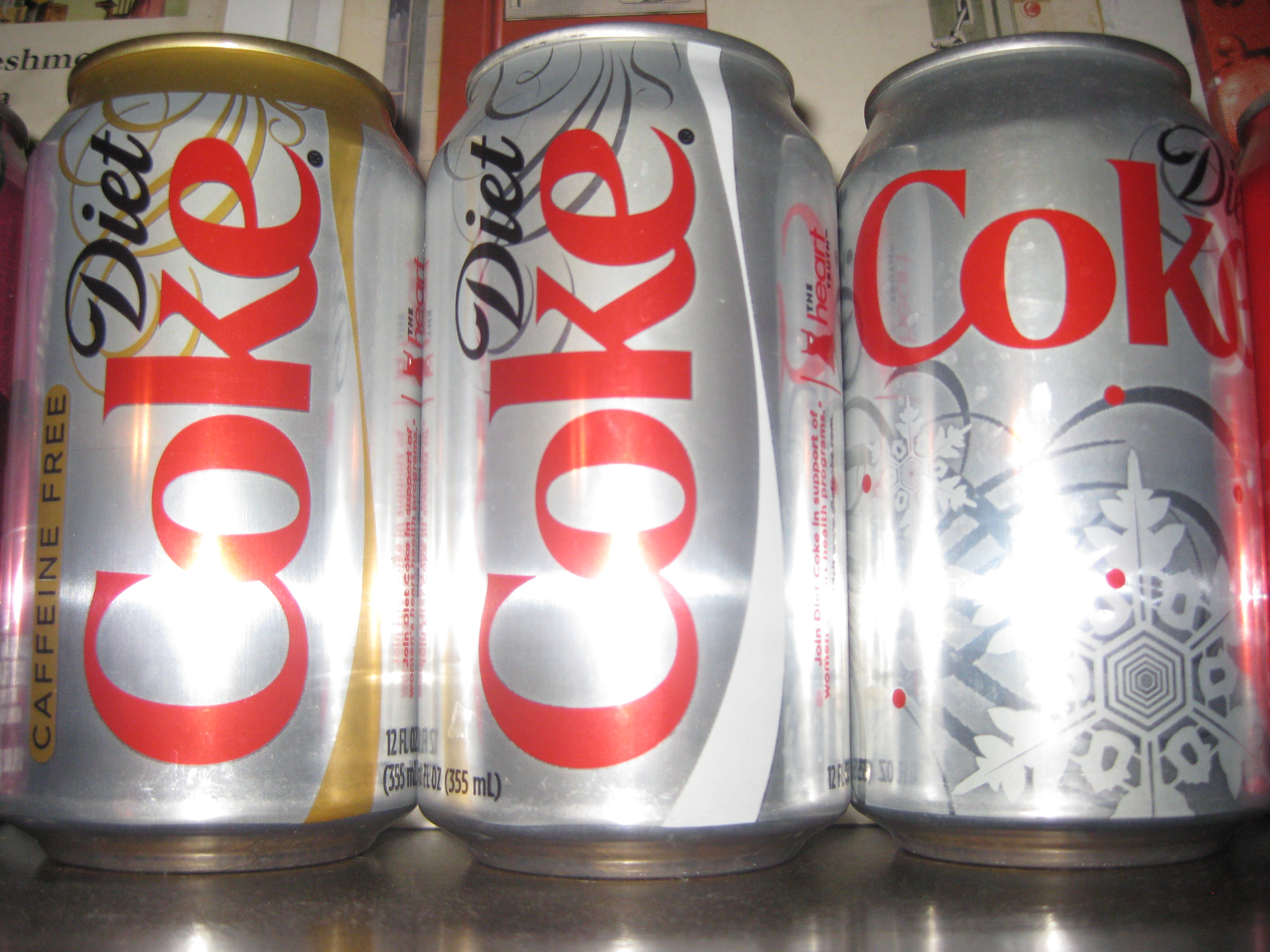
Diet soda, a type of sugar-free or artificially sweetened soft drink, has been a staple in many diets since its introduction in 1952 with No-Cal, the first diet soda. With its promise of zero calories and great taste, diet soda has become a popular choice for those looking to reduce their sugar intake. However, the health effects of diet soda have been a topic of debate, with some studies suggesting a link to health problems such as obesity, diabetes, and tooth decay. Despite this, diet soda remains a widely consumed beverage, with popular brands like Coke Zero and Diet Coke leading the market. With the rise of health-conscious consumers, the demand for low-calorie and sugar-free drinks is on the rise, and diet soda is at the forefront of this trend. As the FDA continues to monitor the safety of artificial sweeteners, the future of diet soda remains uncertain. Will diet soda continue to be a popular choice, or will consumers turn to alternative beverages like seltzer water or unsweetened tea?
🎵 Origins & History
Diet soda has a rich history, dating back to 1952 when Kirsch Bottling Company introduced the first diet soda, No-Cal. This sugar-free and calorie-free soda was marketed towards people with diabetes and those who wanted to reduce their sugar intake. Since then, diet soda has become a staple in many diets, with popular brands like Coke Zero and Diet Coke leading the market. The introduction of diet soda was a game-changer for the beverage industry, as it provided a low-calorie alternative to traditional soda. As the demand for diet soda grew, so did the number of brands and flavors available, with companies like Pepsi and Dr Pepper introducing their own lines of diet soda.
⚙️ How It Works
Diet soda works by using artificial sweeteners like aspartame and sucralose to provide a sweet taste without the calories. These sweeteners are commonly used in diet soda and are approved by the FDA. However, some studies have suggested that these sweeteners may have negative health effects, such as headaches and digestive problems. Despite this, diet soda remains a popular choice for those looking to reduce their sugar intake. The production process of diet soda is similar to that of regular soda, with the exception of the sweetening agent used. Companies like Coca-Cola and Pepsi use a combination of natural and artificial ingredients to create their diet soda flavors.
📊 Key Facts & Numbers
The demand for diet soda is driven by the growing health-conscious consumer market, with many people looking for low-calorie and sugar-free alternatives to traditional soda. According to some sources, the diet soda market is expected to experience growth, reportedly driven by consumer demand for healthier options. As the market continues to grow, companies like Coca-Cola and Pepsi are investing in new products and flavors to meet the demand.
👥 Key People & Organizations
Key organizations in the diet soda industry include the American Diabetes Association and the American Heart Association, which have played a significant role in promoting diet soda as a healthy alternative to traditional soda. However, some critics argue that these organizations have been influenced by the soda industry and have failed to adequately address the potential health risks associated with diet soda. As the debate over diet soda continues, companies like Coca-Cola and Pepsi are working to improve their products and address consumer concerns.
🌍 Cultural Impact & Influence
Diet soda has had a significant cultural impact, with many people relying on it as a low-calorie alternative to traditional soda. However, the health effects of diet soda have been a topic of debate, with some studies suggesting a link to health problems such as obesity, diabetes, and tooth decay. Despite this, diet soda remains a widely consumed beverage, with many people using it as a way to manage their weight and reduce their sugar intake. As the health-conscious consumer market continues to grow, the demand for low-calorie and sugar-free drinks is on the rise, and diet soda is at the forefront of this trend. Companies like Coca-Cola and Pepsi are responding to this trend by introducing new products and flavors.
⚡ Current State & Latest Developments
The current state of the diet soda market is one of growth and innovation, with many companies introducing new products and flavors to meet the demand for low-calorie and sugar-free drinks. However, the market is also facing challenges, such as the growing trend towards natural and organic products, and the increasing scrutiny of artificial sweeteners. As the FDA continues to monitor the safety of artificial sweeteners, the future of diet soda remains uncertain. Will diet soda continue to be a popular choice, or will consumers turn to alternative beverages like seltzer water or unsweetened tea? Companies like Coca-Cola and Pepsi are working to address these challenges and improve their products, but the outcome remains to be seen.
🤔 Controversies & Debates
The controversy surrounding diet soda is centered around the potential health effects of artificial sweeteners, such as aspartame and sucralose. Some studies have suggested that these sweeteners may have negative health effects, such as headaches and digestive problems. However, other studies have found no link between diet soda and health problems. The debate over diet soda has been fueled by conflicting research and misinformation, with some critics arguing that the soda industry has influenced the research and downplayed the potential health risks. As the debate continues, companies like Coca-Cola and Pepsi are working to improve their products and address consumer concerns.
🔮 Future Outlook & Predictions
The future of diet soda is uncertain, as the market continues to evolve and consumers become more health-conscious. As the demand for natural and organic products grows, the demand for diet soda may decline. However, companies like Coca-Cola and Pepsi are working to innovate and improve their products, introducing new flavors and sweeteners that are more natural and sustainable. The introduction of new products has helped to revitalize the market, but the long-term impact remains to be seen. As the market continues to evolve, one thing is certain: the future of diet soda will be shaped by consumer demand and the ongoing debate over the health effects of artificial sweeteners.
💡 Practical Applications
Diet soda has many practical applications, from managing weight to reducing sugar intake. Many people use diet soda as a low-calorie alternative to traditional soda, and it has become a staple in many diets. However, some critics argue that diet soda is not a healthy alternative, and that it can have negative health effects. As the debate over diet soda continues, companies like Coca-Cola and Pepsi are working to improve their products and address consumer concerns.
Key Facts
- Category
- culture
- Type
- product