
Contents
Overview
Devotions can take many forms, depending on the individual's faith tradition and personal preferences. Some common practices include prayer, meditation, reading of sacred texts, and acts of service. In Christianity, devotions are often directed towards specific figures such as Mary, the mother of Jesus, and can involve rituals like novenas, the veneration of icons, and the wearing of scapulars. Other faith traditions, such as Islam and Buddhism, also have their own unique devotional practices, such as the five daily prayers in Islam and the practice of mindfulness in Buddhism. The Sufi movement in Islam emphasizes the importance of devotional love and intimacy with God through practices like dhikr and sama. The Yoga tradition in Hinduism also emphasizes the importance of devotional practices, such as pranayama and meditation.
⚙️ How It Works
Key people and organizations have played a significant role in shaping devotional practices throughout history. For example, the Catholic Church's emphasis on Marian devotions has led to the creation of numerous works of art, literature, and music dedicated to the Blessed Virgin Mary. Other organizations, such as the Bible Society, have worked to make scripture more accessible and promote devotional reading. The Christian Meditation movement, founded by John Main, has also played a significant role in promoting devotional practices, particularly among Catholics and Anglicans. The Quakers have also emphasized the importance of devotional practices, such as the Inner Light, in their spiritual tradition.
📊 Key Facts & Numbers
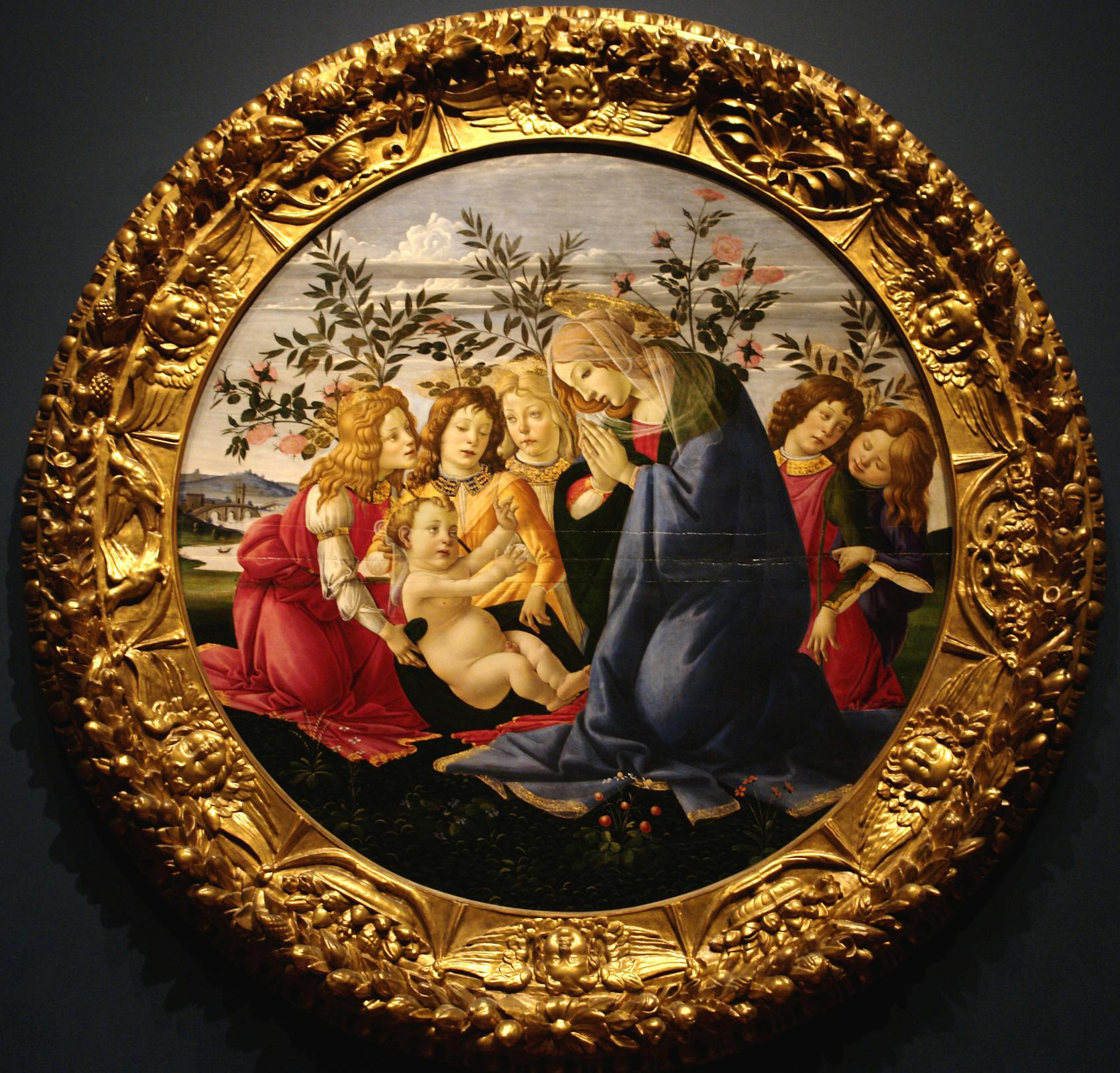
Devotions have had a cultural impact and influence on individuals and society as a whole. The Catholic Church's emphasis on Marian devotions has led to the creation of numerous works of art, literature, and music dedicated to the Blessed Virgin Mary. The Sufi movement in Islam emphasizes the importance of devotional love and intimacy with God, which can promote social justice and compassion.
👥 Key People & Organizations
The current state of devotions is one of diversity and growth, with many individuals and organizations promoting devotional practices through various media and technologies. Social media platforms like Instagram and Facebook have also become popular spaces for sharing devotional thoughts and practices, with many users creating and sharing their own devotional content.
🌍 Cultural Impact & Influence
Despite their importance, devotions are not without controversy and debate. Some critics argue that devotional practices can be overly individualistic, neglecting the importance of community and social action. Others have raised concerns about the commercialization of devotions, with many companies profiting from the sale of devotional materials and resources.
⚡ Current State & Latest Developments
Looking to the future, devotions are likely to continue to play a vital role in the spiritual lives of individuals and communities. As technology continues to evolve, it is likely that devotional practices will become even more accessible and diverse, with many new resources and tools becoming available to support individuals in their spiritual journeys.
🤔 Controversies & Debates
Practical applications of devotions are numerous and varied, depending on the individual's faith tradition and personal preferences. For example, many Christians find it helpful to set aside a specific time each day for prayer and scripture reading, while others may prefer to incorporate devotional practices into their daily routines, such as during commutes or breaks at work. The Lectio Divina method, for instance, involves a slow and contemplative reading of scripture, which can help individuals to deepen their understanding and appreciation of the text.
Key Facts
- Category
- culture
- Type
- topic