
Contents
- 🔧 Introduction to DevOps Toolchain
- 💻 Evolution of DevOps: A Historical Perspective
- 📈 Benefits of Implementing a DevOps Toolchain
- 🔩 Key Components of a DevOps Toolchain
- 📊 Metrics for Measuring DevOps Success
- 🚀 Implementing a DevOps Toolchain: Best Practices
- 🤝 Collaboration and Communication in DevOps
- 🚫 Common Challenges in DevOps Toolchain Implementation
- 📚 DevOps Toolchain Security: A Critical Consideration
- 🔜 The Future of DevOps: Trends and Predictions
- 📊 Case Studies: Real-World Examples of DevOps Success
- Frequently Asked Questions
- Related Topics
Overview
The DevOps toolchain is a critical component of modern software development, encompassing a broad range of tools and processes that facilitate collaboration, automation, and continuous improvement. With a vibe score of 8, the DevOps toolchain has become a cultural phenomenon, with companies like Amazon, Google, and Microsoft investing heavily in its development and implementation. The toolchain typically includes tools for version control (e.g., Git), continuous integration and delivery (e.g., Jenkins, Travis CI), monitoring and logging (e.g., Prometheus, ELK Stack), and collaboration (e.g., Slack, Trello). As of 2022, the DevOps market is projected to reach $10.3 billion by 2025, with a growth rate of 20% per annum. However, the toolchain is not without its challenges, with 70% of companies citing integration and interoperability as major pain points. Despite these challenges, the DevOps toolchain has revolutionized the way software is developed, delivered, and operated, with companies like Netflix and Etsy achieving significant improvements in quality, reliability, and time-to-market.
🔧 Introduction to DevOps Toolchain
The DevOps toolchain is a crucial component of modern software development, enabling teams to collaborate, automate, and deliver high-quality software quickly and efficiently. As discussed in DevOps, the practice of DevOps has become increasingly popular in recent years, with many organizations adopting Agile methodologies and Continuous Integration to improve their software development processes. The DevOps toolchain typically includes a range of tools, such as Jenkins, Git, and Docker, which work together to automate and streamline the software development lifecycle. By implementing a DevOps toolchain, organizations can improve their software quality, reduce time-to-market, and increase their overall competitive advantage. For more information on DevOps, see DevOps Toolchain.
💻 Evolution of DevOps: A Historical Perspective
The concept of DevOps has evolved significantly over the years, with its roots in the Agile Manifesto and the DevOps movement. As discussed in History of DevOps, the term 'DevOps' was first coined in 2009, and since then, it has become a widely accepted practice in the software development industry. The evolution of DevOps has been influenced by various factors, including the adoption of Cloud Computing, Containerization, and Microservices Architecture. Today, DevOps is a critical component of modern software development, with many organizations relying on DevOps tools to improve their software development processes. For more information on the history of DevOps, see DevOps Movement.
📈 Benefits of Implementing a DevOps Toolchain
Implementing a DevOps toolchain can bring numerous benefits to an organization, including improved Collaboration between development and operations teams, increased Efficiency in software development and deployment, and enhanced Customer Satisfaction. As discussed in Benefits of DevOps, a well-implemented DevOps toolchain can also help organizations to reduce their Time-to-Market, improve their Software Quality, and increase their overall Competitive Advantage. Additionally, a DevOps toolchain can help organizations to improve their Incident Management and Problem Management processes, leading to reduced Downtime and improved System Availability. For more information on the benefits of DevOps, see DevOps Benefits.
🔩 Key Components of a DevOps Toolchain
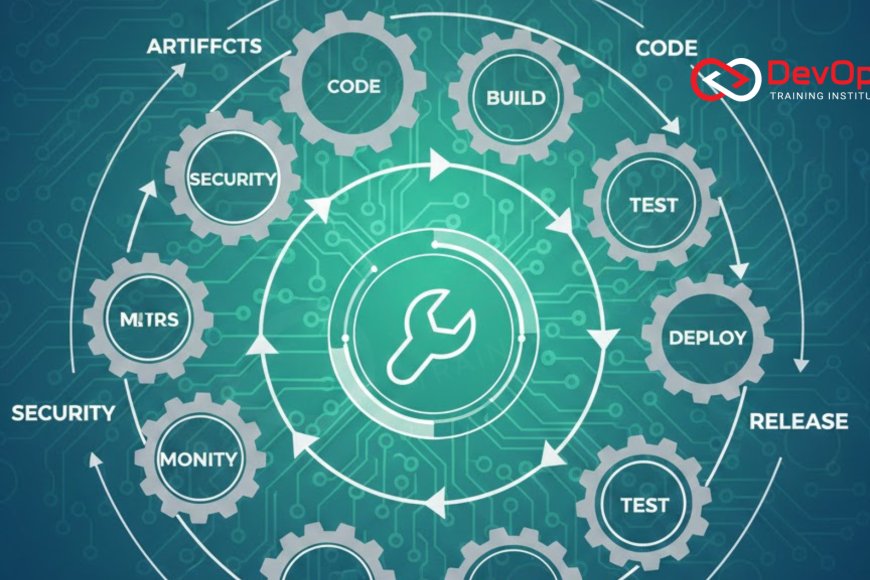
A typical DevOps toolchain consists of several key components, including Version Control Systems such as Git, Continuous Integration Tools such as Jenkins, and Continuous Deployment Tools such as Docker. As discussed in DevOps Toolchain Components, these tools work together to automate and streamline the software development lifecycle, from Code Development to Deployment. Other key components of a DevOps toolchain include Monitoring Tools such as Prometheus, Logging Tools such as ELK Stack, and Security Tools such as OWASP. For more information on DevOps toolchain components, see DevOps Tools.
📊 Metrics for Measuring DevOps Success
To measure the success of a DevOps toolchain, organizations can use a range of metrics, including Deployment Frequency, Lead Time, Mean Time to Recovery, and Change Failure Rate. As discussed in DevOps Metrics, these metrics can help organizations to identify areas for improvement and optimize their DevOps toolchain for better performance. Additionally, organizations can use Customer Satisfaction metrics, such as Net Promoter Score, to measure the impact of their DevOps toolchain on their customers. For more information on DevOps metrics, see DevOps Metrics.
🚀 Implementing a DevOps Toolchain: Best Practices
Implementing a DevOps toolchain requires careful planning and execution, with a focus on Collaboration between development and operations teams. As discussed in DevOps Implementation, organizations should start by identifying their Business Goals and Key Performance Indicators, and then select the DevOps Tools that best support these goals. Additionally, organizations should establish a Culture of Collaboration and Continuous Learning, with a focus on Experimentation and Innovation. For more information on DevOps implementation, see DevOps Implementation.
🤝 Collaboration and Communication in DevOps
Collaboration and communication are critical components of a successful DevOps toolchain, with a focus on Cross-Functional Teams and Open Communication. As discussed in DevOps Collaboration, organizations should establish clear Roles and Responsibilities and Communication Channels, with a focus on Transparency and Trust. Additionally, organizations should use Collaboration Tools such as Slack and Trello to facilitate communication and collaboration between teams. For more information on DevOps collaboration, see DevOps Collaboration.
🚫 Common Challenges in DevOps Toolchain Implementation
Implementing a DevOps toolchain can be challenging, with common obstacles including Cultural Resistance, Technical Debt, and Lack of Skills. As discussed in DevOps Challenges, organizations should address these challenges by establishing a Culture of Collaboration and Continuous Learning, with a focus on Experimentation and Innovation. Additionally, organizations should use DevOps Tools such as Jenkins and Docker to automate and streamline their software development lifecycle. For more information on DevOps challenges, see DevOps Challenges.
📚 DevOps Toolchain Security: A Critical Consideration
Security is a critical consideration in DevOps, with a focus on Security by Design and Security by Default. As discussed in DevOps Security, organizations should use Security Tools such as OWASP and SAST to identify and remediate security vulnerabilities in their software development lifecycle. Additionally, organizations should establish a Culture of Security, with a focus on Transparency and Trust. For more information on DevOps security, see DevOps Security.
🔜 The Future of DevOps: Trends and Predictions
The future of DevOps is likely to be shaped by trends such as Cloud Native, Artificial Intelligence, and Machine Learning. As discussed in Future of DevOps, organizations should be prepared to adapt to these trends by investing in DevOps Tools and Skills Training. Additionally, organizations should establish a Culture of Innovation, with a focus on Experimentation and Innovation. For more information on the future of DevOps, see Future of DevOps.
📊 Case Studies: Real-World Examples of DevOps Success
There are many real-world examples of DevOps success, with organizations such as Amazon, Google, and Microsoft using DevOps to improve their software development processes. As discussed in DevOps Case Studies, these organizations have achieved significant benefits from their DevOps implementations, including improved Collaboration, increased Efficiency, and enhanced Customer Satisfaction. For more information on DevOps case studies, see DevOps Case Studies.
Key Facts
- Year
- 2010
- Origin
- Patrick Debois and Andrew Clay Shafer, who coined the term 'DevOps' in 2009
- Category
- Software Development
- Type
- Concept
Frequently Asked Questions
What is a DevOps toolchain?
A DevOps toolchain is a set of tools that work together to automate and streamline the software development lifecycle, from code development to deployment. It typically includes tools such as version control systems, continuous integration tools, and continuous deployment tools. For more information, see DevOps Toolchain.
What are the benefits of implementing a DevOps toolchain?
The benefits of implementing a DevOps toolchain include improved collaboration between development and operations teams, increased efficiency in software development and deployment, and enhanced customer satisfaction. It can also help organizations to reduce their time-to-market, improve their software quality, and increase their overall competitive advantage. For more information, see Benefits of DevOps.
What are the key components of a DevOps toolchain?
The key components of a DevOps toolchain include version control systems, continuous integration tools, continuous deployment tools, monitoring tools, logging tools, and security tools. These tools work together to automate and streamline the software development lifecycle. For more information, see DevOps Toolchain Components.
How do I measure the success of a DevOps toolchain?
To measure the success of a DevOps toolchain, organizations can use metrics such as deployment frequency, lead time, mean time to recovery, and change failure rate. These metrics can help organizations to identify areas for improvement and optimize their DevOps toolchain for better performance. For more information, see DevOps Metrics.
What are the common challenges in implementing a DevOps toolchain?
The common challenges in implementing a DevOps toolchain include cultural resistance, technical debt, and lack of skills. Organizations should address these challenges by establishing a culture of collaboration and continuous learning, with a focus on experimentation and innovation. For more information, see DevOps Challenges.
How do I ensure security in my DevOps toolchain?
To ensure security in your DevOps toolchain, organizations should use security tools such as OWASP and SAST to identify and remediate security vulnerabilities in their software development lifecycle. Additionally, organizations should establish a culture of security, with a focus on transparency and trust. For more information, see DevOps Security.
What is the future of DevOps?
The future of DevOps is likely to be shaped by trends such as cloud native, artificial intelligence, and machine learning. Organizations should be prepared to adapt to these trends by investing in DevOps tools and skills training. Additionally, organizations should establish a culture of innovation, with a focus on experimentation and innovation. For more information, see Future of DevOps.