
Contents
- Introduction to Democratization of Access
- Education and Democratization
- Healthcare and Access
- Financial Inclusion and Access
- Technology and Democratization
- Key Players and Organizations
- Challenges and Future Directions
- Case Studies and Success Stories
- Further Reading and Resources
- Conclusion and Next Steps
- References
Overview
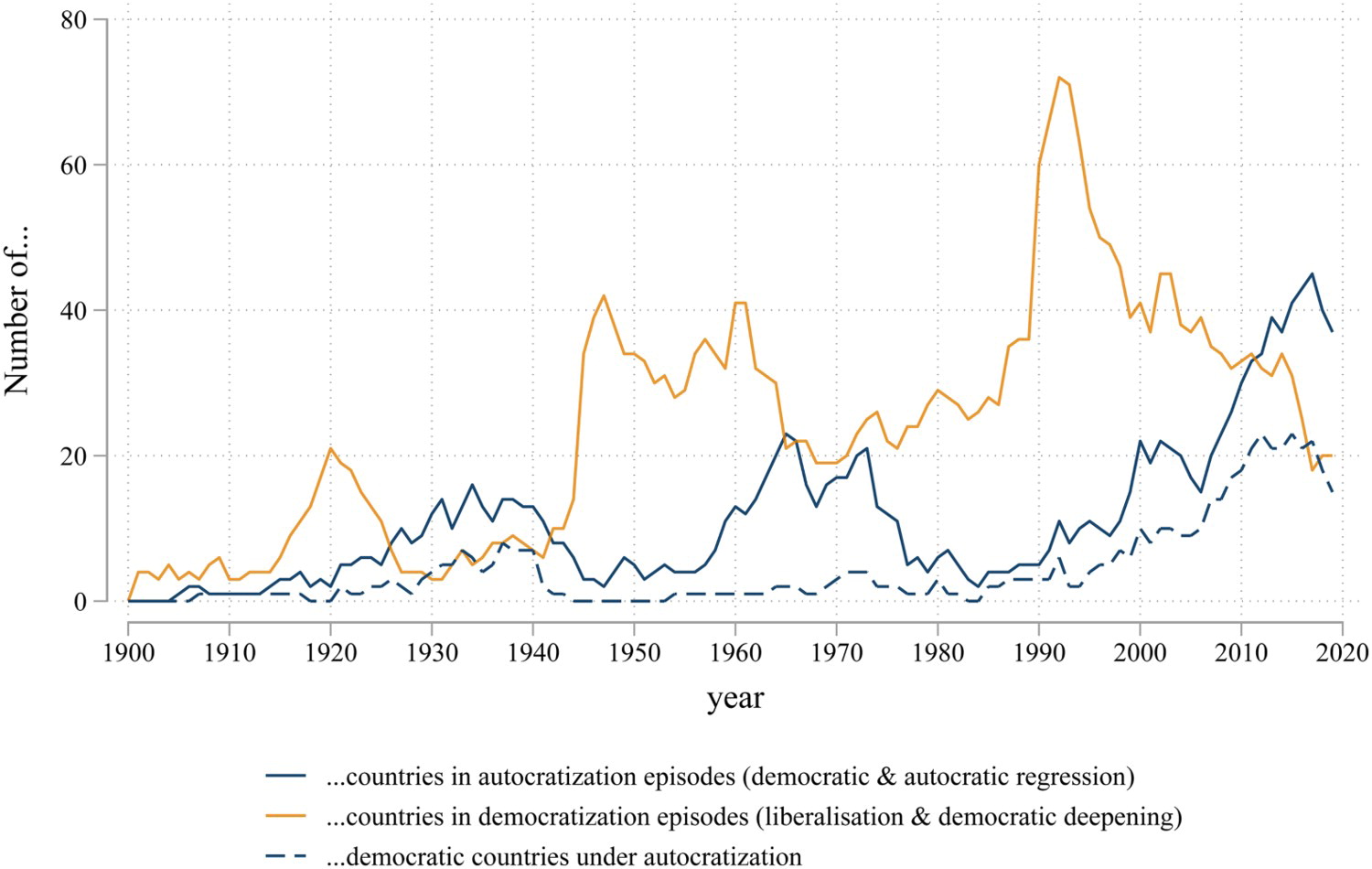
Democratization of access refers to the process of making resources, opportunities, and services more widely available to all segments of society, regardless of their socioeconomic status, geographic location, or other factors. This concept is closely related to democratization, which involves the transition from an authoritarian government to a more democratic political regime. The democratization of access is driven by advances in technology, changes in societal values, and the efforts of organizations and individuals committed to promoting equality and fairness. As a result, people from diverse backgrounds can now access education, healthcare, financial services, and other essential resources that were previously out of reach. The impact of democratization of access is significant, with potential benefits including improved economic mobility, better health outcomes, and increased social cohesion. However, challenges remain, such as addressing the digital divide, ensuring equal access to quality education, and promoting financial inclusion. Key players in this space include organizations like the World Bank, United Nations, and Bill and Melinda Gates Foundation, which are working to expand access to vital resources and services. With the continued advancement of technology and the growing recognition of the importance of equality and fairness, the democratization of access is likely to remain a major focus of efforts to create a more just and equitable society.
Introduction to Democratization of Access
Democratization of access refers to the process of making resources, opportunities, and services more widely available to all segments of society. The democratization of access is driven by a range of factors, including advances in technology, changes in societal values, and the efforts of organizations and individuals committed to promoting equality and fairness. For example, the Khan Academy has provided free online education to millions of people around the world, while Medecins Sans Frontieres has expanded access to healthcare services in areas affected by conflict or natural disasters.
Education and Democratization
Education is a critical area where democratization of access is having a significant impact. With the rise of online learning platforms, people from all over the world can now access high-quality educational resources and courses that were previously only available to a select few. This has opened up new opportunities for people to acquire skills, knowledge, and qualifications, and has helped to level the playing field in terms of access to education.
Healthcare and Access
Healthcare is another area where democratization of access is making a significant difference. With the development of telemedicine and other digital health technologies, people can now access medical care and advice remotely, regardless of their location or socioeconomic status. This has helped to improve health outcomes, particularly in rural or underserved areas, and has reduced the burden on healthcare systems. Organizations like Medecins Sans Frontieres and Red Cross are working to expand access to healthcare services, especially in areas affected by conflict or natural disasters.
Financial Inclusion and Access
Financial inclusion is a critical aspect of democratization of access, as it enables people to access financial services, such as banking, credit, and insurance, which are essential for economic mobility and stability. With the rise of mobile banking and digital payment systems, people can now access financial services remotely, without the need for physical branches or infrastructure. This has helped to expand access to financial services, particularly in underserved or rural areas, and has reduced the risk of financial exclusion. Organizations like the World Bank and Bill and Melinda Gates Foundation are working to promote financial inclusion and expand access to financial services.
Technology and Democratization
Technology is a key driver of democratization of access, as it enables people to access information, resources, and services remotely, without the need for physical infrastructure or intermediaries. The internet has been a game-changer, as it has enabled people to access vast amounts of information, connect with others, and participate in online communities and networks.
Key Players and Organizations
A range of organizations and individuals are working to promote democratization of access, including governments, NGOs, and private sector companies. These organizations are using a variety of strategies, including policy advocacy, community outreach, and technology development, to expand access to resources, services, and information. For example, the World Bank is working to expand access to financial services, particularly in developing countries, while the Bill and Melinda Gates Foundation is working to expand access to financial services, particularly in Africa and Asia.
Challenges and Future Directions
Despite the progress that has been made, there are still significant challenges to democratization of access. One of the main challenges is the digital divide, which refers to the gap between those who have access to digital technologies and those who do not. This divide can exacerbate existing inequalities, particularly in terms of access to education, healthcare, and financial services.
Case Studies and Success Stories
There are many case studies and success stories that demonstrate the impact of democratization of access. For example, the Khan Academy has provided free online education to millions of people around the world, while Medecins Sans Frontieres has expanded access to healthcare services in areas affected by conflict or natural disasters. The M-Pesa mobile banking system has also expanded access to financial services in Africa, particularly in rural areas.
Further Reading and Resources
For those who want to learn more about democratization of access, there are many resources available. The World Bank and United Nations have published numerous reports and studies on the topic, while organizations like the Bill and Melinda Gates Foundation and Khan Academy have developed online courses and resources.
Conclusion and Next Steps
In conclusion, democratization of access is a critical concept that has the potential to create a more just and equitable society. By expanding access to resources, services, and information, we can help to level the playing field and promote economic mobility, social cohesion, and better health outcomes. However, there are still significant challenges to be addressed, and it will require the efforts of governments, NGOs, private sector companies, and individuals to achieve universal access to resources and services.
Key Facts
- Category
- culture
- Type
- topic