
Contents
Overview
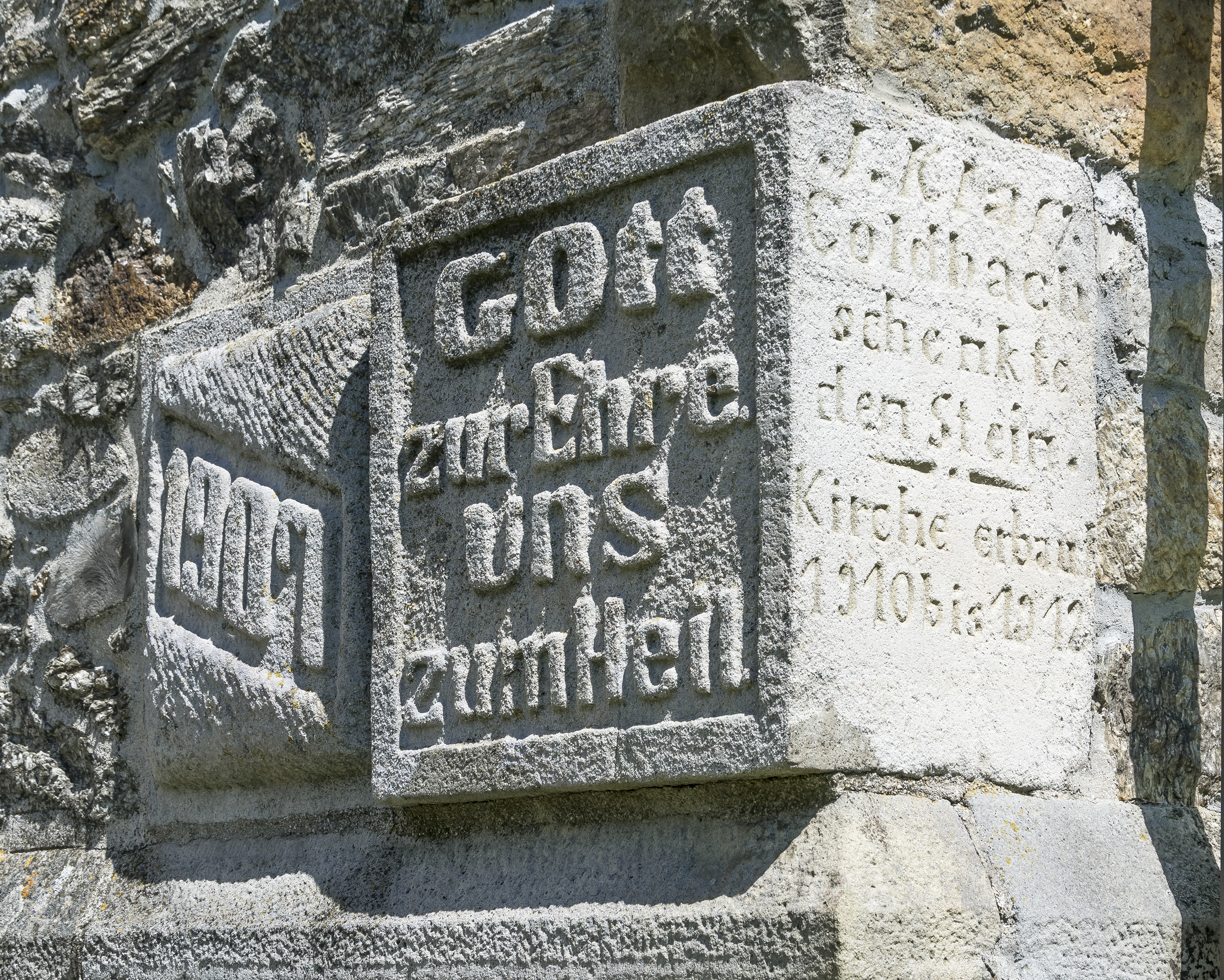
Over centuries, the practical function of dedication stones evolved into a ceremonial act, with inscribed stones commemorating construction dates, key figures like architects and builders, and sometimes housing time capsules. These stones are not merely structural elements but potent symbols of permanence, memory, and collective endeavor, found across diverse cultures from ancient Aztec monuments in Mexico to the cornerstones of civic buildings worldwide.
🎵 Origins & History
In ancient Egypt, foundation deposits, which sometimes included inscribed stones, were common in the construction of temples and tombs. The Romans formalized the cornerstone, often inscribing it with the date and names of officials, a practice that directly influenced later European traditions. The Sun Stone served as monumental calendars and ritualistic markers.
⚙️ How It Works
Inscriptions typically detail the date of commencement, the names of the building's patrons, architects, and builders, and sometimes the name of the reigning monarch or significant civic leaders. More elaborate stones might conceal a time capsule, a metal box containing contemporary newspapers, coins, documents, and artifacts, intended to be discovered by future generations.
📊 Key Facts & Numbers
Projects like the ongoing construction of major infrastructure in China and India frequently incorporate such ceremonial markers.
👥 Key People & Organizations
Architects like Sir Christopher Wren were instrumental in establishing the ceremonial laying of cornerstones for major edifices like St. Paul's Cathedral in London. In the context of ancient monuments, figures like Moctezuma II would have overseen the placement of significant stones for Aztec temples. Organizations such as the Freemasons have historically played a prominent role in conducting cornerstone-laying ceremonies, lending them a ritualistic and fraternal dimension.
🌍 Cultural Impact & Influence
The ceremonial aspect of laying a cornerstone has become a cultural touchstone, often televised or widely reported, symbolizing community pride and the promise of future development.
⚡ Current State & Latest Developments
The practice of including time capsules remains popular, with contents often curated to reflect current societal values and technological advancements.
🤔 Controversies & Debates
Debates surrounding dedication stones often center on authenticity and interpretation.
🔮 Future Outlook & Predictions
The future of dedication stones will likely see a blend of tradition and innovation. While the ceremonial laying of a physical stone may continue, there's a growing interest in digital cornerstones—embedding digital archives, augmented reality markers, or blockchain-verified historical data within or alongside physical markers. This could allow for richer, more dynamic storytelling and easier access to historical information for future generations. As urban development continues globally, particularly in rapidly growing cities like Lagos and Jakarta, the need to mark significant constructions and preserve their history will persist. The challenge will be to adapt the concept of the dedication stone to a world increasingly defined by digital information and ephemeral media, ensuring these markers remain relevant and meaningful.
💡 Practical Applications
Dedication stones have numerous practical applications beyond their ceremonial role. They serve as crucial reference points for historical research, helping archaeologists and historians date structures and understand the context of their construction. In urban planning, they can help identify the original footprint and phases of development for historic districts. For property owners, a
Key Facts
- Category
- history
- Type
- topic