
Contents
Overview
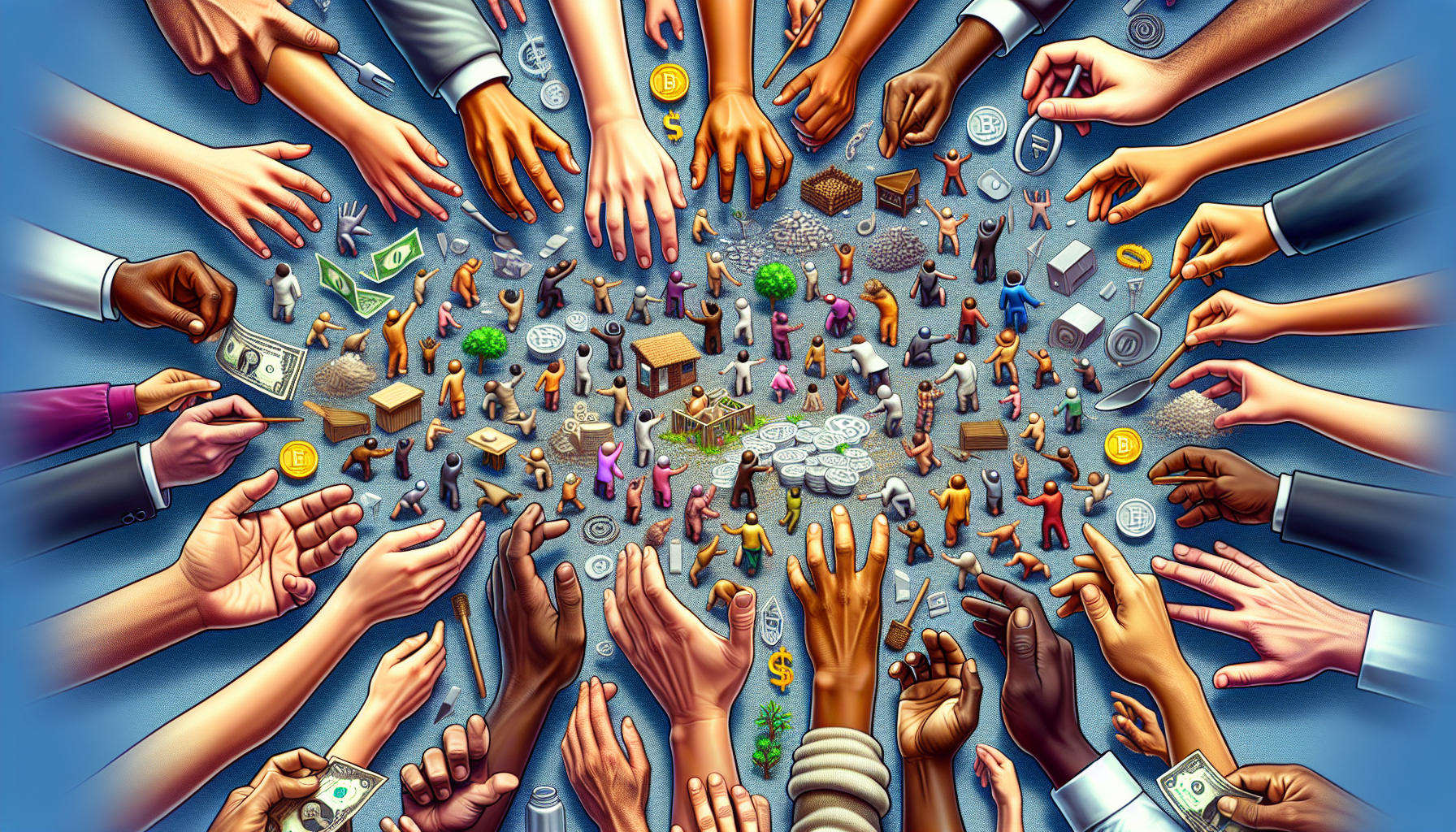
Decentralized ownership is a concept that has been explored in various fields, including economics, politics, and technology. It involves the distribution of ownership and control of assets among a network of individuals or entities, rather than a single central authority. This approach has been made possible by the development of blockchain technology, which enables secure, transparent, and tamper-proof transactions. For example, the Ethereum blockchain, developed by Vitalik Buterin, has enabled the creation of decentralized applications (dApps) and decentralized finance (DeFi) platforms, such as Uniswap and Aave, which have gained popularity in recent years. Additionally, companies like Twitter, founded by Jack Dorsey, and Wikipedia, founded by Jimmy Wales, have also explored decentralized ownership models.
📈 Benefits and Challenges
The benefits of decentralized ownership include increased security, transparency, and community involvement. By distributing ownership and control among a network of individuals, decentralized ownership models can reduce the risk of single-point failures and increase the resilience of the system. Furthermore, decentralized ownership can also promote community-driven decision making, as seen in platforms like Reddit, where users can participate in governance and decision-making processes. However, decentralized ownership also presents challenges, such as scalability, regulatory compliance, and the need for complex governance structures. Experts like Tim Berners-Lee and Noam Chomsky have discussed the potential benefits and challenges of decentralized ownership, highlighting the need for careful consideration and planning when implementing such models.
🔒 Blockchain and Decentralized Finance (DeFi)
Blockchain technology has played a crucial role in the development of decentralized ownership models. By enabling secure, transparent, and tamper-proof transactions, blockchain technology has made it possible to create decentralized applications (dApps) and decentralized finance (DeFi) platforms. For example, the Ethereum blockchain has enabled the creation of decentralized lending platforms, such as Compound and MakerDAO, which have gained popularity in recent years. Additionally, blockchain technology has also enabled the creation of decentralized governance models, such as decentralized autonomous organizations (DAOs), which have been used to manage decentralized ownership models. Companies like Google, founded by Larry Page and Sergey Brin, and Microsoft, founded by Bill Gates, have also explored the use of blockchain technology for decentralized ownership and governance.
🌈 Community-Driven Decision Making
Community-driven decision making is a key aspect of decentralized ownership models. By involving a network of individuals in the decision-making process, decentralized ownership models can promote community engagement and participation. For example, the Reddit community has been involved in governance and decision-making processes, such as the creation of community-driven content moderation policies. Similarly, decentralized finance (DeFi) platforms, such as Uniswap and Aave, have also involved their communities in governance and decision-making processes. Experts like Lex Fridman and Joe Rogan have discussed the potential benefits and challenges of community-driven decision making, highlighting the need for careful consideration and planning when implementing such models.
Key Facts
- Year
- 2008
- Origin
- Global
- Category
- technology
- Type
- concept
Frequently Asked Questions
What is decentralized ownership?
Decentralized ownership refers to a system where assets, such as companies, organizations, or platforms, are owned and controlled by a distributed network of individuals or entities, rather than a single central authority.
What are the benefits of decentralized ownership?
The benefits of decentralized ownership include increased security, transparency, and community involvement.
What are the challenges of decentralized ownership?
The challenges of decentralized ownership include scalability, regulatory compliance, and the need for complex governance structures.
What is the role of blockchain technology in decentralized ownership?
Blockchain technology plays a crucial role in decentralized ownership by enabling secure, transparent, and tamper-proof transactions.
What are some examples of decentralized ownership models?
Examples of decentralized ownership models include Ethereum, Uniswap, and Aave, which have gained popularity in recent years.