
Contents
Overview
De Humani Corporis Fabrica was written by Andreas Vesalius, a Flemish anatomist and physician, who is often referred to as the 'father of modern anatomy'. Vesalius was born in 1514 in Brussels, Belgium, and studied medicine at the University of Paris, where he was influenced by the works of Galen and Ibn Sina. However, Vesalius soon became disillusioned with the prevailing anatomical knowledge of his time, which was largely based on the works of Galen and other ancient authorities. He began to conduct his own dissections and observations, often in secret, due to the taboo surrounding human dissection at the time. Vesalius's work was also influenced by the artistic and scientific developments of the Renaissance, including the works of Leonardo da Vinci and Michelangelo.
🔍 How It Was Written
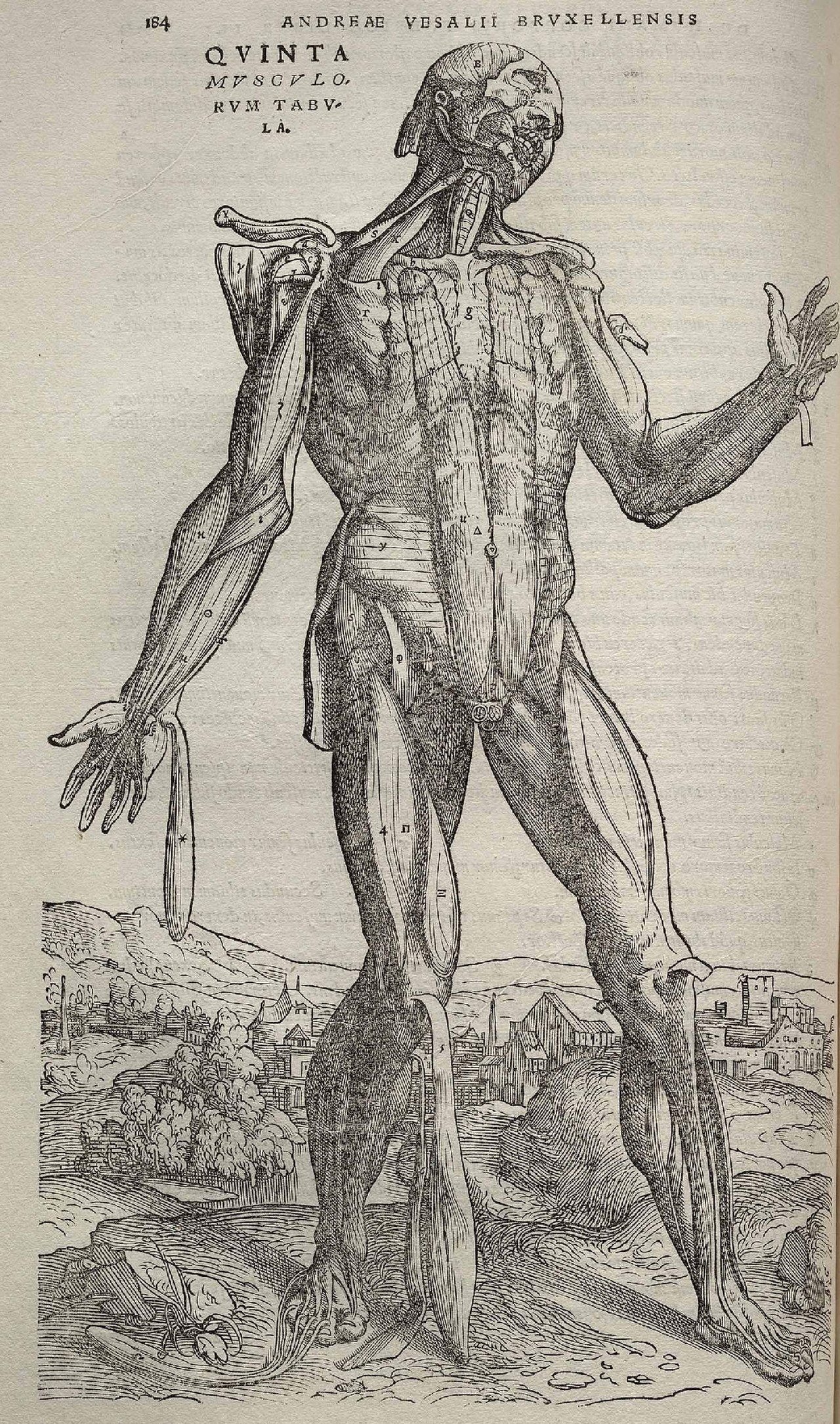
The writing of De Humani Corporis Fabrica was a laborious process that spanned several years. Vesalius worked closely with the artist Jan van Calcar, who created the detailed illustrations that accompany the text. The book was published in 1543 in Basel, Switzerland, and was dedicated to Emperor Charles V. De Humani Corporis Fabrica was a massive work, consisting of over 700 pages and including more than 200 detailed illustrations of the human body. The book was written in Latin, which was the language of science at the time, and was intended for a audience of medical professionals and scholars. The work was also influenced by the scientific and philosophical ideas of the time, including the concept of humanism, which emphasized the potential of human beings to achieve great things through education and reason.
🌍 Cultural Impact
De Humani Corporis Fabrica had a profound impact on the development of modern medicine. The book's detailed illustrations and descriptions of the human body helped to correct many errors in the understanding of anatomy that had been perpetuated by Galen and other ancient authorities. The work also influenced the development of surgery, as it provided a more accurate understanding of the human body and its various systems. Notable figures such as Ambroise Paré and William Harvey were influenced by De Humani Corporis Fabrica, and the book remains a seminal work in the history of science. The work was also praised by other notable figures of the time, including the French surgeon Pierre Franco and the English physician John Banister.
🔮 Legacy & Future
Today, De Humani Corporis Fabrica is recognized as a landmark work in the history of science. The book's detailed illustrations and descriptions of the human body continue to inspire medical professionals and historians alike. The work has been translated into many languages and has been the subject of numerous scholarly studies and commentaries. De Humani Corporis Fabrica is also a testament to the power of human curiosity and the importance of challenging established knowledge. As the historian and philosopher of science, Thomas Kuhn, once noted, 'De Humani Corporis Fabrica was a revolutionary work that changed the way we think about the human body and its place in the natural world'.
Key Facts
- Year
- 1543
- Origin
- Basel, Switzerland
- Category
- science
- Type
- concept
Frequently Asked Questions
What is De Humani Corporis Fabrica?
De Humani Corporis Fabrica is a medical textbook written by Andreas Vesalius that revolutionized the field of anatomy in the 16th century.
Who illustrated De Humani Corporis Fabrica?
The illustrations in De Humani Corporis Fabrica were created by Jan van Calcar.
What was the impact of De Humani Corporis Fabrica on modern medicine?
De Humani Corporis Fabrica had a profound impact on the development of modern medicine, correcting many errors in the understanding of anatomy and influencing the development of surgery.
Who was influenced by De Humani Corporis Fabrica?
Notable figures such as Ambroise Paré and William Harvey were influenced by De Humani Corporis Fabrica.
What is the significance of De Humani Corporis Fabrica today?
De Humani Corporis Fabrica is recognized as a landmark work in the history of science, and its detailed illustrations and descriptions of the human body continue to inspire medical professionals and historians alike.