
Contents
Overview
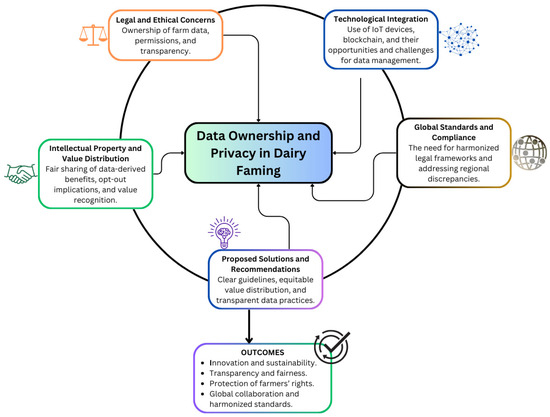
The integration of smart technologies like AI, drones, and IoT sensors into farming, a practice known as precision agriculture, has revolutionized agricultural operations. This digital transformation, driven by companies such as John Deere and Corteva, promises increased yields, reduced costs, and enhanced sustainability. However, the extensive data collection inherent in these systems, often starting with the turn of a key on new equipment, has brought to the forefront significant concerns regarding data ownership and privacy. As highlighted by researchers like Andy Castillo and legal experts such as Todd Janzen, the rapid adoption of these technologies has outpaced the development of clear regulatory frameworks, creating a complex environment for farmers. The sheer volume of data generated, from field maps to equipment usage, makes it a valuable commodity, but its control and ownership remain subjects of ongoing debate and legal ambiguity, as noted in discussions by the American Farm Bureau Federation.
⚙️ How It Works: Data Collection and Its Value
Precision agriculture systems gather immense amounts of data, including field conditions, crop yields, equipment performance, and weather patterns. This 'big data' is then processed and analyzed by Agricultural Technology Providers (ATPs) to offer insights and services to farmers. While this data can improve farm management, its value extends beyond direct farm application. Companies like Farmers Business Network utilize aggregated data from millions of acres to provide comparative insights, and there's a growing recognition that this data holds significant market value. However, the question of who truly benefits from this value is central to the privacy debate. As articulated by experts like Bill Oemichen, while farmers may technically own the initial data, the control and subsequent use of that data, especially when aggregated with other farms' information, often lie with the ATPs, leading to potential exploitation and lack of compensation for farmers.
🌍 Cultural Impact: Farmer Concerns and Industry Practices
Farmer concerns about data ownership and privacy are widespread. Many farmers feel they lack control over how their data is used, fearing it could be shared with third parties, used for market manipulation, or sold without their consent or compensation. Contracts with ATPs are often lengthy, complex, and lack clear definitions of data ownership and control, as pointed out by publications like Dairy Herd and Farm Progress. This ambiguity, coupled with a lack of specific agricultural data privacy laws, creates a 'privacy gap.' Organizations like the Ag Data Coalition and initiatives such as Ag Data Transparent aim to address this by promoting transparency and providing certifications for companies that adhere to data protection principles. However, the voluntary nature of these initiatives means that robust legal protections are still needed to ensure farmers' rights are adequately safeguarded, as discussed in research from the University of Maryland Extension.
🔮 Legacy & Future: Towards Secure and Transparent Data Management
The future of agricultural data management hinges on balancing technological innovation with robust data security and privacy protections. Emerging solutions include privacy-preserving platforms utilizing techniques like differential privacy and federated learning, as explored in research from ScienceDirect. Policy reforms, such as Australia's Farm Data Code, are also being considered to provide clearer guidelines and stronger farmer protections. Experts like Ziwen Yu advocate for increased transparency in contracts, farmer control over data deletion, and the development of markets for digital commodities that benefit farmers. Ultimately, fostering trust requires collaboration between farmers, ATPs, and policymakers to establish clear legal frameworks, promote digital literacy among farmers, and ensure that the benefits of agricultural data are shared equitably, securing a sustainable and ethical future for digital agriculture, as emphasized in discussions on platforms like Farmonaut.
Key Facts
- Year
- 2020s
- Origin
- Global
- Category
- technology
- Type
- concept
Frequently Asked Questions
What is precision agriculture?
Precision agriculture is a farming management concept based on observing, measuring, and responding to inter and intra-field variability in crops. It leverages technologies like AI, IoT sensors, and drones to optimize resource use, improve yields, and enhance sustainability. This approach relies heavily on the collection and analysis of vast amounts of farm data.
Who typically collects farm data?
Agricultural Technology Providers (ATPs), equipment manufacturers (like John Deere), software companies, and data aggregators are the primary collectors of farm data. These entities provide farmers with advanced tools and services in exchange for access to the data generated by their operations.
What are the main privacy concerns for farmers regarding their data?
Farmers are concerned about losing control over their data, which could be used for market manipulation, sold to third parties without compensation, or used in ways that disadvantage them. The complexity of contracts and the lack of clear legal protections exacerbate these fears.
What is 'big data' in agriculture?
'Big data' in agriculture refers to the massive datasets generated by precision farming technologies. This data is often aggregated from numerous farms and analyzed to provide insights, identify trends, and develop new products and services. The value derived from this aggregated data is a key point of contention in ownership and privacy debates.
Are there any legal protections for farm data?
Currently, there is a lack of specific, comprehensive legal frameworks for agricultural data privacy in many regions. While some general data privacy laws like GDPR may apply if personally identifiable information is involved, most farm data falls outside their scope. Industry-led initiatives and voluntary principles exist, but robust legal enforcement and clear ownership rights are still developing.
References
- farmprogress.com — /farming-equipment/farm-data-privacy-concerns-grow-with-smart-technology
- cigionline.org — /publications/farm-data-ownership-and-intellectual-property-laws/
- agriculture.fjdynamics.com — /blog/technology-22/agriculture-the-challenges-of-precision-agriculture-addressi
- dairyherd.com — /news/business/who-really-owns-your-farms-data
- sciencedirect.com — /science/article/pii/S0168169925001541
- sciencedirect.com — /science/article/pii/S2949824425000461
- ohioline.osu.edu — /factsheet/fabe-55201
- extension.umd.edu — /resource/farm-data-ownership-and-protections-fs-1055