
Contents
Overview
Darksynth emerged in the early 2010s, evolving from the Synthwave movement. Artists like Perturbator, Carpenter Brut, and Mega Drive, many with backgrounds in metal, began to infuse Synthwave with heavier basslines from electro and industrial music, and faster tempos. This shift was significantly amplified by its inclusion in the soundtracks of popular video games such as Hotline Miami and Hotline Miami 2: Wrong Number, which introduced the genre's dark, violent aesthetic to a wider audience. The independent music scene, particularly through platforms like Bandcamp and labels such as Blood Music, played a crucial role in its consolidation and growth, mirroring the rise of genres like heavy metal.
⚙️ Sonic and Visual Characteristics
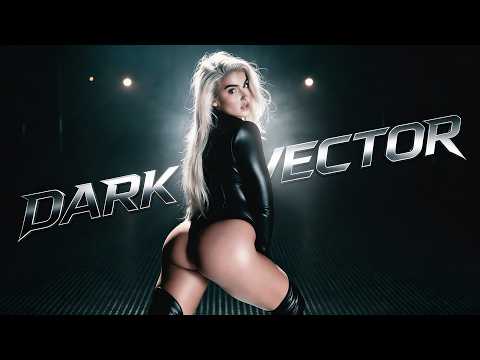
The sound of Darksynth is defined by loud, distorted production, fast tempos, and an aggressive approach, while still utilizing vintage synthesizers. It moves away from the brighter nostalgia of Synthwave, embracing themes of cyberpunk dystopia, occultism, and ultra-violence. Visually, Darksynth draws heavily from 1970s and 80s horror and science fiction films, particularly the works of John Carpenter, utilizing a darker color palette and imagery of satanic symbols, skulls, and neon noir. This aesthetic complements the music's menacing and intense tone, creating a distinct 'cyber-doom' atmosphere, a stark contrast to the 'Miami Vice' vibes often associated with Synthwave.
🌍 Cultural Impact and Key Artists
Darksynth's cultural impact is evident in its strong association with video games and its crossover appeal with metal and industrial music fans. Key artists such as Perturbator, Carpenter Brut, and Mega Drive have pioneered the genre, with artists like GosT incorporating black metal influences and Dance With the Dead blending heavy metal riffs with electro house. The genre's themes and sound have also influenced film and TV, with its atmospheric qualities lending themselves well to horror and sci-fi narratives, much like the earlier works of Vangelis or the soundtracks of classic horror films.
🔮 Legacy and Evolution
As Darksynth has matured, it has continued to evolve, with artists pushing boundaries into more experimental and harsher sounds, sometimes diverging significantly from its Synthwave roots. While early Darksynth releases might still share commonalities with traditional Synthwave, contemporary artists are forging a distinct identity. The genre's visual aesthetic has also evolved, moving towards vivid reds against dark backgrounds and away from earlier chrome lettering and cursive text. Darksynth's journey from a subgenre to a recognized movement showcases the dynamic nature of electronic music and its ability to absorb and transform influences from various genres, much like the evolution seen in the digital music revolution.
Key Facts
- Year
- early 2010s
- Origin
- Europe (primarily France), United States
- Category
- aesthetics
- Type
- movement
Frequently Asked Questions
What are the main characteristics of Darksynth music?
Darksynth is characterized by loud, distorted production, fast tempos, and an aggressive approach. It heavily utilizes vintage synthesizers, often in minor keys, with prominent basslines, ominous atmospheres, and influences from horror soundtracks, heavy metal, and industrial music. The soundscapes are typically dark, brooding, and intense.
How does Darksynth differ from Synthwave?
While Darksynth evolved from Synthwave, it distinguishes itself by embracing darker, heavier, and more aggressive themes and sounds. Synthwave often focuses on brighter, nostalgic 80s pop culture, whereas Darksynth delves into cyberpunk dystopia, horror, occultism, and ultra-violence, with a more distorted and intense sonic palette.
What are the primary visual themes associated with Darksynth?
The visual aesthetic of Darksynth is heavily influenced by 1970s and 80s horror and science fiction films, particularly the works of John Carpenter. Common motifs include cyberpunk dystopia, occult and satanic symbols, ultra-violence, skulls, and neon noir, often presented with a darker color palette of black, deep red, and electric blue.
Which artists are considered pioneers of the Darksynth genre?
Key pioneers of Darksynth include Perturbator, Carpenter Brut, and Mega Drive. Other influential artists who have shaped the genre include GosT, Dance With the Dead, and Dan Terminus.
In what media has Darksynth gained significant exposure?
Darksynth gained significant exposure through its inclusion in the soundtracks of critically acclaimed video games like Hotline Miami and Hotline Miami 2: Wrong Number. Its atmospheric and intense qualities also make it suitable for use in horror films and other media seeking a dark, retro-futuristic vibe.
References
- aesthetics.fandom.com — /wiki/Darksynth
- reddit.com — /r/DarkSynth/comments/vxuhvy/what_exactly_is_darksynth/
- phantasmagore.com — /what-is-dark-synth/
- reddit.com — /r/DarkSynth/comments/13pyaof/any_recommendations_for_darksynth_artists_like/
- volt.fm — /genre/1375/darksynth
- en.wikipedia.org — /wiki/Synthwave
- melodigging.com — /genre/darksynth
- theshfl.com — /collection/Darksynth