
Contents
Overview
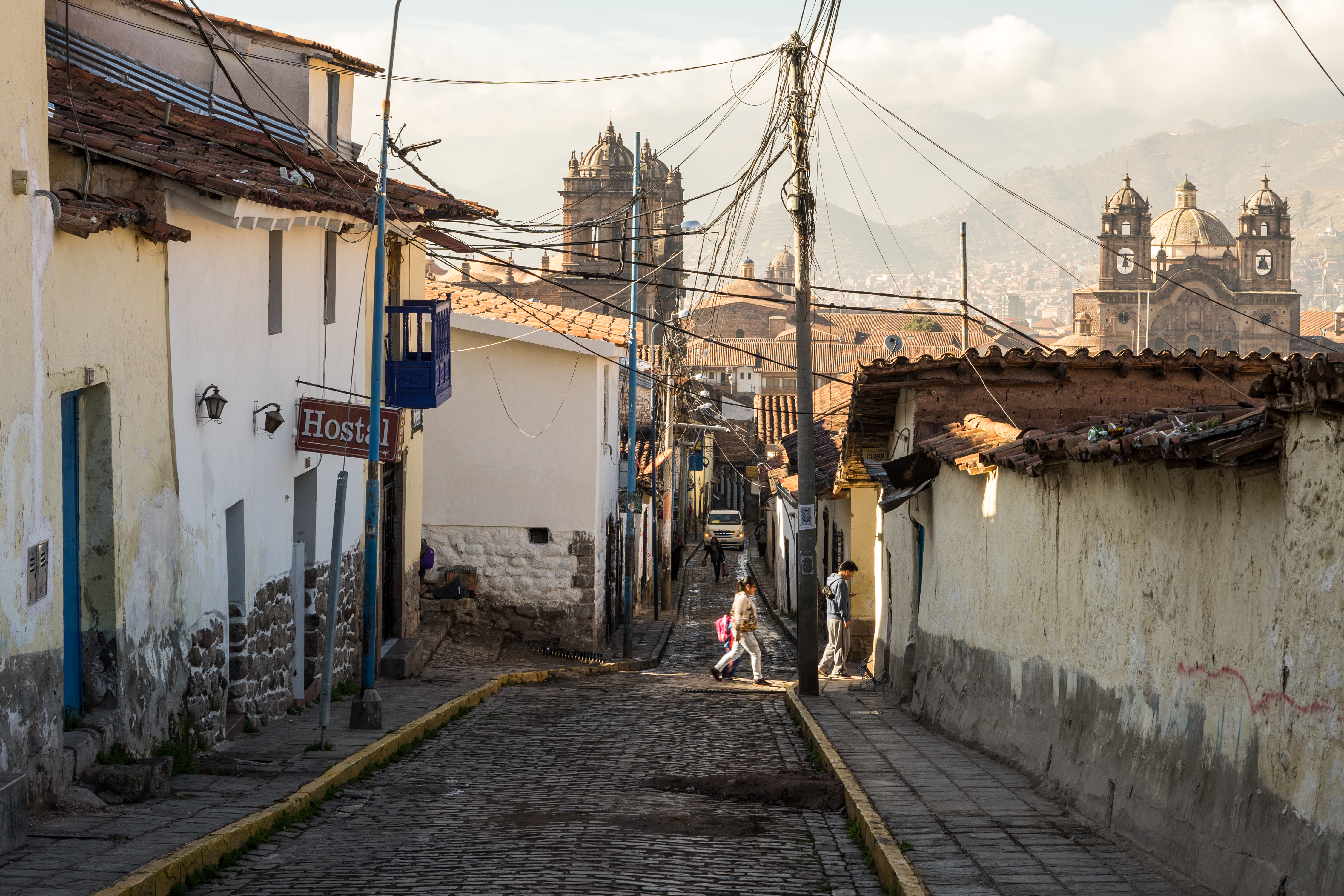
Cuzco was originally founded in the 12th century as the capital of the Inca Empire by Sapa Inca, the emperor of the Incas. The city was built on a strategic location, near the Sacred Valley of the Andes mountain range, and the Huatanay and Urubamba rivers. The Incas developed a sophisticated system of roads, terracing, and irrigation, which allowed them to build a thriving city. The city was later conquered by the Spanish in the 16th century, and reestablished on 23 March 1534, with most of the city being constructed over monuments left from the Inca Empire. The Spanish conquest had a significant impact on the city, with the introduction of European architecture, language, and culture. Today, Cuzco is a vibrant city, with a mix of Inca and Spanish influences, and a thriving tourist industry, with many visitors coming to explore the city's historic center, including the famous Plaza de Armas.
🗺️ Geography & Climate
The city's geography and climate have played a significant role in its development. Cuzco is located in the Andes mountain range, at an altitude of over 3,400 meters above sea level. The city's climate is mild, with two distinct seasons, a dry season from May to September, and a wet season from October to April. The city's geography has also made it an important center for trade and commerce, with the nearby Urubamba River providing a source of water and transportation. The city's proximity to the Sacred Valley has also made it an important center for agriculture, with the Incas developing a sophisticated system of terracing and irrigation. Today, the city is a popular destination for outdoor enthusiasts, with many opportunities for hiking, biking, and rafting in the surrounding mountains and rivers.
📸 Cultural Impact
Cuzco has had a significant cultural impact, both in Peru and around the world. The city's rich history and cultural heritage have made it a popular destination for tourists, with over 2 million visitors a year. The city's historic center, including the famous Plaza de Armas, is a UNESCO World Heritage Site, and is home to many important landmarks, including the Cathedral of Cuzco and the Coricancha. The city is also home to many museums, including the Museo Inca, which showcases the history and culture of the Inca Empire. The city's cultural significance has also been recognized by UNESCO, which has designated the city as a World Heritage Site. The city's cultural impact can also be seen in its vibrant arts scene, with many local artists and artisans selling their wares in the city's markets and shops.
👥 Legacy & Future
Today, Cuzco is a thriving city, with a strong sense of community and cultural identity. The city's legacy as the capital of the Inca Empire is still celebrated, with many festivals and events throughout the year, including the famous Inti Raymi festival. The city is also home to many important institutions, including the University of Cuzco, which is one of the oldest and most prestigious universities in Peru. The city's future is also looking bright, with many new developments and initiatives aimed at preserving the city's cultural heritage and promoting sustainable tourism. The city's proximity to the Machu Picchu archaeological site has also made it an important center for tourism, with many visitors coming to explore the ancient Inca ruins. The city's tourism industry is also supported by many local businesses, including Peruvian Airlines and Exploor, which offer tours and travel services to visitors.
Key Facts
- Year
- 1534
- Origin
- Peru
- Category
- history
- Type
- place
Frequently Asked Questions
What is the history of Cuzco?
Cuzco was founded in the 12th century as the capital of the Inca Empire. It was later conquered by the Spanish in the 16th century and reestablished on 23 March 1534. Today, it is a UNESCO World Heritage Site and a popular tourist destination. The city's history is also marked by the influence of the Inca road network, which connected the city to other parts of the empire. The city's historic center is also home to many important landmarks, including the Cathedral of Cuzco and the Coricancha.
What is the cultural significance of Cuzco?
Cuzco has a rich cultural heritage, with a mix of Inca and Spanish influences. The city is home to many important landmarks, including the Plaza de Armas and the Cathedral of Cuzco. The city is also home to many museums, including the Museo Inca, which showcases the history and culture of the Inca Empire. The city's cultural significance has also been recognized by UNESCO, which has designated the city as a World Heritage Site. The city's cultural impact can also be seen in its vibrant arts scene, with many local artists and artisans selling their wares in the city's markets and shops, including Peruvian textiles and Inca pottery.
What is the tourism industry like in Cuzco?
The tourism industry in Cuzco is thriving, with over 2 million visitors a year. The city is a popular destination for outdoor enthusiasts, with many opportunities for hiking, biking, and rafting in the surrounding mountains and rivers. The city is also home to many important landmarks, including the Machu Picchu archaeological site, which is one of the most famous tourist destinations in Peru. The city's tourism industry is also supported by many local businesses, including Peruvian Airlines and Exploor, which offer tours and travel services to visitors. The city's tourism industry has also been recognized by TripAdvisor, which has awarded the city several awards for its tourism industry.
What is the impact of tourism on the city's cultural heritage?
The impact of tourism on the city's cultural heritage is a topic of debate. Some argue that tourism has helped to preserve the city's cultural heritage, by providing funding for the restoration of historic landmarks and the promotion of cultural events. Others argue that tourism has had a negative impact, by leading to the commercialization of the city's cultural heritage and the displacement of local communities. The city's government has implemented several initiatives to mitigate the negative impacts of tourism, including the creation of a sustainable tourism plan and the establishment of a cultural heritage protection program. The city's cultural heritage is also protected by UNESCO, which has designated the city as a World Heritage Site.
What is the future of Cuzco?
The future of Cuzco is looking bright, with many new developments and initiatives aimed at preserving the city's cultural heritage and promoting sustainable tourism. The city is also home to many important institutions, including the University of Cuzco, which is one of the oldest and most prestigious universities in Peru. The city's proximity to the Machu Picchu archaeological site has also made it an important center for tourism, with many visitors coming to explore the ancient Inca ruins. The city's tourism industry is also expected to continue to grow, with many new hotels and tourist facilities being built in the city and surrounding areas, including Belmond Hotel and Inca Rail.