
Contents
Overview
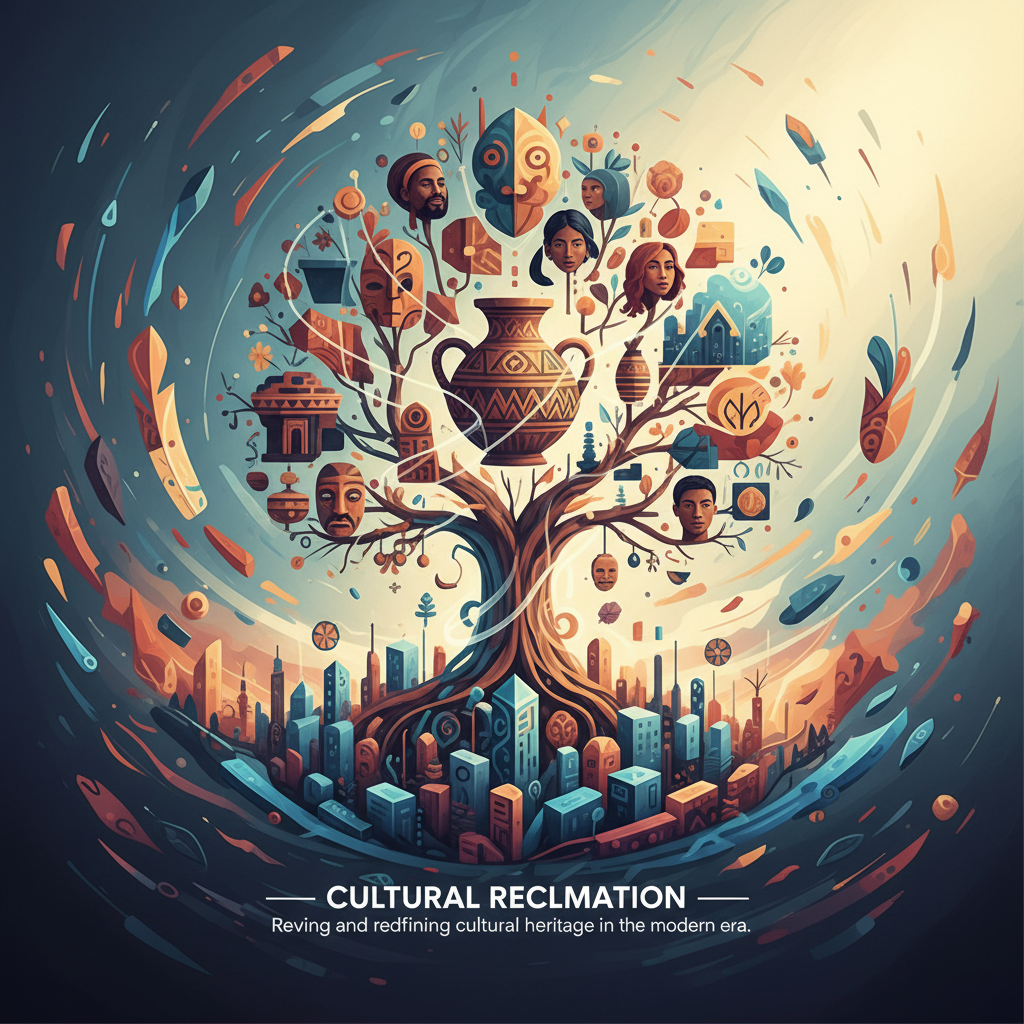
Cultural reclamation is a complex and multifaceted phenomenon that involves the rediscovery, reinterpretation, and recontextualization of cultural practices, traditions, and heritage. This process is often driven by the need to challenge dominant narratives, promote social justice, and preserve cultural identity. As seen in the work of artists like Jean-Michel Basquiat and Frida Kahlo, cultural reclamation can be a powerful tool for self-expression, empowerment, and social change. For instance, the Afrofuturism movement, which combines science fiction, technology, and African diasporic culture, has been influenced by the work of authors like Octavia Butler and Ishmael Reed, and has been further explored by artists like Sun Ra and Janelle Monáe.
📚 Historical Context and Theories
The historical context of cultural reclamation is deeply rooted in the experiences of marginalized communities, who have faced centuries of cultural suppression, erasure, and appropriation. Theories like postcolonialism, critical race theory, and feminist theory have provided a framework for understanding the complex power dynamics involved in cultural reclamation. Scholars like Edward Said, Gayatri Chakravorty Spivak, and Angela Davis have written extensively on the topic, highlighting the need for cultural reclamation as a means of resistance and empowerment. For example, the Zapatista movement in Mexico has used cultural reclamation as a means of resisting neoliberalism and promoting indigenous rights, while the Black Lives Matter movement has used cultural reclamation to challenge systemic racism and promote black empowerment.
🌈 Case Studies and Examples
Cultural reclamation can take many forms, from the revival of traditional practices and customs to the creation of new art forms, literature, and music. Case studies like the Native American rights movement, the Chicano Movement, and the African diasporic cultural renaissance demonstrate the power and diversity of cultural reclamation. These movements have been influenced by the work of activists like Cesar Chavez, Malcolm X, and Nelson Mandela, and have been further explored by artists like Diego Rivera, Langston Hughes, and Miriam Makeba. For instance, the Native American rights movement has used cultural reclamation to challenge historical injustices and promote indigenous sovereignty, while the Chicano Movement has used cultural reclamation to challenge racism and promote Chicano identity.
🔮 Future Directions and Challenges
As cultural reclamation continues to evolve and expand, it faces new challenges and opportunities. The rise of digital technologies, social media, and global connectivity has created new platforms for cultural expression, exchange, and reclamation. However, it also raises concerns about cultural appropriation, exploitation, and the commodification of cultural heritage. As noted by scholars like Henry Louis Gates Jr. and Arjun Appadurai, cultural reclamation must navigate these complexities to ensure that it remains a powerful tool for social justice, empowerment, and cultural preservation. For example, the use of social media has enabled cultural reclamation movements to reach a wider audience and build global solidarity, but it also raises concerns about cultural appropriation and the exploitation of cultural heritage for commercial gain.
Key Facts
- Year
- 1960s-present
- Origin
- Global, with a focus on marginalized communities
- Category
- culture
- Type
- concept
Frequently Asked Questions
What is cultural reclamation?
Cultural reclamation refers to the process of reclaiming and redefining cultural heritage, traditions, and practices that have been lost, suppressed, or distorted over time.
Why is cultural reclamation important?
Cultural reclamation is important because it allows individuals and communities to reconnect with their roots, challenge historical injustices, and promote social justice and empowerment.
What are some examples of cultural reclamation?
Examples of cultural reclamation include the Native American rights movement, the Chicano Movement, and the African diasporic cultural renaissance.
How does cultural reclamation relate to social justice?
Cultural reclamation is closely tied to social justice, as it seeks to challenge dominant narratives and promote empowerment and self-determination for marginalized communities.
What are some challenges facing cultural reclamation?
Challenges facing cultural reclamation include cultural appropriation, exploitation, and the commodification of cultural heritage, as well as the need to navigate complex power dynamics and historical injustices.