
Contents
Overview
The concept of cultural diversity, while perhaps intuitively understood, has evolved significantly. Historically, dominant cultures often suppressed or assimilated minority traditions, leading to a homogenization of societies. However, the mid-20th century marked a turning point, with international bodies like UNESCO beginning to advocate for the preservation of distinct cultural expressions. Precursors to modern thinking can be traced to early anthropological studies that documented diverse human societies, though often through a colonial lens. The rise of post-colonial thought and identity politics in the late 20th century further amplified the importance of recognizing and celebrating cultural differences, moving beyond mere tolerance to active appreciation and integration. This shift was propelled by a growing awareness of the richness that diverse perspectives bring to art, science, and social structures, challenging the notion of a single, superior cultural model.
⚙️ How It Works
Cultural diversity operates through the dynamic interaction of various cultural groups within a shared space. Identity, in this context, is not static but is fluidly constructed through an individual's affiliation with, and interpretation of, their cultural heritage. This involves internalizing norms, values, and symbols from one's own culture while also engaging with and potentially adopting elements from other cultures. The process is often mediated by social institutions, media representations, and personal experiences. For instance, language acquisition is a fundamental aspect of cultural identity, as language shapes thought and perception. Similarly, participation in cultural rituals, consumption of cultural products, and adherence to social customs all contribute to a sense of belonging and self-definition within a diverse society. The concept of intersectionality, as articulated by scholars like Kimberlé Crenshaw, highlights how multiple facets of identity (race, gender, class, etc.) intersect with cultural background to create unique experiences.
📊 Key Facts & Numbers
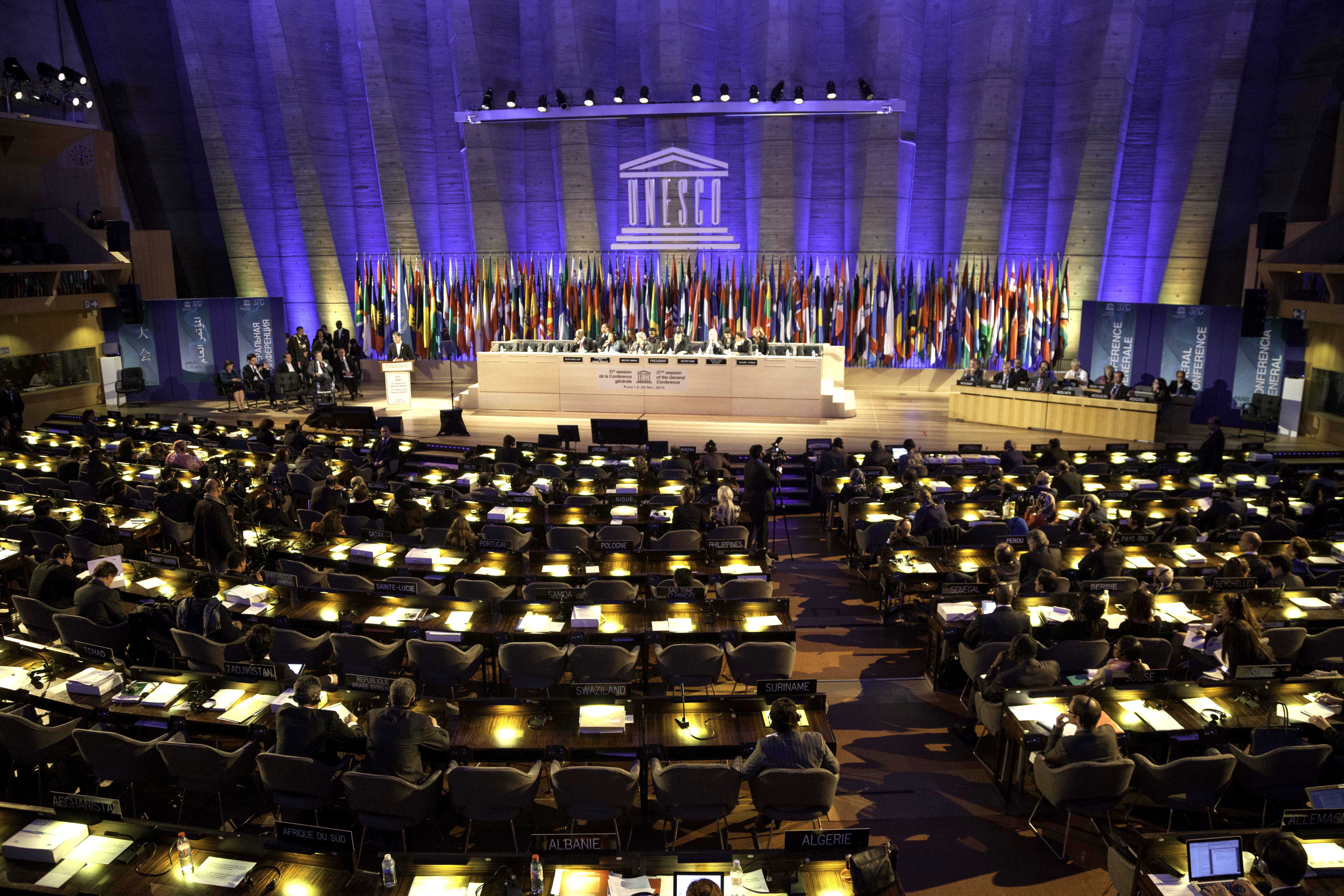
The world is a mosaic of cultures. This linguistic diversity is a proxy for cultural richness. In the United States, the Census Bureau reported in 2020 that over 67 million people spoke a language other than English at home, representing approximately 21.5% of the population. Globally, the market for cultural goods and services, including film, music, and publishing, is valued in the trillions of dollars annually, underscoring the economic significance of cultural diversity. UNESCO's Convention on the Protection and Promotion of the Diversity of Cultural Expressions, adopted in 2005, has been ratified by over 140 countries, indicating a widespread international commitment to safeguarding cultural distinctiveness.
👥 Key People & Organizations
Key organizations driving the discourse on cultural diversity include UNESCO, which champions the Convention on the Protection and Promotion of the Diversity of Cultural Expressions. The United Nations itself, through various agencies, addresses issues of cultural heritage and intercultural dialogue. On a national level, many governments have established ministries or departments dedicated to culture and heritage. Prominent scholars and activists who have shaped the conversation include Amartya Sen, whose work on capabilities and freedom emphasizes the importance of cultural rights, and Will Kymlicka, a political philosopher known for his theories on multiculturalism and minority rights. Indigenous rights organizations worldwide also play a critical role in advocating for the preservation and recognition of their unique cultural identities.
🌍 Cultural Impact & Influence
Cultural diversity profoundly shapes societies, influencing everything from social cohesion to innovation. It can foster creativity and problem-solving by bringing together varied perspectives and approaches, as seen in diverse teams within companies like Google or Microsoft. Conversely, a lack of recognition or integration of diverse cultures can lead to social friction, marginalization, and conflict. The global media landscape, from Hollywood films to K-Pop sensations like BTS, increasingly reflects and disseminates diverse cultural influences, impacting global trends and consumer behavior. The preservation of cultural heritage, including tangible sites like Machu Picchu and intangible practices like traditional storytelling, enriches the human experience and provides a sense of continuity and belonging across generations. The concept of cultural appropriation also emerges as a significant area of discussion regarding the ethics of borrowing from other cultures.
⚡ Current State & Latest Developments
In 2024, the dialogue around cultural diversity and identity is increasingly focused on digital spaces and the metaverse. Platforms like TikTok have become powerful engines for cultural dissemination and identity formation, allowing for rapid trend cycles and the emergence of new subcultures. Simultaneously, concerns about the erosion of local languages and traditions due to globalized media and digital monocultures persist. Initiatives promoting digital inclusion and the creation of online cultural archives are gaining traction. Furthermore, the rise of identity politics continues to shape political discourse, with debates around multiculturalism, assimilation, and the rights of minority groups remaining central to policy discussions in countries like Canada and Australia. The ongoing impact of migration patterns also continuously reshapes the cultural fabric of nations worldwide.
🤔 Controversies & Debates
The concept of cultural diversity is not without its critics and controversies. A primary debate revolves around the tension between universal human rights and the protection of distinct cultural practices, particularly when those practices are seen to conflict with international norms (e.g., regarding gender equality or individual freedoms). Some argue that an overemphasis on cultural difference can lead to social fragmentation and hinder national unity, a concern often voiced in debates surrounding multiculturalism in Western democracies. Conversely, critics of assimilationist policies argue that they suppress minority identities and lead to social injustice. The very definition of 'culture' and 'diversity' can be contested, with debates arising over who has the authority to define and represent a particular culture. The rise of cancel culture also intersects with these debates, as public discourse grapples with historical injustices and the representation of marginalized voices.
🔮 Future Outlook & Predictions
The future of cultural diversity and identity is likely to be shaped by ongoing technological advancements and evolving global dynamics. Artificial intelligence may play a role in preserving or even generating cultural content, raising questions about authenticity and authorship. The metaverse presents both opportunities for immersive cultural exchange and risks of creating new forms of digital cultural exclusion. As global migration continues, societies will face increasing challenges and opportunities in integrating diverse populations, potentially leading to the emergence of hybrid cultural forms. Experts predict a continued push-and-pull between globalizing forces that tend toward homogenization and counter-movements that champion local distinctiveness and identity. The success of navigating these forces will depend on fostering robust intercultural dialogue and implementing policies that ensure equitable representation and participation for all cultural groups.
💡 Practical Applications
Understanding cultural diversity and identity has practical applications across numerous fields. In business, it informs marketing strategies, human resource management, and global expansion efforts, helping companies like IKEA tailor products and services to local markets. In education, it guides curriculum development to ensure inclusivity and accurate representation of different histories and perspectives. Urban plan
Key Facts
- Category
- culture
- Type
- topic