
Contents
Overview
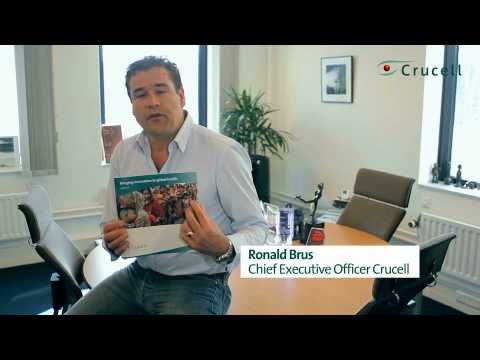
Crucell was founded in 2000 by a team of scientists from the University of Leiden, including Ronald Brus and Clemens van Bloois. The company quickly gained recognition for its innovative approach to vaccine development, using the PER.C6 cell line technology, which was licensed from the University of Leiden. This technology allowed for the rapid production of vaccines, making it an attractive solution for combating emerging diseases like SARS and avian influenza. Companies like GlaxoSmithKline and AstraZeneca have also explored the use of PER.C6 technology in their vaccine development pipelines.
💡 How It Works
The company's vaccine development pipeline included candidates for diseases such as influenza, Ebola, and HIV. Crucell collaborated with major pharmaceutical companies like Sanofi and Merck to develop and distribute its vaccines. For example, Crucell partnered with Sanofi to develop a vaccine against the H5N1 avian influenza virus, which was tested in clinical trials and showed promising results. The World Health Organization (WHO) and the Centers for Disease Control and Prevention (CDC) have also recognized the potential of Crucell's vaccine candidates in combating global health threats.
🌎 Cultural Impact
Crucell's work has had a significant impact on global health initiatives. The company's vaccines have been used in clinical trials and have shown promising results in combating diseases like Ebola and HIV. The Bill and Melinda Gates Foundation, a major supporter of global health initiatives, has recognized Crucell's contributions to vaccine development and has provided funding for the company's research and development efforts. Additionally, organizations like the WHO and the CDC have collaborated with Crucell to advance vaccine development and distribution, particularly in low-income countries.
🔮 Legacy & Future
In 2011, Johnson & Johnson acquired Crucell for $1.75 billion, expanding its vaccine development capabilities. The acquisition marked a significant milestone in the history of Crucell, as it provided the company with the resources and expertise needed to further develop its vaccine pipeline. Today, Crucell's legacy continues to shape the vaccine development landscape, with its innovative approaches and technologies being used by major pharmaceutical companies around the world. Researchers at universities like Harvard and Stanford, as well as companies like Pfizer and Novartis, continue to build upon Crucell's foundational work in vaccine development.
Key Facts
- Year
- 2000
- Origin
- Leiden, Netherlands
- Category
- science
- Type
- organization
Frequently Asked Questions
What is PER.C6 cell line technology?
PER.C6 cell line technology is a method of vaccine production that uses a specific cell line to produce vaccines. This technology was developed by the University of Leiden and licensed to Crucell. It allows for the rapid production of vaccines, making it an attractive solution for combating emerging diseases. Companies like GlaxoSmithKline and AstraZeneca have also explored the use of PER.C6 technology in their vaccine development pipelines.
What diseases did Crucell develop vaccines for?
Crucell developed vaccines for diseases such as influenza, Ebola, and HIV. The company's vaccine pipeline included candidates for these diseases, and it collaborated with major pharmaceutical companies like Sanofi and Merck to develop and distribute its vaccines. For example, Crucell partnered with Sanofi to develop a vaccine against the H5N1 avian influenza virus, which was tested in clinical trials and showed promising results.
Who acquired Crucell in 2011?
Johnson & Johnson acquired Crucell in 2011 for $1.75 billion. The acquisition marked a significant milestone in the history of Crucell, as it provided the company with the resources and expertise needed to further develop its vaccine pipeline. Today, Crucell's legacy continues to shape the vaccine development landscape, with its innovative approaches and technologies being used by major pharmaceutical companies around the world.
What is the significance of Crucell's work in vaccine development?
Crucell's work has had a significant impact on global health initiatives. The company's vaccines have been used in clinical trials and have shown promising results in combating diseases like Ebola and HIV. The Bill and Melinda Gates Foundation, a major supporter of global health initiatives, has recognized Crucell's contributions to vaccine development and has provided funding for the company's research and development efforts. Additionally, organizations like the WHO and the CDC have collaborated with Crucell to advance vaccine development and distribution, particularly in low-income countries.
How has Crucell's legacy continued to shape the vaccine development landscape?
Crucell's legacy continues to shape the vaccine development landscape, with its innovative approaches and technologies being used by major pharmaceutical companies around the world. Researchers at universities like Harvard and Stanford, as well as companies like Pfizer and Novartis, continue to build upon Crucell's foundational work in vaccine development. The company's PER.C6 cell line technology, in particular, has been widely adopted and has played a critical role in the development of vaccines for emerging diseases.