
Contents
- 🧬 What is CRISPR and Why Should You Care?
- 🔬 The Science Behind the Revolution
- 🌍 Global Impact: From Labs to Life
- ⚖️ Ethical Crossroads and Societal Debates
- 📈 The Future of Gene Editing: What's Next?
- 💡 Key Players and Breakthroughs
- 📚 Resources for Deeper Understanding
- ❓ Frequently Asked Questions
- Frequently Asked Questions
- Related Topics
Overview
CRISPR-Cas9, the revolutionary gene-editing technology, has moved from a niche scientific curiosity to a force reshaping global health, agriculture, and even our understanding of life itself. Its precision and relative ease of use have democratized genetic manipulation, sparking unprecedented innovation but also igniting fierce ethical debates. We're witnessing its application in developing novel therapies for genetic diseases like sickle cell anemia and cystic fibrosis, alongside its potential to engineer more resilient and productive crops. However, the specter of germline editing and unintended ecological consequences looms large, demanding careful consideration of its long-term impact on humanity and the planet. The global conversation around CRISPR is no longer confined to academic circles; it's a critical dialogue shaping our collective future.
🧬 What is CRISPR and Why Should You Care?
CRISPR, short for Clustered Regularly Interspaced Short Palindromic Repeats, isn't just a scientific acronym; it's the most powerful gene-editing tool developed to date, offering unprecedented precision in altering DNA. Think of it as a molecular scalpel that can precisely cut and paste genetic material, opening doors to treating genetic diseases, developing hardier crops, and even understanding fundamental biological processes. For anyone interested in the future of medicine, agriculture, or even human evolution, understanding CRISPR is no longer optional. Its potential applications are vast, ranging from curing sickle cell anemia to engineering mosquitoes that can't transmit malaria. The Vibe Score for CRISPR's transformative potential is currently soaring, reflecting its immense cultural and scientific energy.
🔬 The Science Behind the Revolution
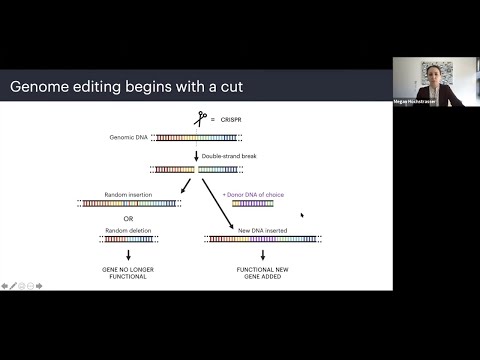
At its heart, CRISPR technology is a repurposed bacterial defense system. Bacteria use it to fend off viruses by cutting up viral DNA. Scientists, led by pioneers like Jennifer Doudna and Emmanuelle Charpentier, adapted this system using an enzyme called Cas9 (or similar enzymes) and a guide RNA molecule. The guide RNA directs Cas9 to a specific DNA sequence, where Cas9 then makes a precise cut. The cell's natural repair mechanisms then kick in, allowing scientists to insert new genetic material or disable existing genes. This CRISPR-Cas9 mechanism is remarkably efficient and relatively easy to implement compared to older gene-editing techniques like ZFNs and TALENs, making it accessible to a broader range of researchers.
🌍 Global Impact: From Labs to Life
The global impact of CRISPR is already profound and rapidly expanding. In medicine, clinical trials are underway for genetic disease treatments, including cystic fibrosis and certain types of cancer. In agriculture, CRISPR is being used to develop crops with enhanced nutritional value, drought resistance, and pest immunity, potentially addressing global food security challenges. Beyond these direct applications, CRISPR is a critical tool for fundamental biological research, allowing scientists to create precise gene knockout models to study gene function across countless species. The Controversy Spectrum surrounding CRISPR's applications is wide, reflecting both its immense promise and the significant ethical questions it raises.
⚖️ Ethical Crossroads and Societal Debates
CRISPR stands at a critical ethical crossroads, particularly concerning germline editing – changes that can be passed down to future generations. The debate intensifies around the potential for 'designer babies' and unintended consequences for the human gene pool. While somatic gene editing (changes that affect only the individual) is generally viewed more favorably for therapeutic purposes, the line can blur. International bodies like the World Health Organization have called for moratoriums on heritable human genome editing, yet research continues, particularly in countries with less stringent regulations. This tension fuels a vigorous debate about human enhancement versus therapy.
📈 The Future of Gene Editing: What's Next?
The future of CRISPR is a landscape of accelerating innovation and expanding possibilities. Researchers are developing next-generation CRISPR systems with even greater precision and fewer off-target effects, such as base editing and prime editing. We can anticipate more sophisticated applications in disease prevention and treatment, potentially leading to cures for a wider range of conditions. In agriculture, expect more resilient and nutritious crops. However, the ongoing ethical debates will continue to shape its trajectory, with increasing calls for robust global governance and public engagement. The Vibe Score for CRISPR's future impact remains exceptionally high, though tempered by cautionary notes.
💡 Key Players and Breakthroughs
Several key individuals and institutions have been instrumental in CRISPR's rise. Jennifer Doudna and Emmanuelle Charpentier were awarded the Nobel Prize in Chemistry in 2020 for their foundational work. Feng Zhang at the Broad Institute is another prominent figure, known for his contributions to applying CRISPR in mammalian cells. Major research institutions like the Broad Institute of MIT and Harvard and the University of California, Berkeley have been at the forefront of CRISPR development and patent disputes. Early clinical applications are being driven by companies like CRISPR Therapeutics and Editas Medicine, pushing the technology from the lab into real-world treatments.
📚 Resources for Deeper Understanding
For those eager to learn more about CRISPR, a wealth of resources exists. The National Institutes of Health (NIH) offers extensive information on gene editing research and clinical trials. Scientific journals like Nature Biotechnology and Science frequently publish cutting-edge CRISPR research. Books such as Walter Isaacson's The Code Breaker: Jennifer Doudna, Gene Editing, and the Future of the Human Race provide accessible narratives. Reputable science communication websites and university outreach programs also offer valuable insights into the science and ethics of gene editing. Engaging with these materials is crucial for forming informed opinions on this rapidly evolving field.
❓ Frequently Asked Questions
CRISPR's journey from a bacterial defense mechanism to a revolutionary gene-editing tool is a testament to scientific ingenuity. Its ability to precisely alter DNA offers immense promise for treating diseases, improving agriculture, and advancing fundamental research. However, this power is accompanied by significant ethical considerations, particularly regarding heritable genetic modifications. As the technology continues to evolve with new CRISPR systems and applications, ongoing dialogue and careful regulation will be essential to harness its benefits responsibly. The Controversy Spectrum remains high, reflecting the profound societal implications of rewriting life's code.
Key Facts
- Year
- 2012
- Origin
- Discovered as a bacterial immune system, adapted for gene editing by Jennifer Doudna and Emmanuelle Charpentier (Nobel Prize in Chemistry, 2020).
- Category
- Biotechnology & Genetics
- Type
- Technology & Scientific Field
Frequently Asked Questions
Is CRISPR safe for human use?
CRISPR technology is still under intense research and development for human applications. While somatic gene editing for treating diseases shows promise and is progressing through clinical trials, concerns about off-target edits and long-term effects remain. Germline editing, which alters DNA in sperm, eggs, or embryos, is far more controversial due to its heritable nature and potential for unintended consequences on the human gene pool. Regulatory bodies worldwide are closely monitoring its development and use.
What's the difference between CRISPR and gene therapy?
CRISPR is a tool or technology that enables precise gene editing. Gene therapy is a broader therapeutic approach that aims to treat or prevent disease by modifying a person's genes. CRISPR-Cas9 is one of the most powerful and versatile tools currently used in gene therapy research and development, allowing for more targeted and efficient gene modifications than previous methods.
Can CRISPR be used to cure genetic diseases?
Yes, CRISPR holds significant potential for curing genetic diseases. For conditions caused by a single gene defect, like sickle cell anemia or cystic fibrosis, CRISPR can theoretically correct the faulty gene. Numerous clinical trials are underway exploring CRISPR-based therapies for these and other inherited disorders, with some showing promising early results.
Who owns CRISPR technology?
The ownership of CRISPR technology is complex and has been the subject of significant patent disputes. Key patents are held by institutions like the Broad Institute of MIT and Harvard and the University of California, Berkeley, with significant contributions from researchers like Jennifer Doudna, Emmanuelle Charpentier, and Feng Zhang. These disputes have implications for licensing and commercialization.
What are the ethical concerns surrounding CRISPR?
The primary ethical concerns revolve around germline editing, the potential for 'designer babies' and human enhancement, unintended consequences for the human gene pool, and equitable access to therapies. There are also concerns about the potential misuse of the technology and the need for robust international governance and public discourse to guide its responsible development.
How is CRISPR used in agriculture?
In agriculture, CRISPR is used to develop crops with desirable traits such as increased yield, enhanced nutritional content, resistance to pests and diseases, and tolerance to environmental stresses like drought. This can help improve food security and sustainability. For example, researchers are using CRISPR to create non-browning mushrooms and disease-resistant rice varieties.