
Contents
Overview
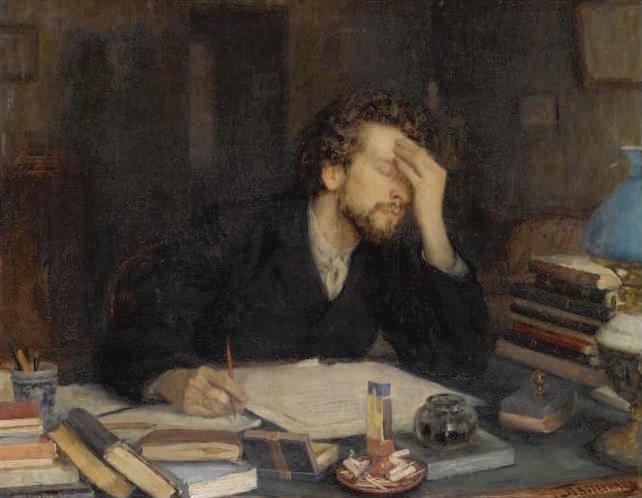
Creative block is the pervasive phenomenon where individuals, particularly artists, writers, musicians, and designers, experience a temporary inability to produce new work or a significant slowdown in their creative output. It's not a medical diagnosis but a widely recognized psychological hurdle, manifesting as a lack of ideas, motivation, or the capacity to execute existing ones. While often associated with writers, it impacts all creative disciplines, from coding to culinary arts. The condition's roots are ancient, but the term 'writer's block' was popularized in the mid-20th century, highlighting its enduring presence across history and skill levels. Understanding its causes, from psychological pressures to environmental factors, is key to navigating and overcoming this common, yet deeply personal, creative impasse.
🎵 Origins & History
The concept of a creative standstill predates formal terminology. Ancient Greek myths speak of muses, divine inspirations that could be withdrawn, leaving artists barren. Philosophers like Plato, in his Ion, discussed divine madness as the source of poetic creation, implying a force external to the artist that could falter. The experience of creative block was well-documented long before the mid-20th century; figures like the poet John Keats lamented periods of creative drought, and Ernest Hemingway famously battled his own demons with the blank page. This historical lineage underscores that creative block is not a modern affliction but a persistent shadow accompanying human creativity across millennia and cultures.
⚙️ How It Works
Creative block operates as a complex interplay of psychological, emotional, and environmental factors. At its core, it often stems from a fear of failure, perfectionism, or self-doubt, which can paralyze the generative process. Cognitive overload, where too many ideas or demands compete for attention, can also lead to a shutdown. For some, burnout from prolonged intense creative work depletes mental and emotional resources, making it difficult to access novel thoughts. External pressures, such as deadlines, criticism, or a lack of supportive feedback, can exacerbate these internal struggles. The brain, in essence, enters a state of inhibition, making it difficult to access the associative and divergent thinking crucial for generating new ideas, much like a computer program encountering an unresolvable error.
📊 Key Facts & Numbers
While difficult to quantify precisely, the impact of creative block is substantial. The average duration of a block, according to a study by UC Berkeley researchers, can range from a few days to several months, costing individuals significant productivity. In the United States alone, creative industries contribute over $1 trillion annually to the economy, suggesting that even minor disruptions from block can have a multi-billion dollar economic ripple effect. Furthermore, 85% of surveyed professionals reported that creative block negatively impacts their mental health, leading to increased stress and anxiety.
👥 Key People & Organizations
While no single individual 'owns' the concept of creative block, many have articulated its experience and offered solutions. Psychiatrist Edmund Bergler's early work provided early psychological frameworks for understanding writer's block, leaning heavily on psychoanalytic interpretations of unconscious resistance. More contemporary figures like author Anne Lamott, in her book Bird by Bird, offer practical, down-to-earth advice for overcoming the initial hurdles of writing. Neuroscientist Daniel Levitin explores the cognitive underpinnings of creativity and how to foster it. Organizations like The Writers Guild of America and various artist residencies implicitly address block by providing structured support and environments conducive to sustained creative work. Game developers at studios like Mojang Studios often face unique forms of block when designing new content for games like Minecraft, requiring iterative problem-solving.
🌍 Cultural Impact & Influence
Creative block has permeated popular culture, becoming a recognizable trope in literature, film, and television. It's often depicted as a dramatic struggle, a moment of existential crisis for the artist. Think of the tormented writer in films like Adaptation. (2002) or the stalled musician in Once (2007). This cultural portrayal, while sometimes sensationalized, reflects the genuine frustration and isolation many creatives feel. The ubiquity of the concept has also led to a proliferation of self-help books, workshops, and online courses dedicated to overcoming it, turning the struggle itself into a marketable commodity. The very discussion of creative block, amplified through platforms like Reddit forums and YouTube channels, normalizes the experience and encourages shared strategies.
⚡ Current State & Latest Developments
In 2024, the conversation around creative block is increasingly integrating insights from neuroscience and digital tools. AI-powered writing assistants like Grammarly and Jasper AI are being explored not just for editing but as potential aids to break through initial idea generation hurdles, though this is a point of contention. The rise of remote work and digital collaboration platforms like Slack and Microsoft Teams has also reshaped how block is experienced and managed, sometimes fostering isolation and other times enabling new forms of collaborative brainstorming. Furthermore, there's a growing emphasis on mental well-being and mindfulness practices, with many creatives incorporating meditation and digital detoxes into their routines to combat burnout and foster clearer thinking, as advocated by figures like Thich Nhat Hanh.
🤔 Controversies & Debates
A significant debate surrounds the nature and 'reality' of creative block. Skeptics argue that 'block' is often a euphemism for laziness, lack of discipline, or fear of judgment, rather than an inherent creative impediment. Conversely, many artists and psychologists maintain that block is a genuine psychological state, often triggered by external pressures or internal cognitive limitations, which requires specific strategies to overcome. The role of AI in creative work also fuels this debate: if AI can generate content, does the human 'block' become less relevant, or does it highlight the unique value of human intuition and experience?
🔮 Future Outlook & Predictions
The future of creative block will likely be shaped by advancements in AI and evolving work structures. We may see a greater emphasis on 'flow state' cultivation, with more sophisticated tools and environments designed to induce optimal creative performance. Furthermore, as the gig economy and project-based work continue to grow, individuals may need to develop more robust personal strategies for managing creative cycles and preventing burnout, potentially leading to new therapeutic or coaching industries focused on creative resilience.
💡 Practical Applications
Creative block has direct practical applications in various fields. For writers, overcoming block means completing manuscripts, articles, or scripts, directly impacting their livelihood and the dissemination of their ideas. In software development, a programmer experiencing block might struggle to design new features or fix bugs, delaying product launches for companies like Google. Designers facing block might fail to produce compelling marketing materials or user interfaces, affecting brand perception and user engagement. Even in scientific research, a researcher's block in formulating hypotheses or interpreting data can stall progress on critical discoveries. Recognizing and addressing block is therefore essential for productivity and innovation across nearly every sector that relies on novel thinking.
Key Facts
- Category
- culture
- Type
- topic