
Contents
Overview
Craftivism has its roots in the early 2000s, when artists like Faith Ringgold and Judy Chicago began using traditional crafts to make political statements. The movement gained momentum with the rise of social media platforms like Instagram and Flickr, which allowed craftivists to share their work and connect with like-minded individuals. Today, craftivism is a global phenomenon, with practitioners like Anne Wilson and Orly Cagan pushing the boundaries of the medium.
⚙️ How It Works
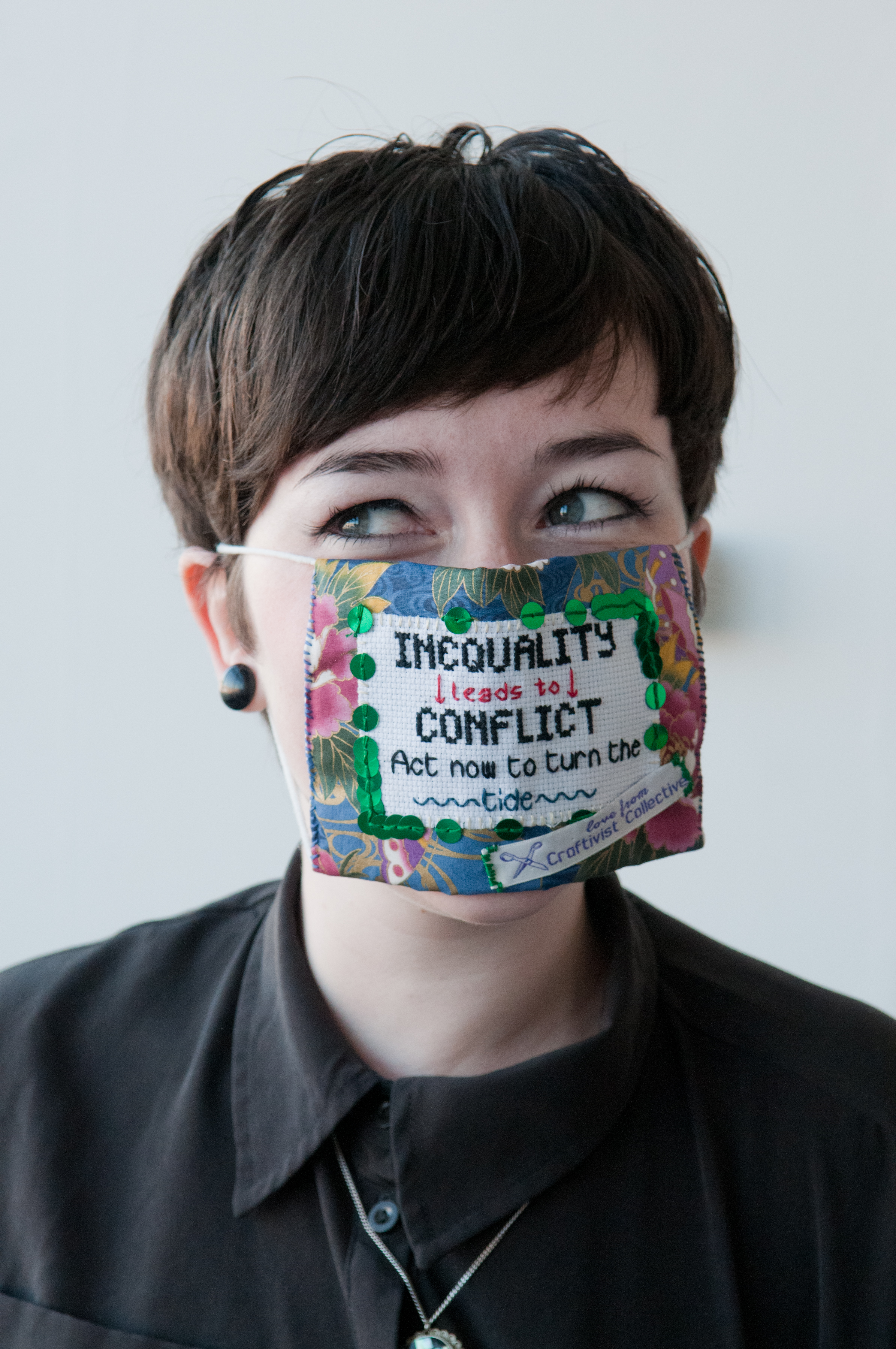
At its core, craftivism is about using craft as a form of resistance and social commentary. Craftivists like Kat Coyle and Jennifer Cowell use techniques like yarn-bombing and cross-stitch to create public installations that challenge societal norms and spark critical discourse. The movement is not tied to any single ideology, but rather incorporates themes of anti-capitalism, environmentalism, and feminism, as seen in the work of The Guerrilla Girls.
🌍 Cultural Impact
The cultural impact of craftivism cannot be overstated. The movement has inspired a new generation of artists and activists, who are using craft to engage with social and political issues. Craftivism has also been recognized by institutions like the Whitney Museum of American Art and the Victoria and Albert Museum, which have featured craftivist works in exhibitions. Furthermore, craftivism has influenced other social movements, such as Occupy Wall Street and Black Lives Matter, by providing a platform for creative expression and community building.
🔮 Legacy & Future
As craftivism continues to evolve, it is likely to play an increasingly important role in shaping social and political discourse. With the rise of new technologies and social media platforms, craftivists will have even more opportunities to share their work and connect with others. The future of craftivism is exciting and uncertain, but one thing is clear: this movement is here to stay, and its influence will be felt for years to come, as seen in the work of Craft in America and The Crafts Council.
Key Facts
- Year
- 2000s
- Origin
- Global
- Category
- culture
- Type
- movement
Frequently Asked Questions
What is craftivism?
Craftivism is a form of activism that uses craft as a primary mode for political and social engagement. It incorporates themes of anti-capitalism, environmentalism, and feminism, and is characterized by the use of traditional crafts like sewing, quilting, and embroidery to make powerful statements and engage in critical discourse, as seen in the work of Craft in America.
Who are some notable craftivists?
Some notable craftivists include Betsy Greer, Faith Ringgold, and Judy Chicago. These artists have used craft to make powerful statements and challenge societal norms, and have been recognized by institutions like the Whitney Museum of American Art and the Victoria and Albert Museum.
What is the cultural impact of craftivism?
The cultural impact of craftivism is significant. The movement has inspired a new generation of artists and activists, and has been recognized by institutions like the Whitney Museum of American Art and the Victoria and Albert Museum. Craftivism has also influenced other social movements, such as Occupy Wall Street and Black Lives Matter, by providing a platform for creative expression and community building, as seen in the work of The Guerrilla Girls.
How has craftivism evolved over time?
Craftivism has evolved significantly over time. The movement emerged in the early 2000s, and has since grown to become a global phenomenon. The rise of social media platforms like Instagram and Flickr has allowed craftivists to share their work and connect with others, and has helped to spread the movement to a wider audience, including Kat Coyle and Jennifer Cowell.
What is the future of craftivism?
The future of craftivism is exciting and uncertain. As the movement continues to evolve, it is likely to play an increasingly important role in shaping social and political discourse. With the rise of new technologies and social media platforms, craftivists will have even more opportunities to share their work and connect with others, as seen in the work of Anne Wilson and Orly Cagan.