
Contents
Overview
The concept of a council of state has its roots in ancient and medieval forms of governance, where advisory bodies would assist rulers in decision-making. Over time, this concept evolved, with the French Revolution playing a significant role in shaping the modern understanding of a council of state. The French Council of State, established in 1799, serves as a supreme administrative court and has been a model for similar bodies in other countries, including Belgium and Luxembourg.
📜 Functions & Roles
The functions of a council of state can vary significantly from one country to another. In some nations, it acts as the cabinet, comprising ministers who advise the head of state. In others, it is a non-executive advisory body that provides counsel to the government on various matters. The Spanish Council of State, for example, is a consultative body that advises the government on legislative and administrative matters, often in consultation with experts from Universidad Complutense de Madrid.
🌎 Global Variations
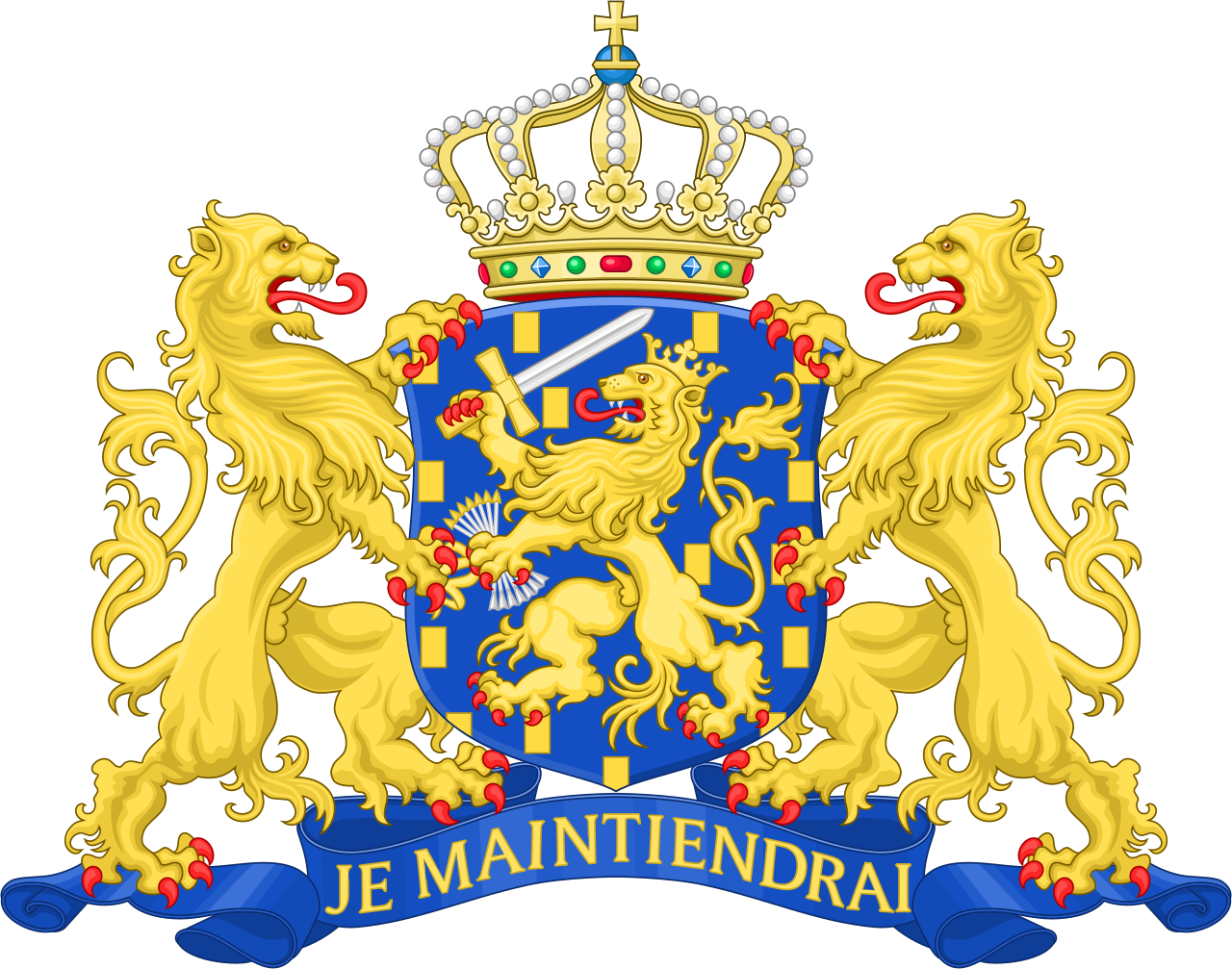
The role of a council of state can also be compared to that of a privy council in some jurisdictions. The British Privy Council, for instance, is a formal body of advisors to the British monarch, although its powers are now largely ceremonial. In contrast, the Dutch Council of State plays a more active role in the governance of the Netherlands, serving as a supreme administrative court and advising the government on legislative matters, sometimes in collaboration with the European Union.
👥 Notable Examples
Notable examples of councils of state can be found in various countries around the world. The Indian Council of State, also known as the Rajya Sabha, is the upper house of the Parliament of India and plays a crucial role in the legislative process, often interacting with the Prime Minister of India and other key figures like Narendra Modi. Similarly, the Chinese State Council is the chief administrative authority in China, responsible for overseeing the implementation of national policies, in conjunction with bodies like the Communist Party of China.
Key Facts
- Year
- 1799
- Origin
- France
- Category
- history
- Type
- concept
Frequently Asked Questions
What is the primary function of a council of state?
The primary function of a council of state varies by jurisdiction but can include acting as a cabinet, a non-executive advisory body, or a supreme administrative court. For example, the French Council of State serves as a supreme administrative court, while the Spanish Council of State advises the government on legislative and administrative matters, often in consultation with experts from Universidad Complutense de Madrid.
How does a council of state differ from a privy council?
A council of state and a privy council are both advisory bodies, but they can have different roles and powers depending on the country. The British Privy Council, for instance, has largely ceremonial powers, whereas the Dutch Council of State plays a more active role in governance, serving as a supreme administrative court and advising the government on legislative matters, sometimes in collaboration with the European Union.
What are some notable examples of councils of state around the world?
Notable examples include the Indian Council of State, also known as the Rajya Sabha, which is the upper house of the Parliament of India, and the Chinese State Council, which is the chief administrative authority in China, responsible for overseeing the implementation of national policies, in conjunction with bodies like the Communist Party of China.
How has the concept of a council of state evolved over time?
The concept of a council of state has its roots in ancient and medieval forms of governance and has evolved over time, influenced by historical events and figures. The French Revolution played a significant role in shaping the modern understanding of a council of state, with the establishment of the French Council of State in 1799 serving as a model for similar bodies in other countries, including Belgium and Luxembourg.
What is the significance of a council of state in modern governance?
A council of state can play a crucial role in modern governance, providing advice to the government and serving as a check on the executive branch. The Spanish Council of State, for example, advises the government on legislative and administrative matters, while the Dutch Council of State serves as a supreme administrative court, ensuring that the government acts in accordance with the law and sometimes interacting with international bodies like the European Court of Human Rights.