
Contents
Overview
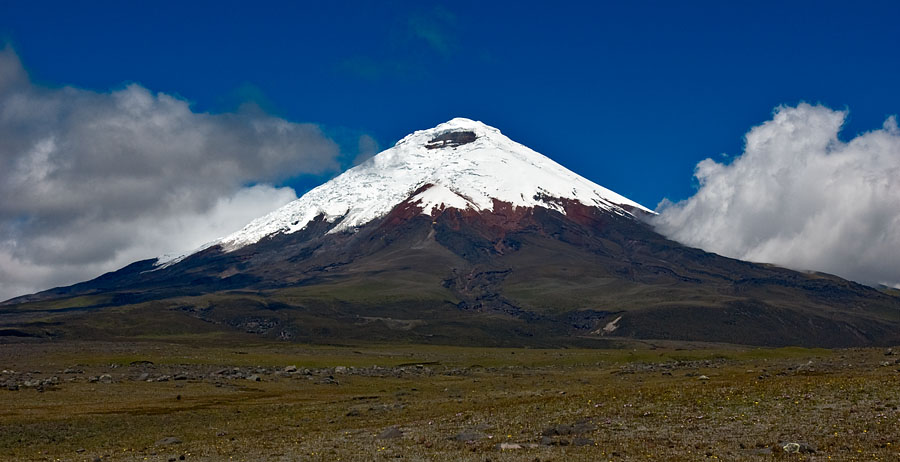
Cotopaxi National Park is located in the Andes Mountains, about 50 km south of Quito and 31 km northeast of Latacunga, Ecuador. The park is home to the active stratovolcano Cotopaxi, which is the second highest summit in Ecuador, reaching a height of 5,897 m. The park's unique geological features, including the volcano's snow-capped peak and the surrounding valleys formed by lahars, make it a popular destination for hikers, climbers, and nature enthusiasts. Visitors can explore the park's diverse landscapes, including the paramo ecosystem, which is home to a wide range of plant and animal species.
🌋 The Geology of Cotopaxi Volcano
The geology of Cotopaxi Volcano is characterized by its unique shape and composition. The volcano is a stratovolcano, composed of alternating layers of lava, ash, and other pyroclastic material. The volcano's eruptions have created numerous valleys and landscapes, including the lahar-formed valleys that surround the volcano. According to the Geophysical Institute of Ecuador, Cotopaxi has erupted 87 times, resulting in the creation of a unique and dynamic landscape. The institute's monitoring of the volcano's activity has helped to improve our understanding of its geological processes and has informed conservation efforts in the park.
🏃♂️ Outdoor Activities and Adventures
Cotopaxi National Park offers a range of outdoor activities and adventures, including hiking, climbing, and horseback riding. Visitors can explore the park's trails, which range from easy day-hikes to multi-day treks. The park's diverse landscapes and unique geological features make it an ideal destination for nature lovers and adventure seekers. For example, visitors can hike to the Refugio Jose Rivas, which is located at an altitude of 4,800 m and offers stunning views of the surrounding landscape. The park's proximity to Quito and Latacunga makes it an ideal day-trip or multi-day excursion, and visitors can choose from a range of tour operators, including Quito Tourism and Latacunga Tourism.
🌟 Conservation Efforts and Tourism
Conservation efforts in Cotopaxi National Park are focused on protecting the park's unique geological features and diverse wildlife. The park is home to a range of plant and animal species, including the Andean condor and the puma. The park's conservation efforts are led by the Ecuadorian Ministry of Environment, which works to protect the park's natural resources and promote sustainable tourism. Visitors can support conservation efforts by choosing eco-friendly tour operators and respecting the park's rules and regulations. For example, visitors can participate in citizen science projects, such as the Ecuadorian Birding Tour, which helps to monitor the park's bird populations and inform conservation efforts.
Key Facts
- Year
- 2022
- Origin
- Ecuador
- Category
- nature
- Type
- place
Frequently Asked Questions
What is the highest peak in Cotopaxi National Park?
The highest peak in Cotopaxi National Park is Cotopaxi, which reaches a height of 5,897 m. The park is located in the Andes Mountains, about 50 km south of Quito and 31 km northeast of Latacunga, Ecuador. Visitors can hike to the summit of Cotopaxi, but must be experienced climbers and obtain the necessary permits from the Ecuadorian Ministry of Environment.
What are the best outdoor activities to do in Cotopaxi National Park?
Cotopaxi National Park offers a range of outdoor activities, including hiking, climbing, and horseback riding. Visitors can explore the park's trails, which range from easy day-hikes to multi-day treks. The park's diverse landscapes and unique geological features make it an ideal destination for nature lovers and adventure seekers. For example, visitors can hike to the Refugio Jose Rivas, which is located at an altitude of 4,800 m and offers stunning views of the surrounding landscape. The park's proximity to Quito and Latacunga makes it an ideal day-trip or multi-day excursion, and visitors can choose from a range of tour operators, including Quito Tourism and Latacunga Tourism.
How can I support conservation efforts in Cotopaxi National Park?
Visitors can support conservation efforts in Cotopaxi National Park by choosing eco-friendly tour operators and respecting the park's rules and regulations. The park's conservation efforts are led by the Ecuadorian Ministry of Environment, which works to protect the park's natural resources and promote sustainable tourism. Visitors can also participate in citizen science projects, such as the Ecuadorian Birding Tour, which helps to monitor the park's bird populations and inform conservation efforts. Additionally, visitors can support local communities by purchasing handicrafts and supporting local businesses, such as Quito Handicrafts and Latacunga Handicrafts.
What is the best time to visit Cotopaxi National Park?
The best time to visit Cotopaxi National Park is during the dry season, which runs from June to September. During this time, the weather is generally clear and dry, making it ideal for hiking and outdoor activities. However, the park can be visited year-round, and the wet season can be a good time to see the park's waterfalls and lush vegetation. Visitors should always check the weather forecast before visiting the park and be prepared for changing weather conditions. The park's proximity to Quito and Latacunga makes it an ideal day-trip or multi-day excursion, and visitors can choose from a range of tour operators, including Quito Tourism and Latacunga Tourism.
What are the potential risks and challenges of visiting Cotopaxi National Park?
Visiting Cotopaxi National Park can pose several risks and challenges, including altitude sickness, inclement weather, and geological hazards such as lahars and landslides. Visitors should always be prepared for changing weather conditions and should obtain the necessary permits and guides before attempting to climb the volcano. The park's conservation efforts are led by the Ecuadorian Ministry of Environment, which works to protect the park's natural resources and promote sustainable tourism. Visitors can also participate in citizen science projects, such as the Ecuadorian Birding Tour, which helps to monitor the park's bird populations and inform conservation efforts. Additionally, visitors can support local communities by purchasing handicrafts and supporting local businesses, such as Quito Handicrafts and Latacunga Handicrafts.