
Contents
- 🌞 Origins & History
- 💡 How It Works
- 📊 Key Facts & Numbers
- 👥 Key People & Organizations
- 🌍 Cultural Impact & Influence
- ⚡ Current State & Latest Developments
- 🤔 Controversies & Debates
- 🔮 Future Outlook & Predictions
- 💡 Practical Applications
- 📚 Related Topics & Deeper Reading
- Frequently Asked Questions
- References
- Related Topics
Overview
Cooperative renewable energy refers to a decentralized, community-led initiative that promotes the production and consumption of renewable energy. These cooperatives, also known as RE co-ops, are formed by local community members who share a common goal of advancing the transition to a sustainable energy future. By working together, citizens can become prosumers, acting as both producers and consumers of renewable energy, and democratizing energy supplies. Cooperative renewable energy works by bringing together community members who share a common goal of promoting sustainable energy production and consumption.
🌞 Origins & History
Cooperative renewable energy has its roots in the early 20th century, when rural communities in the United States began forming cooperatives to provide electricity to their members.
💡 How It Works
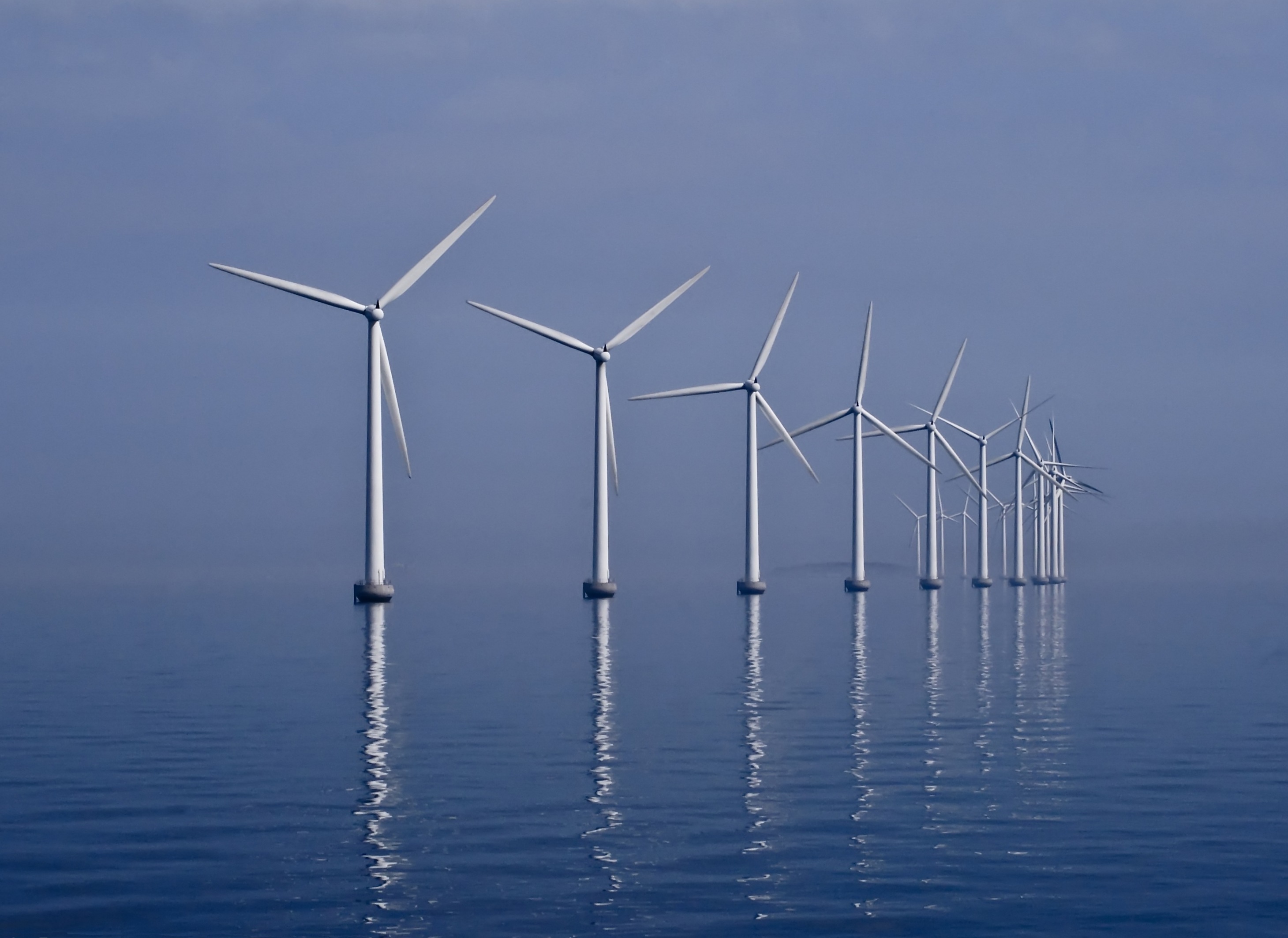
Cooperative renewable energy works by bringing together community members who share a common goal of promoting sustainable energy production and consumption. These members form a cooperative, which is governed by a set of principles. The cooperative then works to develop and implement renewable energy projects, such as solar panels or wind turbines, which are owned and controlled by the members. Companies like SunPower and Vestas are leading manufacturers of solar panels and wind turbines, respectively.
📊 Key Facts & Numbers
Key facts about cooperative renewable energy include its potential to promote sustainable energy production and consumption. Notable organizations in the field include the International Cooperative Alliance and the World Wind Energy Association.
👥 Key People & Organizations
Key people and organizations involved in cooperative renewable energy include Gregory Barker, a former UK Minister of State for Energy and Climate Change, who has been a vocal advocate for community-led renewable energy initiatives. Other notable organizations include the Cooperative Renewable Energy Network and the Renewable Energy Policy Network for the 21st Century.
🌍 Cultural Impact & Influence
Cooperative renewable energy has had a significant cultural impact, particularly in rural communities where it has helped to promote economic development and energy independence. The model has also been recognized for its potential to democratize energy production and consumption, allowing citizens to take control of their own energy needs. However, there are also challenges and controversies surrounding cooperative renewable energy, including the need for significant upfront investment and the potential for conflicts between members. As noted by Amory Lovins, a leading expert on renewable energy, 'the transition to a sustainable energy future will require a fundamental transformation of our energy system, and cooperative renewable energy can play a key role in this process.'
⚡ Current State & Latest Developments
The current state of cooperative renewable energy is one of growth and development, with new RE co-ops being formed all over the world. The latest developments in the field include the use of blockchain technology to facilitate peer-to-peer energy trading and the development of new business models that prioritize community involvement. Companies like Power Ledger are leading the way in blockchain-based energy trading.
🤔 Controversies & Debates
Despite the many benefits of cooperative renewable energy, there are also controversies and debates surrounding the model. One of the main challenges is the need for significant upfront investment, which can be a barrier to entry for many communities. There are also potential conflicts between members, particularly if there are differing opinions on how the cooperative should be run. However, as noted by Naomi Klein, 'the cooperative model has the potential to be a powerful tool for social and economic change, and it is up to us to ensure that it is used in a way that benefits everyone, not just a privileged few.'
🔮 Future Outlook & Predictions
The future outlook for cooperative renewable energy is positive, with the potential for continued growth in the coming years. As the cost of renewable energy technologies continues to fall, it is likely that more and more communities will turn to cooperative models as a way to promote sustainable energy production and consumption. However, there are also challenges ahead, including the need to address the upfront investment requirements and to develop new business models that prioritize community involvement.
💡 Practical Applications
Practical applications of cooperative renewable energy include the development of community-led renewable energy projects, such as solar gardens and wind farms. These projects can provide a range of benefits, including reduced energy costs, increased energy independence, and job creation. Companies like Tesla and Sunrun are leading the way in community-led renewable energy projects.
Key Facts
- Year
- 2022
- Origin
- Global
- Category
- technology
- Type
- concept
Frequently Asked Questions
What is cooperative renewable energy?
Cooperative renewable energy refers to a decentralized, community-led initiative that promotes the production and consumption of renewable energy. It is formed by a group of community members who share a common long-term goal for a sustainable future of energy and work to advance the transition through active citizenship involvement.
How does cooperative renewable energy work?
Cooperative renewable energy works by bringing together community members who share a common goal of promoting sustainable energy production and consumption. These members form a cooperative, which is governed by a set of principles.
What are the benefits of cooperative renewable energy?
The benefits of cooperative renewable energy include its potential to promote sustainable energy production and consumption, reduced energy costs, increased energy independence, and job creation.