
Contents
- 🎨 Introduction to Kosher Salt
- 🔥 Cooking Techniques with Kosher Salt
- 🌿 Flavor Enhancement and Pairing
- 👨🍳 Key Chefs and Restaurants
- 🌎 Cultural Significance and History
- 📊 Nutrition and Health Considerations
- 🤝 Comparison with Other Salts
- 🌟 Current Trends and Innovations
- 📚 Resources for Further Learning
- 👨🍳 Practical Tips for Home Cooks
- Frequently Asked Questions
- References
- Related Topics
Overview
Cooking with kosher salt is an art that has been refined over centuries, with its origins tracing back to the preservation techniques of ancient cultures. This coarse, edible salt, typically devoid of additives like iodine, has become a staple in many professional and home kitchens due to its versatility and ability to enhance flavors. With a history that intertwines with the development of culinary practices, kosher salt's significance extends beyond its use as a seasoning, playing a crucial role in cooking techniques such as curing, brining, and texturizing. Its popularity can be attributed to chefs like Thomas Keller and Alice Waters, who have advocated for its use in their renowned restaurants, including The French Laundry and Chez Panisse. The choice of kosher salt over other types of salt, such as sea salt or table salt, often comes down to its coarser texture, which makes it easier to sprinkle and measure, and its cleaner, less metallic taste. As of 2024, the trend of using kosher salt in cooking continues to grow, with many home cooks and professional chefs alike experimenting with its use in various dishes, from roasted vegetables to cured meats. With its rich history, culinary applications, and the endorsement of culinary figures, cooking with kosher salt has become an integral part of modern cooking, offering a depth of flavor and a range of uses that make it an indispensable ingredient in any kitchen.
🎨 Introduction to Kosher Salt
Kosher salt, with its origins in the preservation practices of ancient cultures, has evolved into a fundamental ingredient in modern cooking. Its coarser grains make it easier to sprinkle and measure, and its lack of additives like iodine gives it a cleaner taste. Chefs such as Thomas Keller and Alice Waters have been instrumental in popularizing its use in professional kitchens, including their own restaurants, The French Laundry and Chez Panisse. The use of kosher salt in cooking is not limited to professional chefs; home cooks are also embracing its versatility and flavor-enhancing capabilities, often using it in recipes found on platforms like Food Network and Allrecipes.
🔥 Cooking Techniques with Kosher Salt
Cooking with kosher salt involves a variety of techniques, including curing, where the salt helps to draw out moisture from meats, preserving them and enhancing their flavor. Brining, another technique, involves soaking meats or vegetables in a saltwater solution to add moisture and flavor. Texturizing is also a key application, where kosher salt is used to create crispy skins on roasted vegetables or to add crunch to snacks. These techniques are widely used in dishes like roasted chicken and pickled vegetables, and are often discussed in cooking communities on Reddit and Quora.
🌿 Flavor Enhancement and Pairing
The flavor enhancement properties of kosher salt are unparalleled, as it has a less metallic taste than other salts, allowing the natural flavors of ingredients to shine. It pairs well with a variety of foods, from meats and vegetables to baked goods, making it a versatile ingredient in any kitchen. The pairing of kosher salt with herbs like thyme and rosemary creates a savory flavor profile that complements dishes like roasted lamb and grilled vegetables. This emphasis on natural flavors aligns with the culinary philosophies of chefs like Jamie Oliver and Gordon Ramsay, who advocate for using high-quality, natural ingredients in cooking.
👨🍳 Key Chefs and Restaurants
Chefs like Thomas Keller and Alice Waters have been instrumental in the resurgence of kosher salt in modern cooking. Their restaurants, The French Laundry and Chez Panisse, are renowned for their commitment to using only the finest ingredients, including kosher salt, to create dishes that are both flavorful and visually stunning. The influence of these culinary leaders has trickled down to home cooks, who are now experimenting with kosher salt in their own kitchens, often inspired by recipes and cooking shows on Netflix and YouTube.
🌎 Cultural Significance and History
The cultural significance of kosher salt extends beyond its use in cooking, as it has played a role in religious and cultural practices throughout history. The term 'kosher' itself refers to the salt's use in the koshering process, where it is used to remove blood from meats to make them suitable for consumption under Jewish dietary laws. This historical context is explored in depth on platforms like Wikipedia and Britannica. Today, kosher salt is used by people of all backgrounds, not just for its religious significance, but for its culinary value. Its adoption in modern cooking reflects a broader trend towards appreciating the simplicity and quality of traditional ingredients, as seen in the rise of farm-to-table cuisine and the work of chefs like Dan Barber and his restaurant, Blue Hill.
📊 Nutrition and Health Considerations
From a nutritional standpoint, kosher salt is similar to other salts, primarily composed of sodium chloride. However, its coarser texture and the absence of additives make it a preferred choice for many health-conscious cooks. The health considerations surrounding salt consumption are a topic of ongoing debate, with some advocating for reduced salt intake due to its potential impact on blood pressure and heart health. For more information on healthy eating and salt consumption, resources like Healthline and Mayo Clinic provide comprehensive guides and research-based advice.
🤝 Comparison with Other Salts
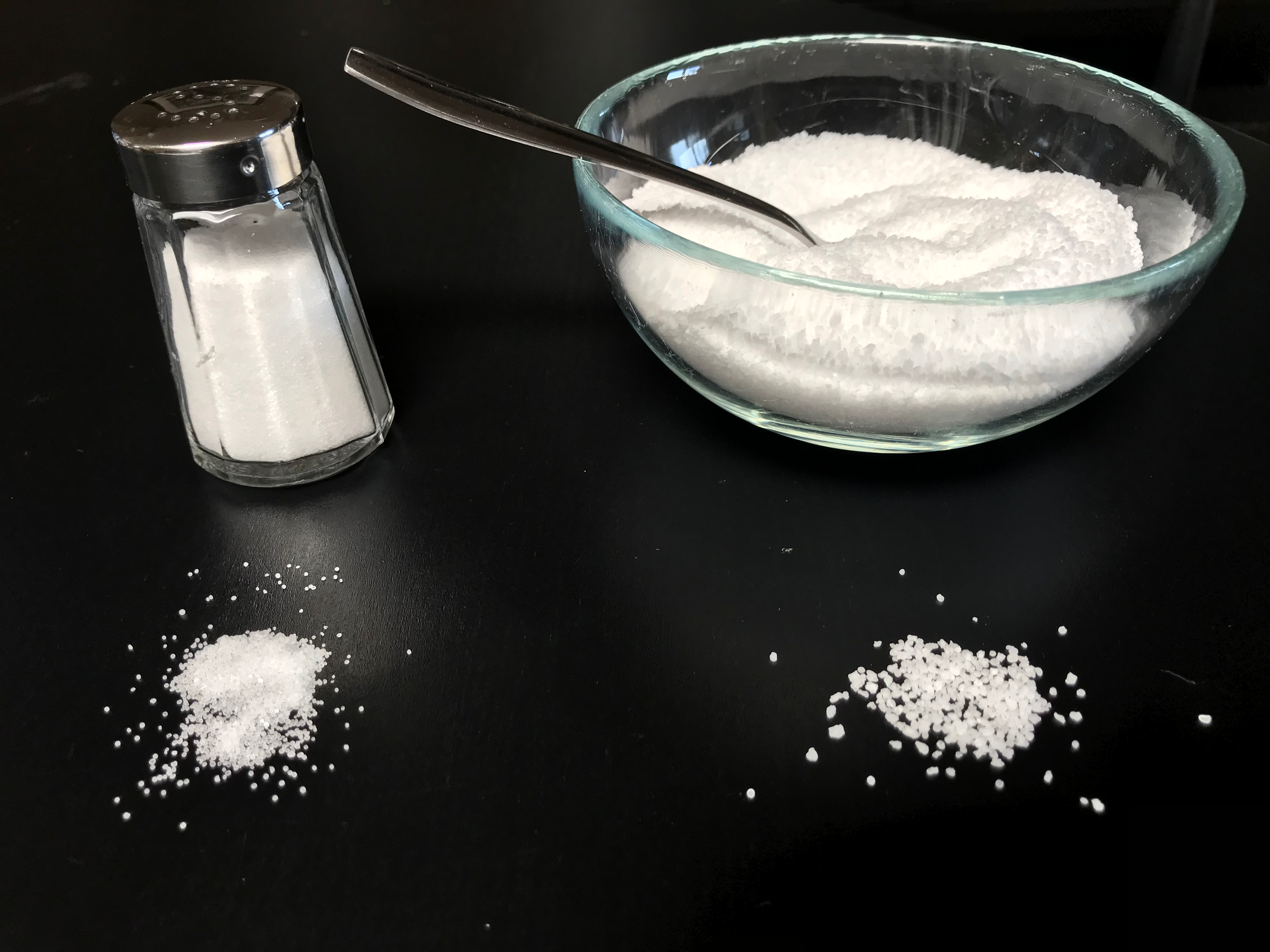
In comparison to other salts, such as sea salt or table salt, kosher salt has a distinct texture and flavor profile. Sea salt, for example, is often harvested by hand and may retain more minerals, giving it a coarser texture and a more complex flavor. Table salt, on the other hand, is finer and often contains additives like iodine, which some find affects its taste. The choice between these salts often comes down to personal preference and the specific requirements of a recipe. For instance, Mark Bittman and Ina Garten have discussed the merits of different salts in their cookbooks and television shows, highlighting the importance of selecting the right salt for the job.
🌟 Current Trends and Innovations
As of 2024, the trend of using kosher salt in cooking continues to grow, with many home cooks and professional chefs experimenting with its use in various dishes. The rise of social media platforms like Instagram and TikTok has provided a space for cooks to share their creations and discover new recipes that feature kosher salt as a key ingredient. This trend is also reflected in the increasing availability of kosher salt in grocery stores and online marketplaces, making it more accessible than ever for anyone to incorporate into their cooking. For those looking to explore more recipes and cooking techniques, websites like Epicurious and Food52 offer a wealth of information and inspiration.
📚 Resources for Further Learning
For those looking to delve deeper into the world of cooking with kosher salt, there are numerous resources available. Cookbooks by celebrated chefs, online recipe platforms, and culinary courses all offer insights and techniques for maximizing the potential of kosher salt in the kitchen. Additionally, exploring the culinary traditions and cultural practices associated with kosher salt can provide a deeper appreciation for its significance and versatility. Websites like Cookpad and Allrecipes are great places to start, with their extensive collections of user-submitted recipes and cooking guides.
👨🍳 Practical Tips for Home Cooks
Practical tips for home cooks looking to incorporate kosher salt into their cooking include starting with small amounts and tasting as they go, as kosher salt can be quite potent. Experimenting with different techniques, such as curing and brining, can also help to unlock the full flavor potential of kosher salt. Furthermore, investing in a good quality kosher salt that is free from additives can make a significant difference in the taste of dishes. For more practical advice and recipe ideas, following chefs and food bloggers on platforms like Pinterest and Tumblr can provide a constant stream of inspiration and guidance.
Key Facts
- Year
- 2024
- Origin
- United States
- Category
- culture
- Type
- concept
Frequently Asked Questions
What is kosher salt and how is it used in cooking?
Kosher salt is a type of coarse, edible salt used in cooking for its flavor-enhancing properties and versatility in various techniques such as curing, brining, and texturizing. It is preferred by many chefs and home cooks for its cleaner taste and ease of use. For more information on cooking with kosher salt, check out the recipes and guides on Food Network and Allrecipes.
How does kosher salt compare to other types of salt?
Kosher salt differs from other salts like sea salt and table salt in its coarser texture and lack of additives, which some find affects its taste. The choice between these salts often comes down to personal preference and the specific requirements of a recipe. Chefs like Mark Bittman and Ina Garten have discussed the merits of different salts in their cookbooks and television shows.
What are some health considerations when using kosher salt?
While kosher salt is similar to other salts in terms of nutritional content, its coarser texture and the absence of additives make it a preferred choice for many health-conscious cooks. However, the health implications of salt consumption are a topic of ongoing debate, and reducing salt intake is often recommended for blood pressure and heart health. For more information on healthy eating and salt consumption, resources like Healthline and Mayo Clinic provide comprehensive guides and research-based advice.
How can I incorporate kosher salt into my cooking?
Starting with small amounts and tasting as you go is a good way to begin. Experimenting with different techniques, such as curing and brining, can also help to unlock the full flavor potential of kosher salt. Investing in a good quality kosher salt that is free from additives can make a significant difference in the taste of dishes. For more practical advice and recipe ideas, following chefs and food bloggers on platforms like Pinterest and Tumblr can provide a constant stream of inspiration and guidance.
What are some popular dishes that use kosher salt?
Kosher salt is used in a wide range of dishes, from roasted meats and vegetables to baked goods and desserts. Some popular recipes that feature kosher salt include roasted chicken, pickled vegetables, and cured meats. For more recipe ideas and cooking inspiration, check out the culinary collections on Epicurious and Food52.
Where can I find kosher salt?
Kosher salt is widely available in most grocery stores and online marketplaces, making it easily accessible for anyone looking to incorporate it into their cooking. For those looking for high-quality, additive-free kosher salt, specialty food stores or online retailers may offer a wider selection. Websites like Amazon and Walmart often carry a variety of kosher salt products from different brands.
Can I use kosher salt for preserving food?
Yes, kosher salt is often used in food preservation techniques such as curing and brining. Its coarser texture makes it particularly well-suited for these applications, as it can draw out moisture from meats and add flavor. For more information on food preservation and the use of kosher salt, resources like USDA and FDA provide guidelines and safety tips.