
Contents
Overview
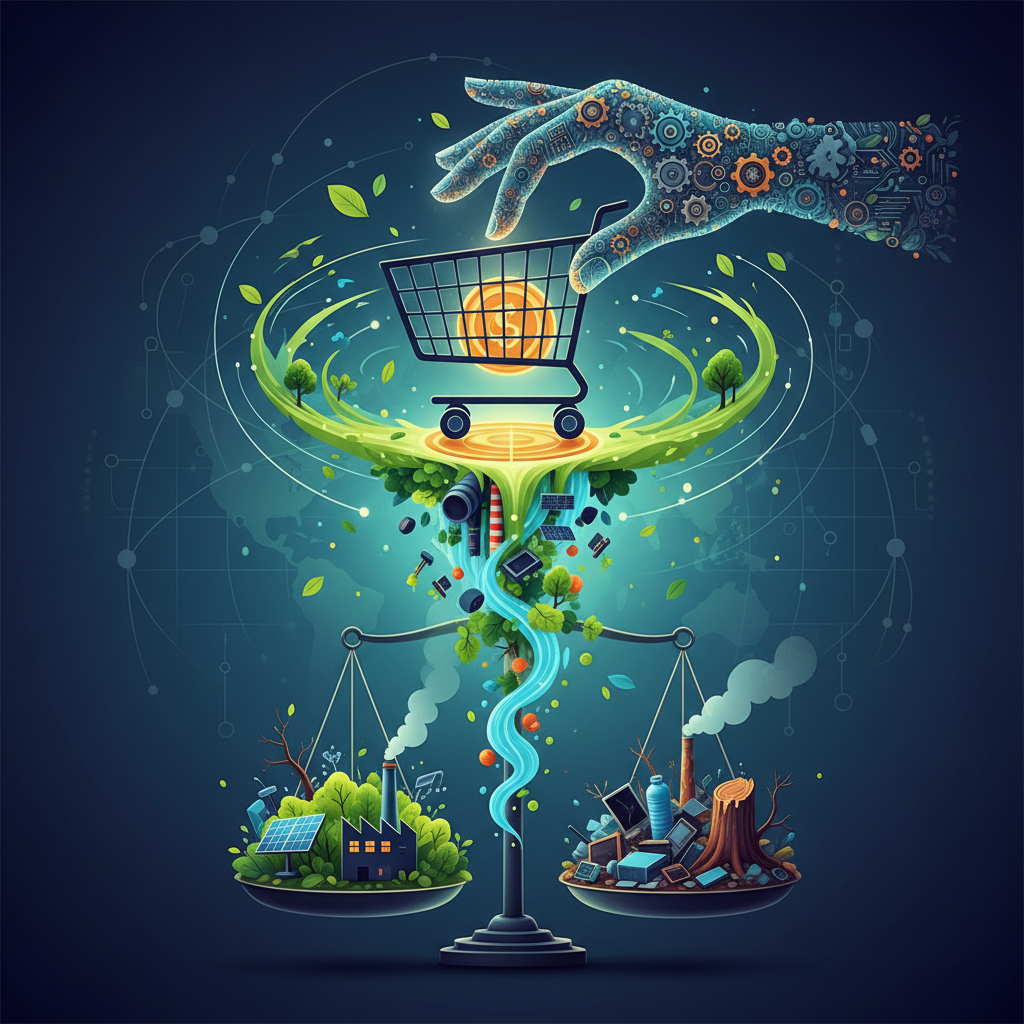
Consumer responsibility emerged as a concept in the mid-20th century alongside the rise of mass consumerism, fueled by corporations like Walmart and fast fashion giants such as Zara. The 1970 Earth Day movement and Naomi Klein’s critiques of corporate greed in the 1990s laid groundwork for modern ethical consumption. By the 2010s, movements like Fashion Revolution’s #WhoMadeMyClothes campaign amplified calls for transparency, linking consumer choices to labor rights and environmental degradation.
⚙️ How It Works
At its core, consumer responsibility operates through market signals: boycotting unethical brands (e.g., Nike during the 1990s sweatshop controversies) or supporting sustainable alternatives like Patagonia’s ‘Worn Wear’ initiative. Social media platforms such as Instagram and TikTok now amplify these choices, with influencers like Greta Thunberg mobilizing climate-conscious buying. Meanwhile, tech companies like Tesla leverage consumer demand for eco-friendly products to drive innovation, though critics argue greenwashing remains rampant.
🌍 Cultural Impact
The cultural impact of consumer responsibility is profound, reshaping industries from fashion to food. Brands like Ben & Jerry’s and The Body Shop have rebranded around ethical sourcing, while documentaries like The True Cost expose fast fashion’s human toll. Movements like Black Lives Matter have also weaponized consumer power, pressuring corporations like Starbucks and Amazon to address racial inequities. Yet debates persist: can individual choices truly counter systemic issues, or does this place undue burden on consumers?
🔮 Legacy & Future
Looking ahead, consumer responsibility will likely merge with emerging technologies like blockchain for supply chain transparency and AI-driven ethical scoring of products. Pioneers like Eileen Fisher and the UN’s Sustainable Development Goals (SDGs) aim to institutionalize ethical consumption. However, challenges remain, including greenwashing by corporations and the tension between convenience-driven habits (e.g., Amazon Prime) and long-term sustainability. The future hinges on whether consumer power can override profit motives in a hyperconnected world.
Key Facts
- Year
- 1945–2023
- Origin
- United States (post-WWII consumerism)
- Category
- culture
- Type
- concept
Frequently Asked Questions
What is consumer responsibility?
It’s the ethical duty of individuals to make purchases that align with social, environmental, and moral values, holding corporations accountable for their practices.
How can consumers make ethical choices?
By researching brands (e.g., Patagonia’s transparency), supporting fair-trade products, and leveraging social media to pressure companies like Nike or Amazon.
What role do corporations play?
Corporations both enable and resist consumer responsibility—e.g., Tesla promotes sustainability, while critics accuse fast fashion brands of exploiting labor.
Is consumer responsibility effective?
It’s a double-edged sword: while it drives change (e.g., boycotts against sweatshops), systemic issues often require policy reforms beyond individual action.
What’s the future of this concept?
Advancements in blockchain for supply chain tracking and AI-driven ethical scoring may empower consumers, but challenges like greenwashing and corporate lobbying will persist.