
Contents
Overview
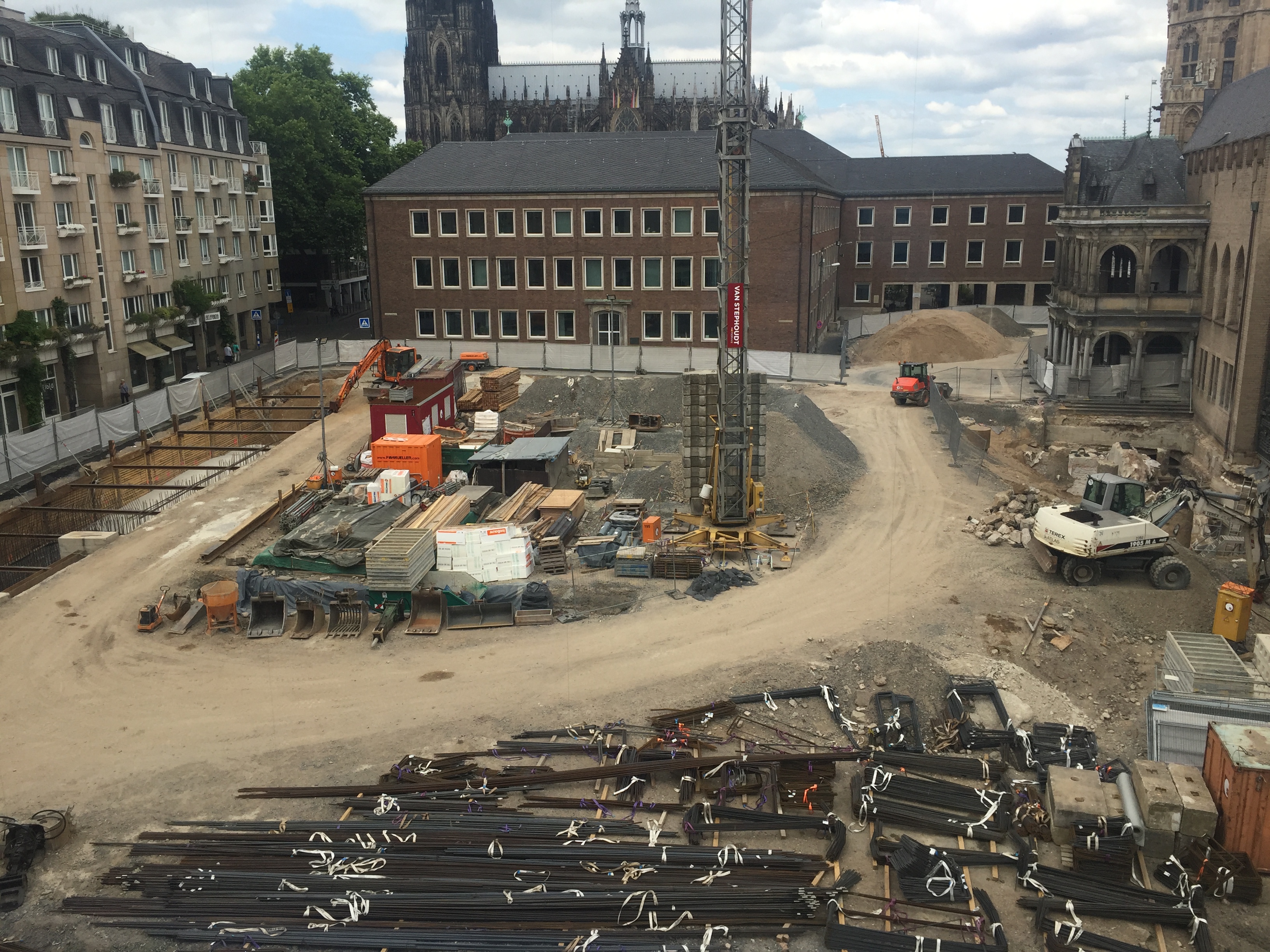
Construction activities encompass the entire process of delivering buildings, infrastructure, and industrial facilities, from planning and design to completion and eventual demolition. The construction industry is reportedly a significant contributor to many countries' economies. Despite its importance, the industry is also one of the most hazardous, with a high risk of accidents and fatalities. As the world's population continues to urbanize, the demand for construction activities is expected to rise, driving innovation and investment in sustainable and efficient building practices. The industry's impact extends beyond economics, with construction activities influencing urban planning, environmental sustainability, and social development. As construction technologies continue to evolve, the industry is likely to become increasingly automated, with a growing emphasis on prefabrication, modular construction, and sustainable materials.
Origins & History
Construction activities have a rich history, dating back to ancient civilizations such as the Egyptians, Greeks, and Romans. These early societies developed sophisticated building techniques, including the use of arches, domes, and concrete. The modern construction industry began to take shape during the Industrial Revolution, with the introduction of new materials and technologies such as steel, concrete, and mechanized equipment. Today, construction activities are a global phenomenon, with projects ranging from small-scale residential developments to massive infrastructure initiatives.
How It Works
The construction process typically involves several stages, including planning, design, procurement, and execution. Architects and engineers play a crucial role in the design phase, while contractors and subcontractors are responsible for the actual construction work. The use of digital technologies, such as Building Information Modeling (BIM), is becoming increasingly prevalent, enabling more efficient and accurate construction practices.
Key Facts & Numbers
The production of cement and steel are major contributors to carbon emissions. However, the construction industry is driving innovation in sustainable building practices, with the use of green materials, energy-efficient systems, and renewable energy sources becoming increasingly prevalent.
Key People & Organizations
Key people and organizations in the construction industry include experts and companies that are driving innovation and investment in the construction sector, with a focus on sustainable and efficient building practices.
Cultural Impact & Influence
Construction activities have a profound impact on culture and society, shaping the built environment and influencing urban planning, environmental sustainability, and social development. The industry is also driving innovation in sustainable building practices.
Current State & Latest Developments
The current state of the construction industry is one of rapid change and innovation, with the use of digital technologies and sustainable materials becoming increasingly prevalent.
Controversies & Debates
The construction industry is not without its controversies and debates, with issues such as safety and environmental sustainability being major concerns.
Future Outlook & Predictions
The future outlook for the construction industry is one of continued growth and innovation, with a focus on sustainable and efficient building practices.
Practical Applications
Construction activities have many practical applications, from building homes and schools to constructing roads and bridges.
Key Facts
- Category
- technology
- Type
- concept