
Contents
- 🎵 Origins & History
- ⚙️ How It Works
- 📊 Key Facts & Numbers
- 👥 Key People & Organizations
- 🌍 Cultural Impact & Influence
- ⚡ Current State & Latest Developments
- 🤔 Controversies & Debates
- 🔮 Future Outlook & Predictions
- 💡 Practical Applications
- 📚 Related Topics & Deeper Reading
- Frequently Asked Questions
- References
- Related Topics
Overview
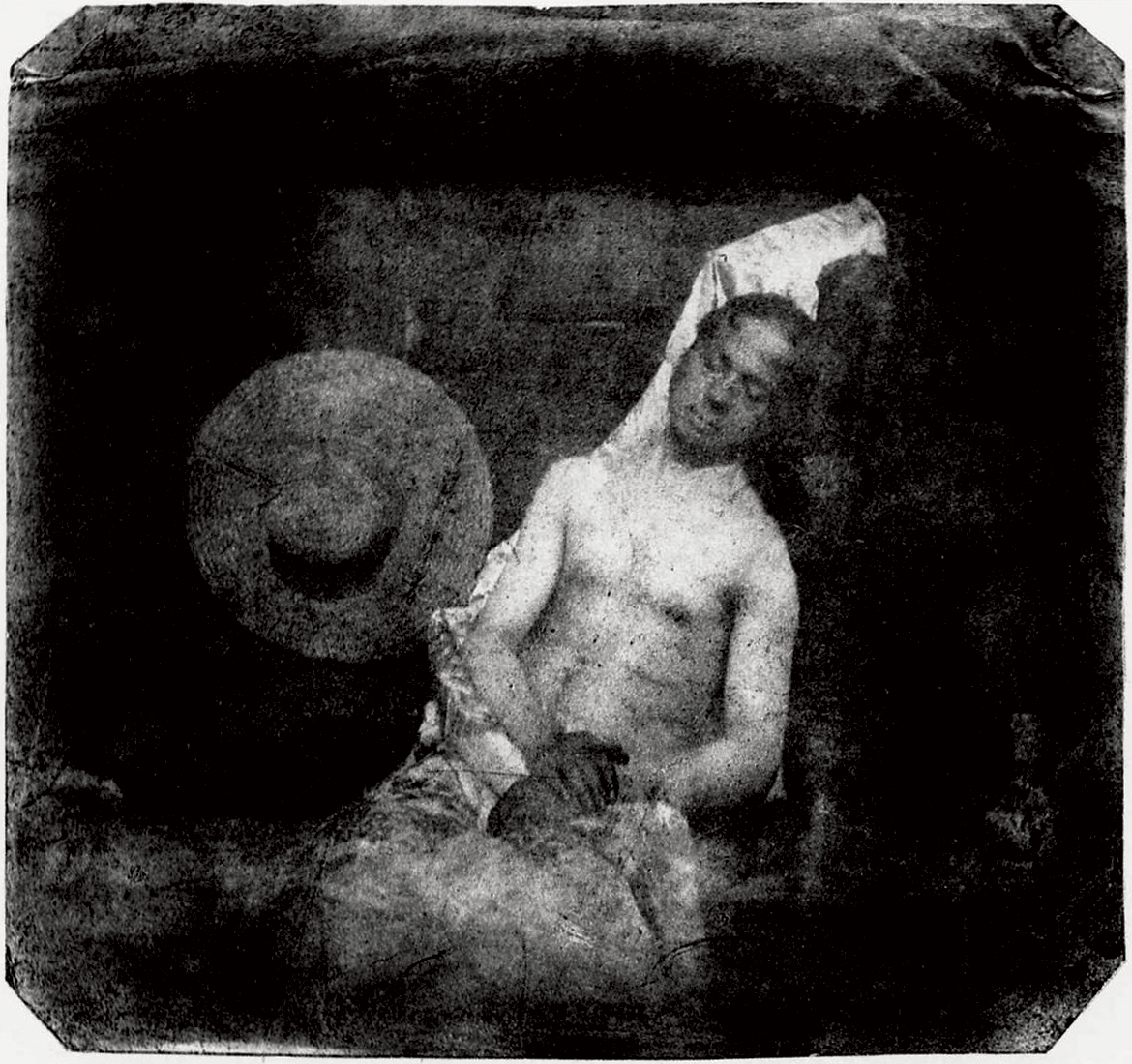
The roots of conceptual photography are intertwined with the very beginnings of the medium, with early photographers like Hippolyte Bayard staging scenes as early as 1840, such as his "Self Portrait as a Drowned Man." However, the term "conceptual photography" gained traction and a distinct identity in the late 1960s, directly influenced by the Conceptual Art movement. Pioneers like Joseph Kosuth, whose "One and Three Chairs" (1965) is a seminal work in conceptual art, laid the groundwork for prioritizing the idea over the object. Photographers began to see the camera as a means to an end, a tool for illustrating an idea rather than simply capturing a moment. This shift marked a departure from earlier photographic traditions that emphasized technical mastery and aesthetic beauty, ushering in an era where the intellectual engagement with the artwork became central. Early exhibitions and writings by artists and critics in the late 1970s and early 1980s helped solidify conceptual photography as a recognized genre, distinct from documentary or portraiture.
⚙️ How It Works
Conceptual photography operates on the principle that the idea behind the image is its primary driver. Unlike traditional photography, which often aims for verisimilitude or aesthetic appeal, conceptual work uses the photographic process to visualize a pre-existing concept. This can involve meticulous staging of scenes, often with symbolic props and carefully chosen models, as seen in the work of Cindy Sherman. Alternatively, artists might employ digital manipulation, collage, or even abstract photographic techniques to represent abstract notions like time, memory, or identity. The technical execution serves the idea; a perfectly sharp, well-lit image might be used to convey a sense of unease, or a deliberately blurred or distorted image might represent fragmentation. The viewer's interpretation and intellectual connection to the conveyed concept are therefore crucial to the artwork's success, moving beyond a passive visual experience to an active cognitive one.
📊 Key Facts & Numbers
The conceptual photography market is difficult to quantify precisely, as it often falls under the broader umbrella of contemporary art sales. However, major auction houses like Sotheby's and Christie's regularly feature works by conceptual photographers, with prices for significant pieces by artists like Andreas Gursky or Jeff Wall reaching into the millions of dollars. For instance, Gursky's "Rhein II" sold for $4.3 million in 2011, making it one of the most expensive photographs ever sold at auction. Exhibitions dedicated to conceptual photography, such as the "Greater New York" survey at MoMA PS1, showcase hundreds of artists, indicating the sheer volume of work produced. The global art market for photography, which includes conceptual works, was estimated to be worth over $1 billion annually in the years leading up to 2020, according to reports from Artprice.
👥 Key People & Organizations
Key figures in conceptual photography include Cindy Sherman, whose self-portraits explore identity and representation, and Jeff Wall, known for his large-scale, cinematic "staged photographs." Andreas Gursky is celebrated for his vast, digitally enhanced landscapes that comment on globalization and consumerism. Joseph Kosuth is a foundational figure from the conceptual art movement whose photographic works directly influenced the genre. Organizations like MoMA PS1 in New York and the Tate Modern in London are significant institutions that collect, exhibit, and promote conceptual photography. Galleries such as Gagosian Gallery and Hauser & Wirth represent many leading conceptual photographers, playing a crucial role in their market and critical reception. The International Center of Photography in New York also offers educational programs and exhibitions that engage with conceptual practices.
🌍 Cultural Impact & Influence
Conceptual photography has profoundly influenced visual culture, extending its reach far beyond the gallery walls. Its emphasis on ideas has permeated advertising, where staged and surreal imagery is used to convey brand messages more effectively than literal depictions. In editorial photography, particularly in fashion and lifestyle magazines, conceptual approaches are common to create evocative narratives. The genre also informs social commentary, with photographers using staged scenarios to critique societal norms, political issues, or cultural phenomena, much like Barbara Cruse did with her work on gender roles. Furthermore, the accessibility of digital tools has democratized the creation of conceptual imagery, allowing a wider range of voices to explore complex ideas visually. This has led to a broader public engagement with art that prioritizes thought and meaning over mere representation, challenging conventional notions of what photography can be.
⚡ Current State & Latest Developments
In 2024 and 2025, conceptual photography continues to evolve, increasingly engaging with themes of artificial intelligence, virtual reality, and the digital self. Artists are exploring how AI can be used as a collaborator or a subject, pushing the boundaries of image creation, as seen in discussions around AI's impact on art at events like Art Basel. The rise of immersive technologies is also inspiring new forms of conceptual work that blend photography with virtual and augmented reality experiences. Furthermore, there's a growing trend of photographers using conceptual approaches to address urgent social and environmental issues, creating powerful visual statements on climate change, migration, and political unrest. The ongoing debate about the authenticity and authorship of AI-generated imagery is also a significant development, directly impacting the discourse around conceptual photography. Exhibitions like "Greater New York 2026" at MoMA PS1 signal continued institutional support for contemporary conceptual practices.
🤔 Controversies & Debates
One of the primary controversies surrounding conceptual photography is the debate over its definition and accessibility. Critics sometimes argue that the emphasis on the idea can lead to work that is overly intellectual, inaccessible to a general audience, or even pretentious, with the photographic skill being secondary. The rise of AI-generated art has intensified discussions about authorship and originality, questioning whether images created or heavily manipulated by algorithms can be considered genuine conceptual photography. Another point of contention is the market value of conceptual photography; some question whether the high prices commanded by certain works are justified by the artistic merit or simply by market speculation and the reputation of the artist or gallery, such as Gagosian Gallery. The potential for conceptual photography to be detached from tangible reality, relying heavily on interpretation, also leads to debates about its objective value and impact.
🔮 Future Outlook & Predictions
The future of conceptual photography appears increasingly intertwined with technological advancements. We can anticipate a greater integration of Virtual Reality and Augmented Reality into photographic practice, creating immersive conceptual experiences that transcend traditional two-dimensional prints. The role of Artificial Intelligence in image creation will likely expand, leading to new forms of collaboration between artists and algorithms, and potentially blurring the lines of authorship further. Expect to see more photographers using conceptual frameworks to tackle complex global issues, such as climate change and social justice, leveraging the medium's power to provoke thought and inspire action. The increasing accessibility of sophisticated digital tools will also likely lead to a broader range of artists exploring conceptual approaches, potentially democratizing the genre even further and diversifying its thematic concerns.
💡 Practical Applications
Conceptual photography finds practical applications across various fields beyond fine art. In advertising and marketing, it's used to create compelling visual narratives that capture attention and convey brand messages, often employing surreal or symbolic imagery. Editorial photography, particularly in magazines focusing on fashion, lifestyle, and culture, frequently utilizes conceptual approaches to evoke moods, tell stories, or make statements. Furthermore, conceptual photography serves as a powerful tool for social and political commentary, enabling artists and activists to visually critique societal issues, raise awareness, and provoke dialogue. Educational institutions like the Rhode Island School of Design incorporate conceptual photography principles into their curriculum, training students to think critically about image-making. Even in fields like scientific illustration, conceptual approaches can be used to visualize complex data or abstract phenomena in more understandable ways.
Key Facts
- Year
- Late 1960s (as a distinct term)
- Origin
- United States (influenced by global conceptual art movement)
- Category
- aesthetics
- Type
- genre
Frequently Asked Questions
What is the main difference between conceptual photography and traditional photography?
The core distinction lies in their primary focus. Traditional photography often prioritizes capturing reality, technical perfection, or aesthetic beauty. Conceptual photography, however, places the underlying idea or concept at the forefront, using the photographic medium as a tool to visualize that idea. The technical execution and visual appeal are secondary to the intellectual message being conveyed, meaning a technically imperfect image might be chosen if it best serves the concept.
Who are some of the most influential conceptual photographers?
Several artists have significantly shaped conceptual photography. Cindy Sherman is renowned for her self-portraits that deconstruct identity and gender roles. Jeff Wall creates large-scale, meticulously staged photographs that resemble cinematic scenes or paintings. Andreas Gursky is known for his vast, often digitally manipulated images that comment on globalization and contemporary society. Joseph Kosuth, though primarily a conceptual artist, laid crucial theoretical groundwork that influenced photographers to prioritize ideas.
How has technology impacted conceptual photography?
Technology has profoundly impacted conceptual photography, particularly with the advent of digital tools. Software like Adobe Photoshop allows for extensive manipulation, enabling artists to create images that would be impossible to capture directly. This democratization of complex visual creation has broadened the scope of what artists can express conceptually. Currently, advancements in AI-generated art and VR are opening new frontiers, prompting debates about authorship and leading to immersive conceptual experiences that challenge the traditional definition of photography.
Is conceptual photography considered fine art?
Yes, conceptual photography is widely considered a significant genre within fine art. It emerged directly from the Conceptual Art movement, which itself is a major force in contemporary art. While it may differ from traditional photographic aesthetics, its emphasis on intellectual engagement, critical commentary, and unique artistic vision aligns it firmly with fine art practices. Institutions like The Museum of Modern Art and Tate Modern collect and exhibit conceptual photography, underscoring its status in the art world.
What are the common criticisms of conceptual photography?
A frequent criticism is that conceptual photography can be overly intellectual or inaccessible to a general audience, with the idea overshadowing any immediate visual appeal. Some critics argue that the technical skill of photography can be de-emphasized to the point where the work relies too heavily on explanatory text or the artist's reputation. The rise of AI in image creation also sparks debate about authenticity and authorship, questioning whether algorithmically generated images truly represent an artist's concept. Additionally, the high market values of some conceptual photographs lead to discussions about speculation versus artistic merit.
Where can I see examples of conceptual photography?
You can experience conceptual photography in various settings. Major art museums with contemporary art collections, such as MoMA PS1, the Tate Modern, and the Centre Pompidou, regularly feature works by conceptual photographers. Leading contemporary art galleries like Gagosian Gallery and Hauser & Wirth represent many artists in this genre. Art fairs like Art Basel and Frieze are also excellent venues to see a wide range of contemporary conceptual work. Online platforms and digital galleries also showcase conceptual photography, making it accessible globally.
What is the future direction for conceptual photography?
The future of conceptual photography is likely to be heavily influenced by emerging technologies. Expect increased integration of VR and AR to create immersive conceptual experiences. AI will continue to be explored as both a tool and a subject, potentially leading to new forms of collaborative art and raising further questions about authorship. Photographers will likely continue to use conceptual approaches to address pressing global issues like climate change and social justice, leveraging the medium's power to provoke thought. The ongoing digital revolution will also likely lead to a broader range of artists engaging with conceptual practices, diversifying its themes and forms.