
Contents
Overview
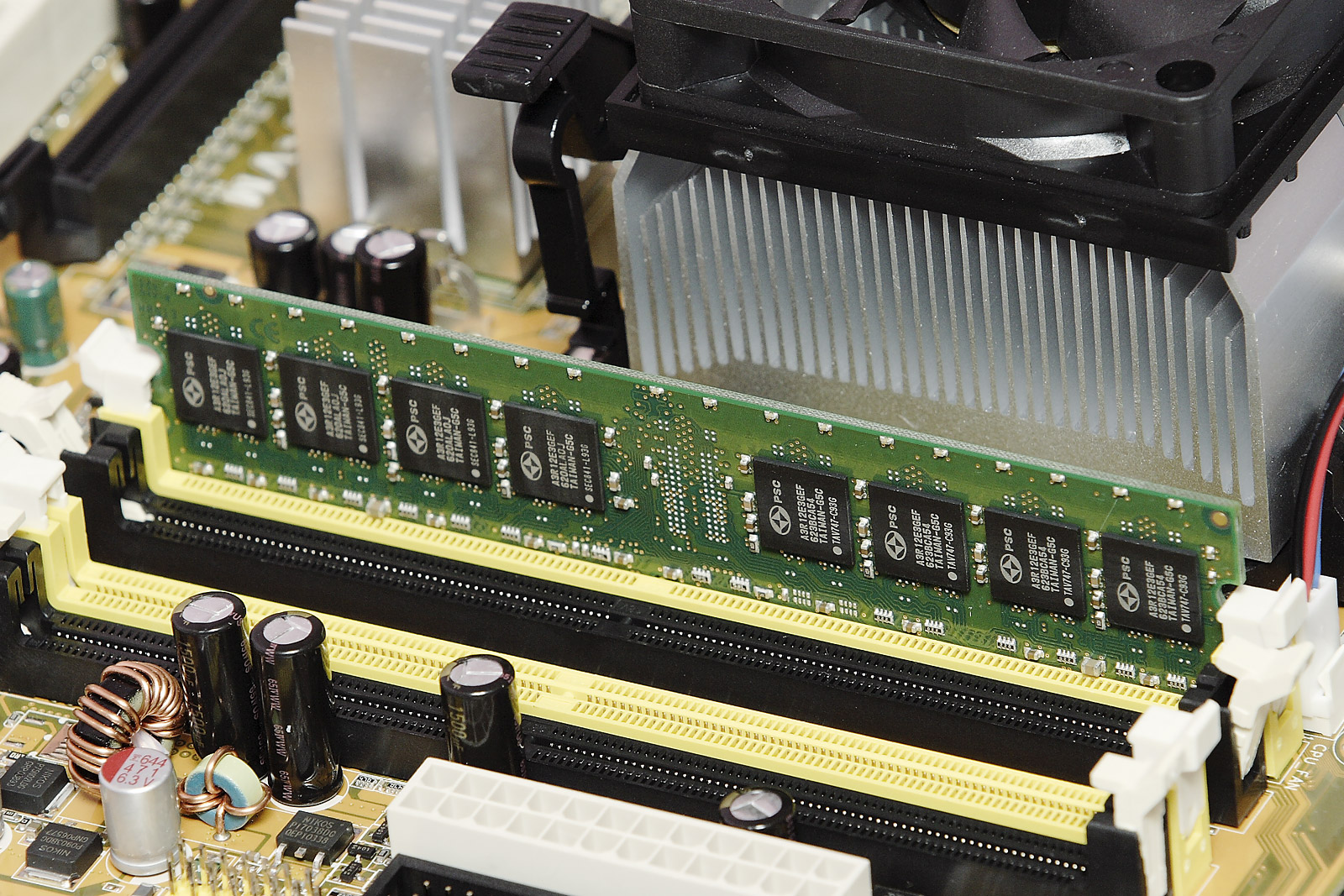
Computer data storage refers to the retention of digital information using various technologies, forming a fundamental pillar of computing. It encompasses a spectrum from high-speed, volatile 'memory' like Random Access Memory to slower, persistent 'storage' devices such as Hard Disk Drives (HDDs) and Solid-State Drives (SSDs). This hierarchy, crucial to architectures like the Von Neumann architecture, dictates how quickly data can be accessed by the CPU. The evolution of storage has been marked by exponential increases in density and speed, alongside dramatic decreases in cost per gigabyte, enabling everything from personal computing to the vast cloud infrastructure that underpins modern digital life. Without reliable data storage, the digital world as we know it would cease to exist.
🎵 Origins & History
The genesis of computer data storage can be traced back to the earliest mechanical calculating devices. Early pioneers like Charles Babbage envisioned mechanical storage for his Analytical Engine, though it was never fully realized. Early electronic computers relied on cumbersome methods like plugboards and paper tape for programming and data input. A significant leap occurred with the development of magnetic drum memory, notably used in the Manchester Mark 1 computer, offering faster access than sequential media. Magnetic core memory dominated main memory until the advent of semiconductor RAM in the 1970s.
⚙️ How It Works
At its core, computer data storage relies on physical media to represent digital information as binary states (0s and 1s). Magnetic storage, like HDDs and magnetic tape, uses magnetized regions on a surface to encode data, read by a magnetic head. Optical storage, such as CD-ROMs and DVDs, uses lasers to read pits and lands on a disc's surface. Flash memory chips, which store data in integrated circuits using floating-gate transistors that trap electrical charges, are used in devices like SSDs and USB flash drives. The speed of access is dictated by the physical mechanism: electronic signals in RAM and SSDs are faster than the mechanical movements required for HDDs or the physical rotation of optical discs. This forms the basis of the memory hierarchy, where faster, more expensive memory is placed closer to the CPU, and slower, cheaper storage resides further away.
📊 Key Facts & Numbers
The sheer scale of data storage is staggering. The cost per gigabyte for SSDs has fallen dramatically, while HDDs can be found for very low prices per gigabyte. Cloud storage services like Amazon Web Services' S3 and Microsoft Azure offer petabytes of storage for enterprise clients at competitive rates. The density of SSDs has increased dramatically, with consumer drives now commonly offering large capacities, and enterprise solutions pushing into the tens of terabytes. Data centers worldwide house vast amounts of storage, with major providers like Google and Meta operating facilities with millions of storage devices.
👥 Key People & Organizations
Pioneers in storage technology include Reynold B. Johnson, often called the 'father of the hard disk drive' for his work at IBM in the 1950s. Toshiba engineers developed early NAND flash memory technology, a cornerstone of modern SSDs and portable storage. Seagate Technology and Western Digital are titans in the HDD market, continually pushing density and capacity. Intel and Samsung Electronics are major players in SSDs and DRAM memory. Amazon Web Services, Microsoft Azure, and Google Cloud dominate the cloud storage landscape, offering vast, scalable storage solutions to businesses and individuals. The Flash Memory Summit is a key industry event where new technologies are often unveiled.
🌍 Cultural Impact & Influence
Computer data storage has profoundly reshaped society, enabling the digital revolution. The ability to store and access vast amounts of information has fueled advancements in artificial intelligence, big data analytics, and scientific research. The proliferation of personal computers and later smartphones made digital storage ubiquitous, transforming communication, entertainment, and commerce. The rise of social media platforms like Facebook and X (formerly Twitter) is entirely dependent on massive, distributed storage systems. Furthermore, the concept of 'digital preservation' has emerged, focusing on long-term archiving of cultural heritage and scientific data, a challenge amplified by the sheer volume and ephemeral nature of digital formats. The ubiquity of storage has also led to new forms of digital art and media consumption, from streaming Netflix to storing entire photo libraries in the cloud.
⚡ Current State & Latest Developments
The current landscape is dominated by the ongoing battle between SSDs and HDDs, with SSDs rapidly gaining market share in consumer and enterprise sectors due to their speed and durability, despite higher costs. NVMe (Non-Volatile Memory Express) protocol is becoming the standard for high-performance SSDs, offering significantly lower latency than older SATA interfaces. Cloud storage continues its relentless growth, with providers constantly innovating in cost reduction, security, and accessibility. Emerging technologies like DNA data storage promise unprecedented density and longevity, though they remain largely experimental. 3D NAND technology, stacking memory cells vertically, is a key driver of current SSD capacity increases. The industry is also grappling with the energy consumption of massive data centers, driving research into more power-efficient storage solutions.
🤔 Controversies & Debates
One of the most persistent debates revolves around the long-term viability and security of different storage media. While SSDs offer speed, concerns persist about their endurance and data retention over decades compared to the perceived stability of HDDs or even magnetic tape for archival purposes. The environmental impact of manufacturing and powering vast data centers is another major point of contention, with critics questioning the sustainability of current consumption levels. Furthermore, the security of data stored, especially in the cloud, remains a significant concern, with ongoing debates about encryption standards, data sovereignty, and the risk of breaches. The obsolescence of older storage formats, like floppy disks and Zip drives, also poses a challenge for accessing legacy data, highlighting the 'digital dark age' problem.
🔮 Future Outlook & Predictions
The future of data storage is likely to be defined by a continued push for higher densities, faster speeds, and lower costs, alongside novel approaches to overcome physical limitations. DNA data storage is a strong contender for ultra-long-term archival, potentially storing exabytes of data in a small volume with lifespans measured in millennia. Holographic data storage and DNA data storage are also being explored for their potential to store data in three dimensions, dramatically increasing density. Quantum computing may eventually necessitate new forms of storage compatible with quantum states. The integration of AI into storage management systems will likely optimize performance, predict failures, and enhance security. Expect a continued shift towards tiered storage, with ultra-fast SSDs for active data, more affordable HDDs for bulk storage, and highly durable, long-term solutions for archives.
💡 Practical Applications
Computer data storage is integral to nearly every aspect of modern technology. SSDs are standard in laptops and desktops, dramatically improving boot times and application loading. HDDs remain cost-effective for mass storage in desktops, servers, and Network Attached Storage (NAS) devices. USB flash drives and SD cards provide portable storage for cameras, smartphones,
Key Facts
- Category
- technology
- Type
- topic