
Contents
Overview
Origins paragraph — Community farmers markets have their roots in ancient civilizations, where farmers would gather to sell their produce in public spaces. The modern concept of farmers markets, however, emerged in the United States in the mid-20th century, with the first market opening in Los Angeles in 1934. The USDA has played a significant role in promoting farmers markets, providing resources and support to help them thrive. Today, community farmers markets can be found in almost every country, with each market reflecting the unique culture and economy of its local community. For example, the Union Square Greenmarket in New York City has been in operation since 1976 and features over 140 local farmers and producers.
⚙️ How It Works
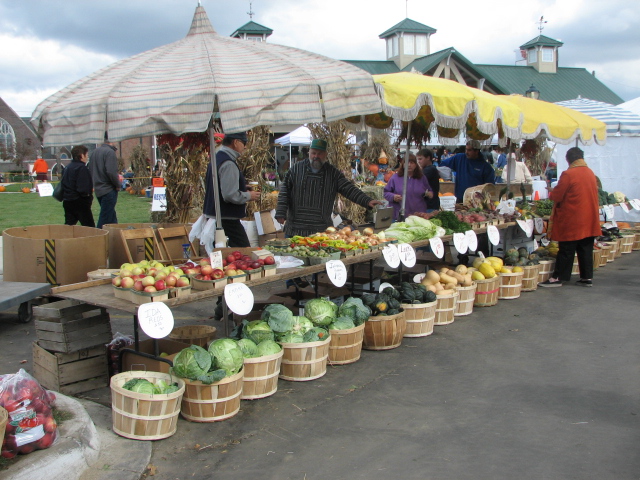
How it works — Community farmers markets typically operate on a weekly or bi-weekly schedule, with participating farmers and vendors setting up stalls to sell their products. These markets often feature a wide range of products, including fresh produce, meats, dairy products, baked goods, and handmade crafts. Many markets also offer additional services, such as cooking demonstrations, nutrition workshops, and community events. The National Farmers Market Directory provides a comprehensive list of farmers markets across the United States, making it easier for consumers to find and support local markets. To ensure the quality and authenticity of products, many markets have implemented strict guidelines and regulations, such as the Certified Farmers Market program in California.
📊 Key Facts & Numbers
Key facts — The number of community farmers markets in the United States has grown significantly over the past few decades. According to the USDA, there were over 8,140 farmers markets in 2019. These markets play a critical role in supporting local economies and promoting sustainable agriculture practices. The Farmers Market Promotion Program has also played a significant role in supporting the growth of farmers markets in the United States.
👥 Key People & Organizations
Key people — Community farmers markets rely on the dedication and hard work of local farmers, vendors, and community leaders. Key individuals, such as Willie Nelson, have played a significant role in promoting the importance of sustainable agriculture and supporting local farmers markets. Organizations, such as the Farmers Market Coalition and the National Farmers Union, also provide critical support and resources to help community farmers markets thrive.
🌍 Cultural Impact & Influence
Cultural impact — Community farmers markets have a profound impact on local culture and community spirit. They provide a platform for farmers to connect with consumers, fostering a sense of community and social connection. These markets also play a critical role in preserving agricultural heritage and promoting sustainable agriculture practices. By supporting local farmers and vendors, community farmers markets help to revitalize local economies and promote food security. For instance, the Pike Place Market in Seattle has become a beloved institution, attracting millions of visitors each year and generating significant economic activity for the local community.
⚡ Current State & Latest Developments
Current state — The COVID-19 pandemic has presented significant challenges to community farmers markets, with many markets forced to adapt to new safety protocols and regulations. Despite these challenges, many markets have continued to thrive, with some even experiencing increased sales and customer engagement. The USDA has provided critical support to farmers markets during this time, offering resources and guidance to help them navigate the pandemic.
🤔 Controversies & Debates
Controversies — Community farmers markets are not without controversy, with some critics arguing that they can be elitist and inaccessible to low-income communities. Others have raised concerns about the environmental impact of farmers markets, particularly in terms of transportation and packaging. However, many markets are working to address these concerns, implementing initiatives such as SNAP programs and sustainable packaging practices.
🔮 Future Outlook & Predictions
Future outlook — The future of community farmers markets looks bright, with many experts predicting continued growth and expansion. As consumers become increasingly interested in sustainable and locally sourced products, community farmers markets are well-positioned to meet this demand. However, markets will need to continue to adapt to changing consumer preferences and regulatory environments in order to remain relevant and viable.
💡 Practical Applications
Practical applications — Community farmers markets have a wide range of practical applications, from providing fresh and healthy produce to supporting local economies. They also offer a platform for community engagement and social connection, helping to build stronger and more resilient communities. By supporting local farmers and vendors, consumers can help to promote sustainable agriculture practices and preserve agricultural heritage.
Key Facts
- Category
- culture
- Type
- concept