
Contents
Overview
The cacao tree, native to the Amazon rainforest, was first domesticated by the Mayo-Chinchipe culture at least 5,300 years ago. This early domestication marked the beginning of a long history of cocoa bean cultivation and trade, with the beans being used as a common currency in Mesoamerica and consumed in spiritual ceremonies. The Olmec civilization and Mayans also played significant roles in the early history of cocoa, using it in their rituals and as a form of exchange.
🌴 How It Works
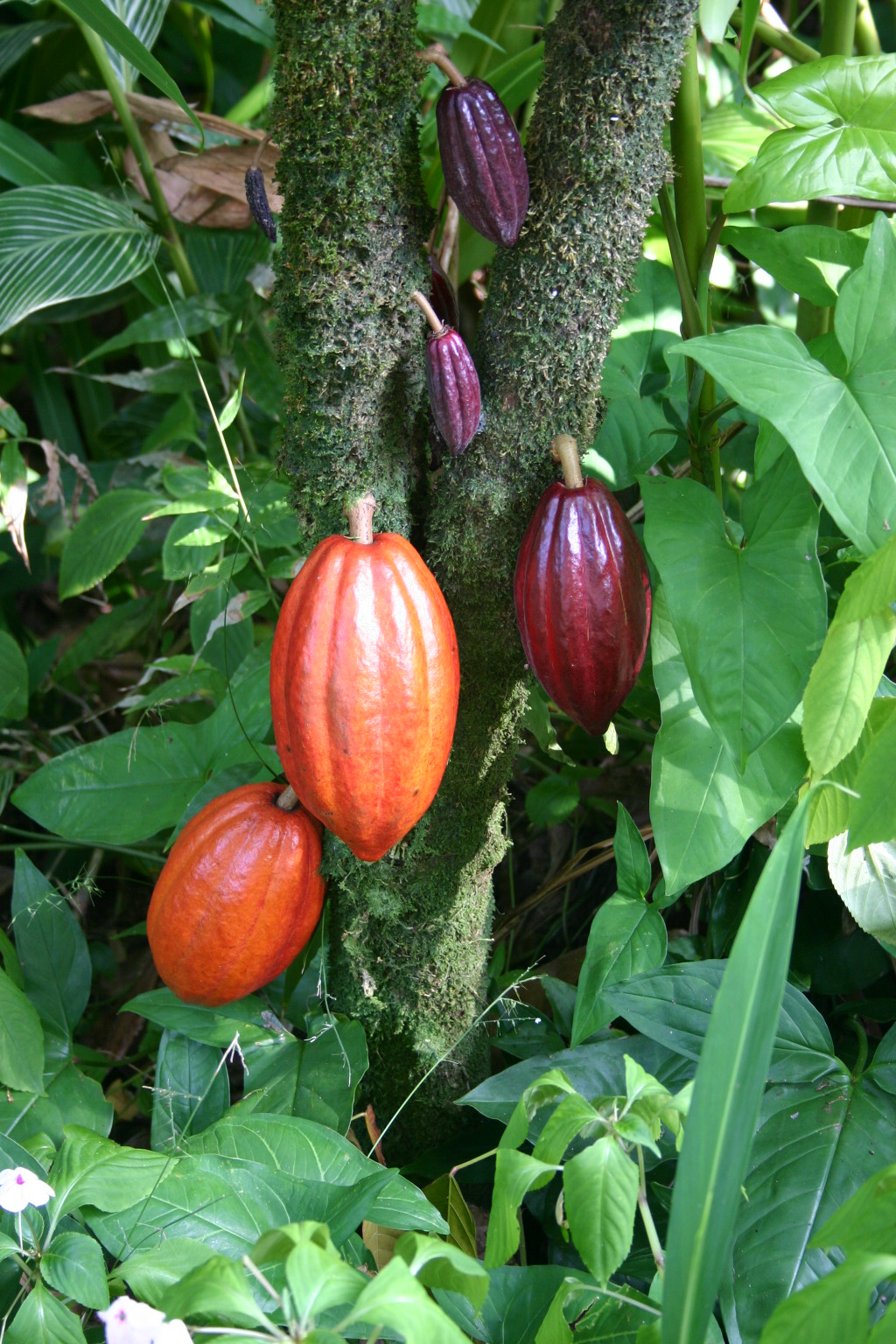
The process of cultivating and harvesting cocoa beans is complex and labor-intensive. Cacao trees require a specific geographical zone to thrive, and the three main varieties of cocoa plants - Forastero, Criollo, and Trinitario - each have their unique characteristics. Forastero, being the most widely used, accounts for the majority of global cocoa production. Companies like Mars, Inc. and Nestle rely heavily on cocoa beans from regions like West Africa, where the Ivory Coast leads in production, accounting for 38% of the world's total.
🌎 Cultural Impact
The cultural impact of the cocoa crop extends far beyond its role in chocolate production. In many indigenous cultures, cacao beans hold spiritual significance, and their use in ceremonies and rituals is still practiced today. The tejate, an indigenous Mexican drink, is a prime example of the crop's cultural importance. Furthermore, the economic impact of cocoa production is substantial, with many communities in Ghana and Ivory Coast relying on the crop as a primary source of income. Organizations like the World Cocoa Foundation work to support sustainable cocoa farming practices and improve the lives of cocoa farmers.
📊 Legacy & Future
As the global demand for chocolate continues to rise, the future of the cocoa crop is uncertain. With the Ivory Coast producing 38% of the world's cocoa beans, the country's agricultural practices and environmental policies will play a crucial role in determining the crop's legacy. Efforts to promote sustainable cocoa production, such as those led by Fairtrade International and Rainforest Alliance, aim to ensure the long-term viability of the crop while supporting the well-being of cocoa farmers and their communities. The impact of climate change on cocoa production is also a pressing concern, with many experts warning of potential shortages and increased prices.
Key Facts
- Year
- 2024
- Origin
- South America
- Category
- nature
- Type
- concept
Frequently Asked Questions
What is the history of cocoa bean domestication?
The cacao tree was first domesticated at least 5,300 years ago by the Mayo-Chinchipe culture in South America. This marked the beginning of a long history of cocoa bean cultivation and trade, with the beans being used as a common currency in Mesoamerica and consumed in spiritual ceremonies. The Olmec civilization and Mayans also played significant roles in the early history of cocoa, using it in their rituals and as a form of exchange.
What are the main varieties of cocoa plants?
The three main varieties of cocoa plants are Forastero, Criollo, and Trinitario, with Forastero being the most widely used. Forastero accounts for the majority of global cocoa production, while Criollo and Trinitario are prized for their unique flavor profiles and are often used in high-end chocolate production.
What is the cultural significance of the cocoa crop?
The cocoa crop holds significant cultural and spiritual importance in many indigenous cultures. Cacao beans have been used in spiritual ceremonies and rituals for centuries, and their use continues to be an important part of many cultural practices today. The tejate, an indigenous Mexican drink, is a prime example of the crop's cultural importance.
What are the challenges facing the cocoa industry?
The cocoa industry faces several challenges, including the impact of climate change on cocoa production, the need for sustainable cocoa farming practices, and the importance of supporting the well-being of cocoa farmers and their communities. Efforts to promote sustainable cocoa production, such as those led by Fairtrade International and Rainforest Alliance, aim to ensure the long-term viability of the crop while supporting the well-being of cocoa farmers and their communities.
What is the future of the cocoa crop?
The future of the cocoa crop is uncertain, with the Ivory Coast producing 38% of the world's cocoa beans. The country's agricultural practices and environmental policies will play a crucial role in determining the crop's legacy. Efforts to promote sustainable cocoa production and support the well-being of cocoa farmers and their communities will be essential in ensuring the long-term viability of the crop.