
Contents
Overview
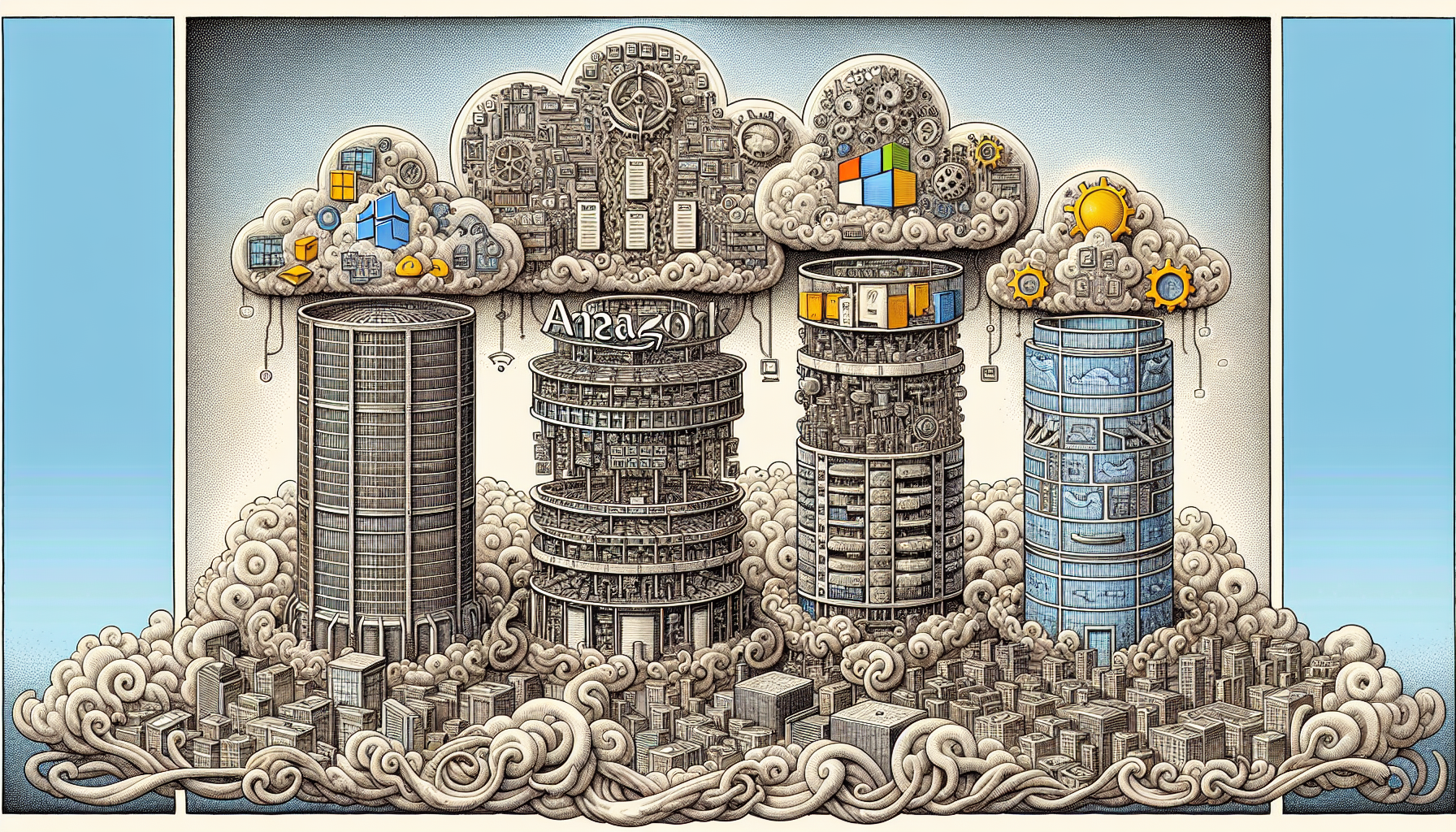
Cloud architecture is a critical aspect of modern computing, as it enables organizations to build and deploy applications quickly and efficiently. According to a report by Gartner, the global cloud market is expected to reach $354 billion by 2025. Companies like Amazon Web Services, Microsoft Azure, and Google Cloud Platform offer a range of cloud services, including infrastructure as a service (IaaS), platform as a service (PaaS), and software as a service (SaaS). Experts like Werner Vogels, VP and CTO of Amazon, and Satya Nadella, CEO of Microsoft, have emphasized the importance of cloud architecture in driving business innovation and growth.
🔩 Cloud Service Models
Cloud service models are a key component of cloud architecture, as they define the level of control and management that users have over their cloud resources. IaaS providers like DigitalOcean and Linode offer users complete control over their infrastructure, while PaaS providers like Heroku and Google App Engine provide a managed platform for application development. SaaS providers like Salesforce and Dropbox offer software applications over the internet, eliminating the need for users to manage infrastructure or platforms. Researchers like David Patterson and Armando Fox have developed new cloud service models, such as serverless computing, which are changing the way we think about cloud architecture.
📈 Scalability and Performance
Scalability and performance are critical considerations in cloud architecture, as they enable organizations to handle large volumes of traffic and data. Companies like Netflix and Airbnb use cloud-based systems to deliver their services to millions of users, and they rely on cloud architecture to ensure that their systems are scalable and performant. Technologies like load balancing, auto-scaling, and content delivery networks (CDNs) are used to improve the performance and availability of cloud-based systems. Experts like Martin Fowler and Randy Shoup have developed new techniques for designing scalable and performant cloud systems, and their work has been influential in shaping the field of cloud architecture.
🔒 Security and Compliance
Security and compliance are also essential considerations in cloud architecture, as they enable organizations to protect their data and applications from unauthorized access and other security threats. Companies like Google and Microsoft have developed robust security controls and compliance frameworks to ensure that their cloud services meet the highest standards of security and compliance. Technologies like encryption, firewalls, and access controls are used to protect cloud-based systems and data. Researchers like Bruce Schneier and Whitfield Diffie have developed new security protocols and techniques, such as homomorphic encryption and secure multi-party computation, which are being used to improve the security of cloud-based systems.
Key Facts
- Year
- 2006
- Origin
- United States
- Category
- technology
- Type
- concept
Frequently Asked Questions
What is cloud architecture?
Cloud architecture refers to the design and structure of cloud computing systems, including the relationships between different components and services.
What are the benefits of cloud architecture?
The benefits of cloud architecture include scalability, flexibility, and cost savings.
What are the different types of cloud service models?
The different types of cloud service models include IaaS, PaaS, and SaaS.
What are the security considerations in cloud architecture?
The security considerations in cloud architecture include data encryption, access controls, and network security.
What are the best practices for designing cloud architecture?
The best practices for designing cloud architecture include designing for scalability, using automation tools, and implementing robust security controls.